




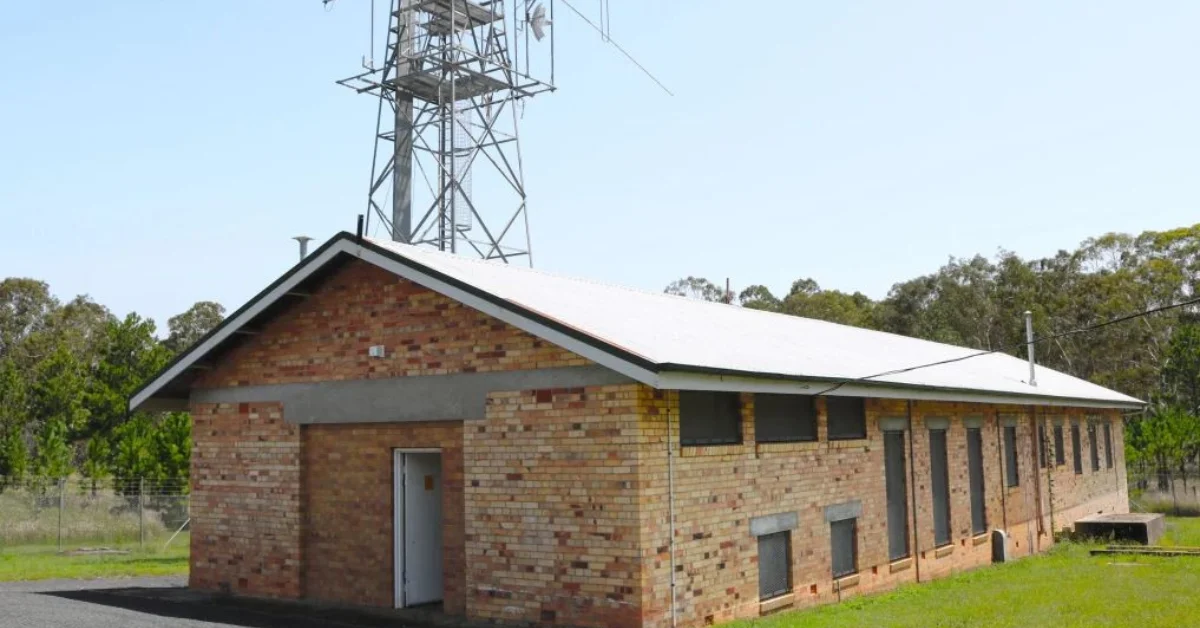
A former World War II radio receiving station in Birkdale operated as a major communications hub during the conflict, supporting Allied command networks across the South West Pacific.
World War II Radio Receiving Station In Birkdale
A former World War II radio receiving station in Birkdale played a critical role in Allied military communications across the South West Pacific, operating as one of the region’s most important listening and relay facilities.
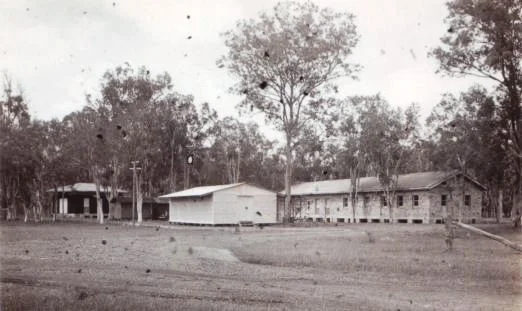
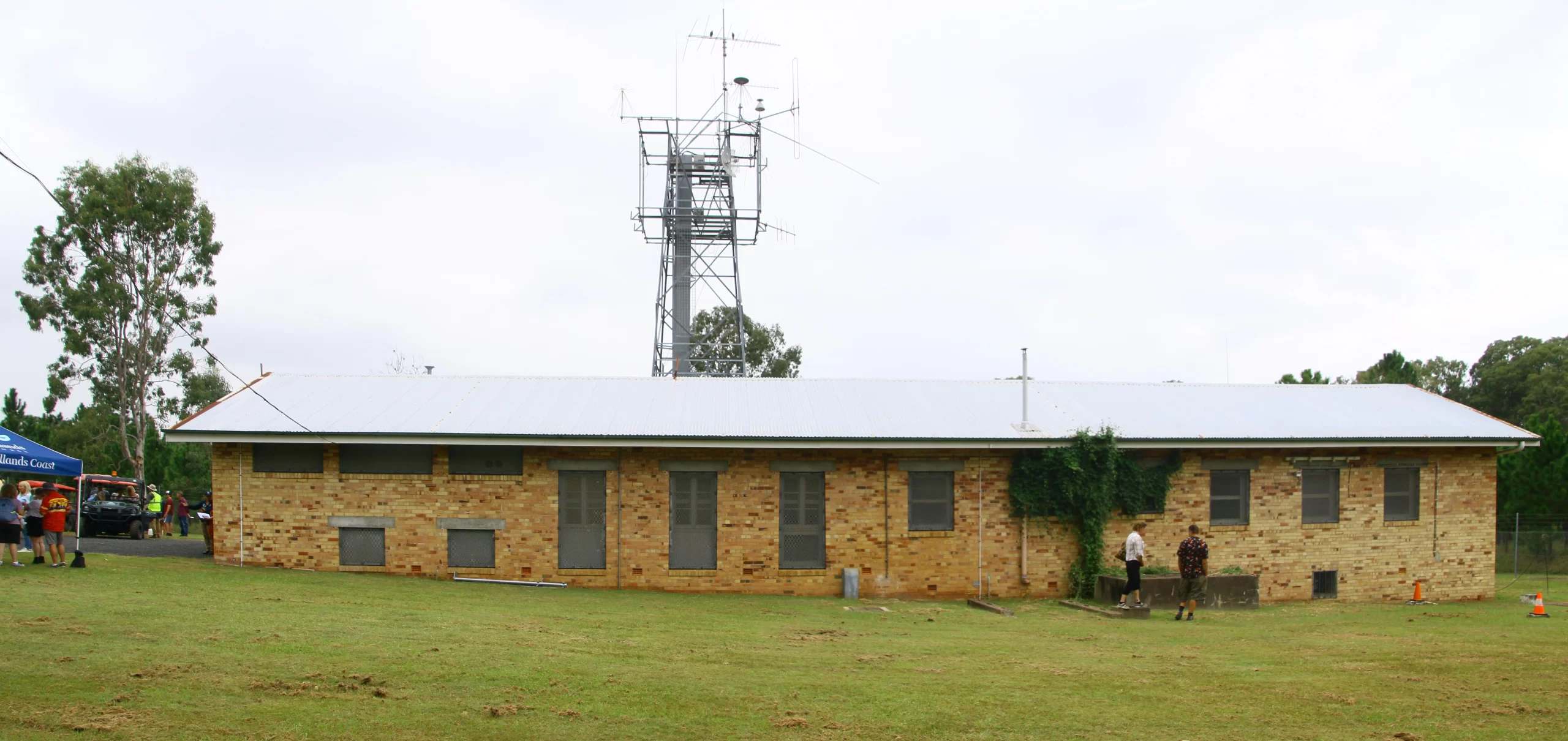
Located off Old Cleveland Road East, the site was built between 1942 and early 1943 by the US Army Signal Corps. Known during the war as the Capalaba Receiving Station, it functioned as a key communications link between Allied command centres and the United States via San Francisco.
Strategic Role In Allied Communications
The station serviced the entire South West Pacific Area, handling multiple teletype and radio telegraph circuits connecting command locations across the region. Its position within a layered communications network ensured messages could continue flowing even if other facilities were damaged or disrupted.
Signals received at the Birkdale site were relayed by secure cable links to Brisbane, supporting rapid decision-making during military operations.
Purpose-Built For Long-Range Interception
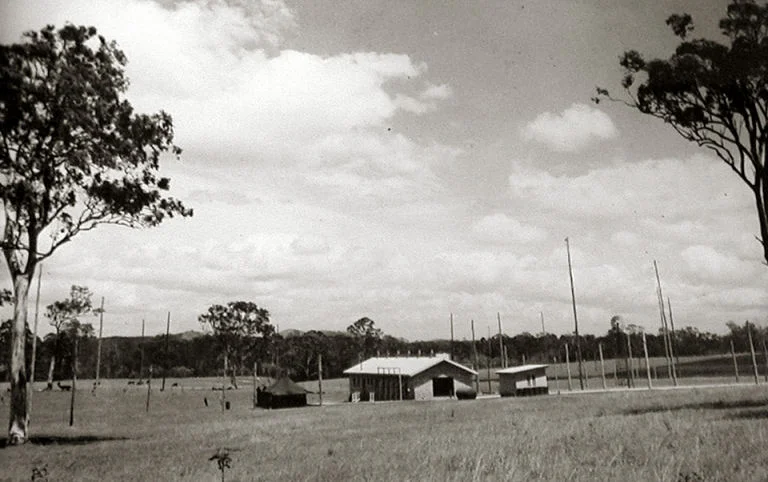
During World War II, radio interception was essential to intelligence gathering. Large, direction-based antenna systems were required to determine the origin and direction of transmissions, necessitating isolated sites away from electrical interference.
The station was established on Willards Farm, later known as Cotton Farm, selected for its terrain and radio reception qualities. The land was acquired to allow construction of a purpose-built facility capable of supporting multiple antenna arrays.
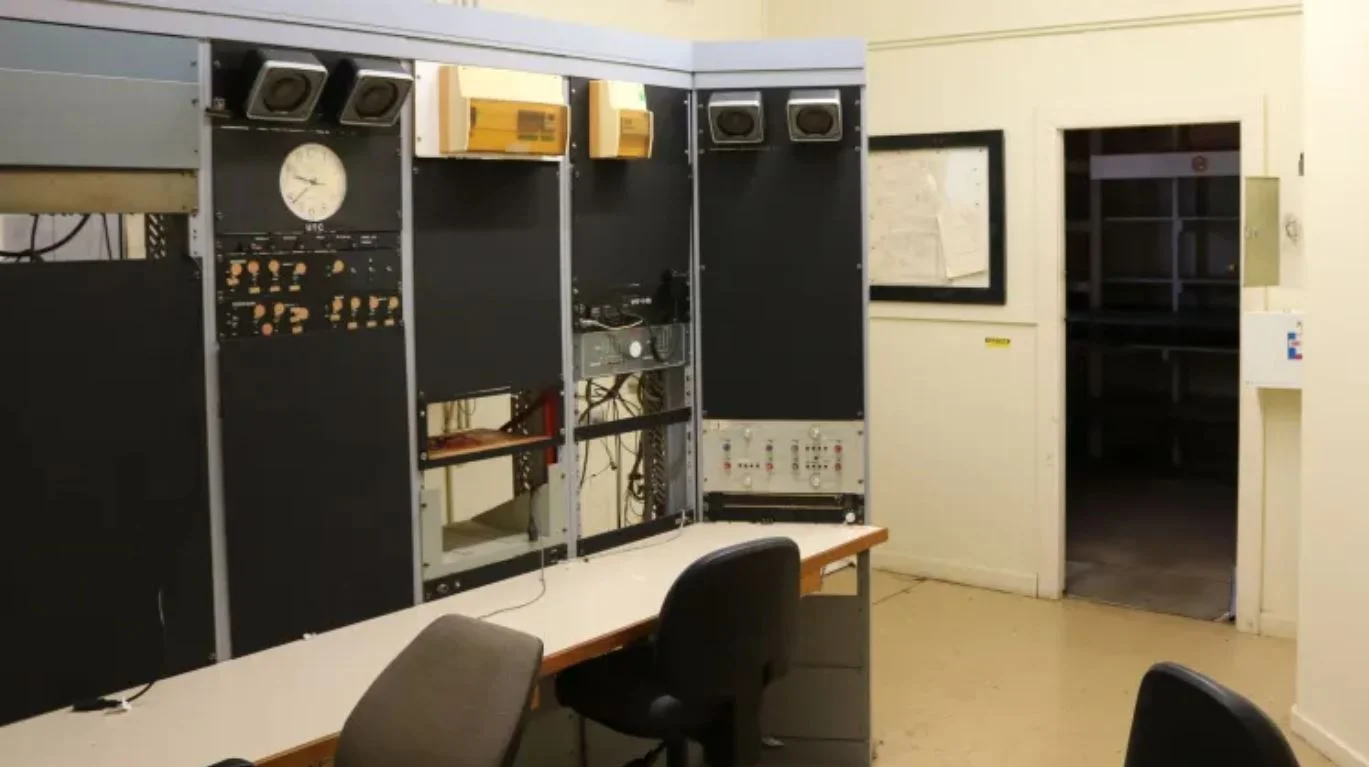
Inside the building, radio equipment once lined much of the interior. Records confirm the use of the CW3-D Radio Receiver Assembly OA-59/FRC, a crystal-controlled, fixed-frequency receiver designed for long-range communications. These receivers operated with matched rhombic antenna arrays, a configuration critical to signal reliability.
Secure Communications And SIGSALY
The Birkdale station also supported the SIGSALY system, an advanced digital speech encryption network used for high-level Allied communications. This system enabled secure voice contact between Brisbane and overseas command centres and remained uncompromised throughout the war.
Post-War Transition And Heritage Status
By January 1946, preparations were underway for the US Army to withdraw from the site. After negotiations regarding repairs and acquisition, the final evacuation occurred at midnight on 30 November 1946, when the station transferred to the Postmaster-General’s Department.
One complete rhombic antenna remains on the site. The former receiving station was added to the Queensland Heritage Register on 26 June 2020, recognising its intact structures and its role in wartime intelligence and communications in Birkdale.
Published 6-Jan-2026
Photo Credit: The Ram/Radschool Association Inc