



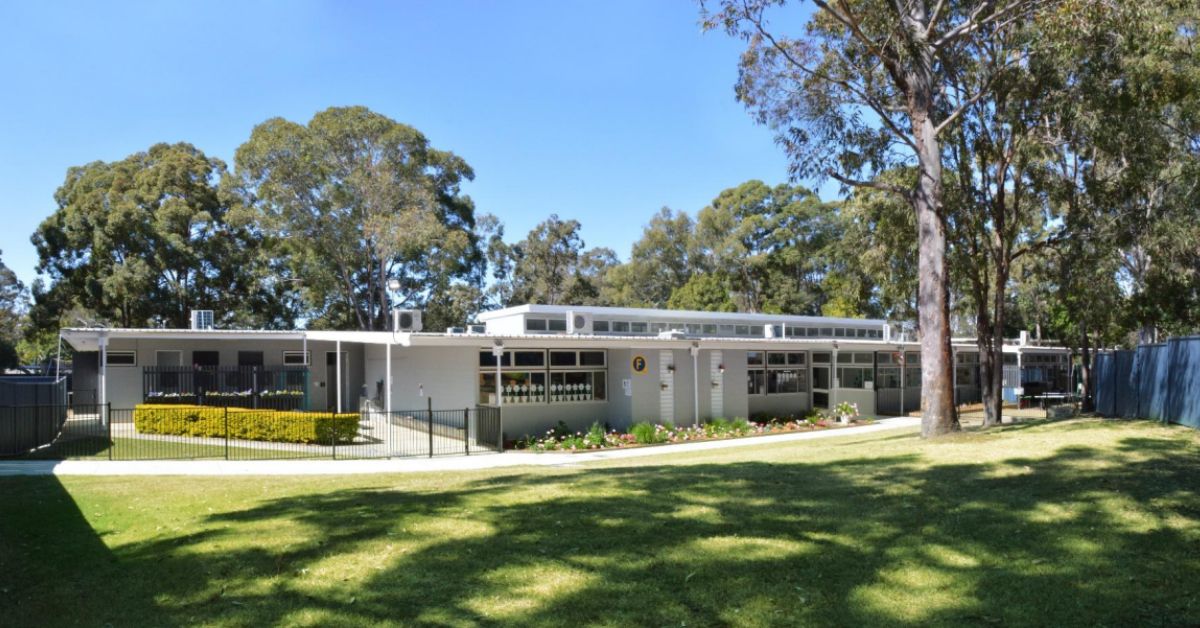
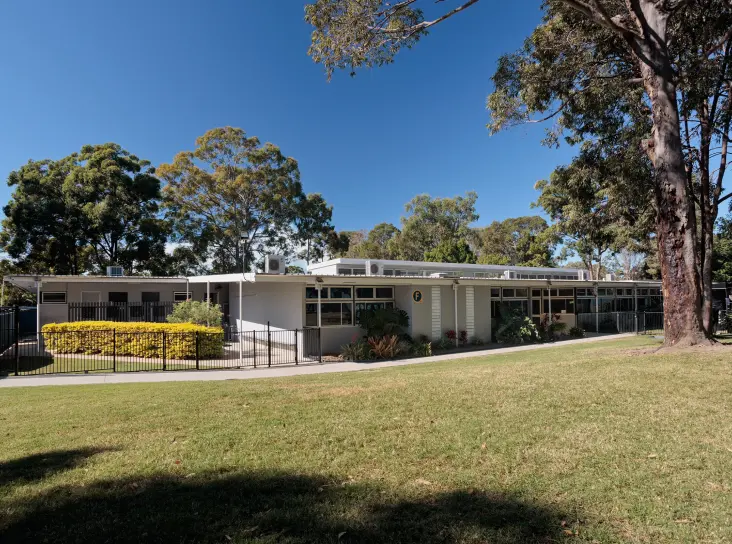
The Sycamore School in Alexandra Hills, a specialist educational facility for autistic young people that serves nearly 100 students from Prep to Year 10, has secured its future under a new 25-year lease agreement with a five-year option to extend, providing families across the Redlands and beyond a 30-year runway of certainty.
For Raeleigh Kemp, the news hit differently than most. Her 11-year-old son Zane is autistic, and the Sycamore School has transformed his life in ways she still finds difficult to fully articulate. He runs to the school gates now. He cries on the days he is too sick to go.
It was not always that way.
“He was just finding it harder and harder as he got older,” Kemp said. “The pressures increased, the supports were different and the cognitive load just got too much. And he ended up being in autistic shutdown, really.”
She describes a period when Zane could not make eye contact or hold a conversation with her. After school, he would sprint to the car and break down. Finding The Sycamore School changed the trajectory of his childhood.
“Honestly, I don’t know where we’d be if we didn’t get into Sycamore,” she said. “One hundred per cent, his life has changed. His social skills have improved, his ability to advocate for himself has improved, but it’s also been life-changing for us.”
A school so sought-after, families drive 50 kilometres to get there
The Sycamore School sits on a quiet street in Alexandra Hills in the Redlands, but its reach extends far beyond the local area. Some families drive close to 50 kilometres each way to bring their children here, drawn by a teaching philosophy built entirely around how autistic young people learn, communicate and experience the world.
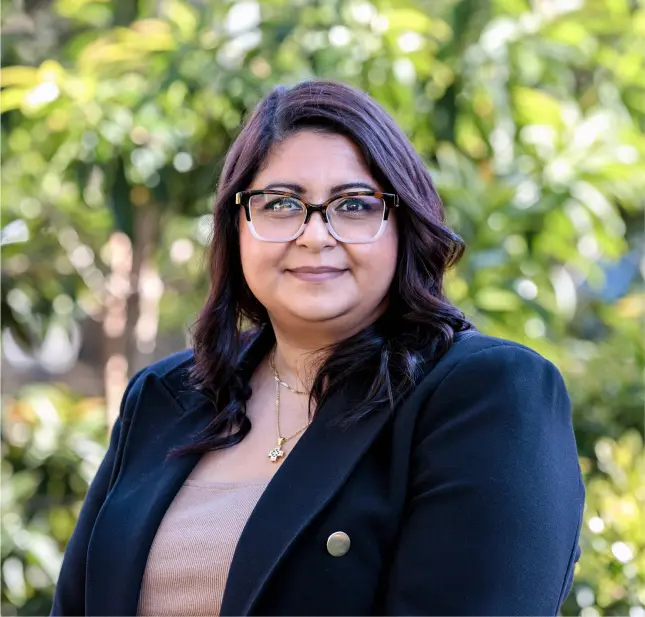
Founded by Cindy Corrie, the school takes a neuroaffirmative approach that centres on each student’s needs rather than expecting students to adapt to a conventional school environment. The result is a community that autistic children actively want to be part of, something that can be genuinely rare for families who have watched their kids struggle and mask their way through mainstream schooling.
For Year 4 student Max Denner, the difference is simple. “If I need a break, I can have it when I need,” he said. “I can let my feelings out if I’m sad or upset.”
His mother Heidi Denner, who was herself diagnosed as autistic later in life, said the school reshaped her understanding of what education could look like. “Ultimately, it’s about our children being in a place that doesn’t expect them to be something other than who they are,” she said.
“Autism isn’t something to be changed. It’s been something that has opened my eyes to how much of my life I’ve masked and fit the box, and actually we need to obliterate the box.”
Uncertainty that unsettled an entire community
Despite that reputation, The Sycamore School spent much of the past year in a genuinely precarious position. Its lease was due to expire in October 2025, and with no long-term arrangement confirmed, families faced the real possibility that the school might not survive in its current form. The school has been operating on a temporary lease arrangement since October while new terms were negotiated.
For Kemp, the thought of telling Zane his school was closing was something she could not bring herself to fully consider.
“It would have been terrible,” she said. “Terrible for him because he’s found a community, he’s found friends and people that he trusts, and the thought of them not being around is horrifying to me.”
A 25-year lease changes everything
The 25-year lease now in place does more than preserve the school’s physical address. It changes what the school can plan for, build toward and apply for. Long-term lease security is a prerequisite for capital grants, which the school needs to continue developing and improving its facilities.
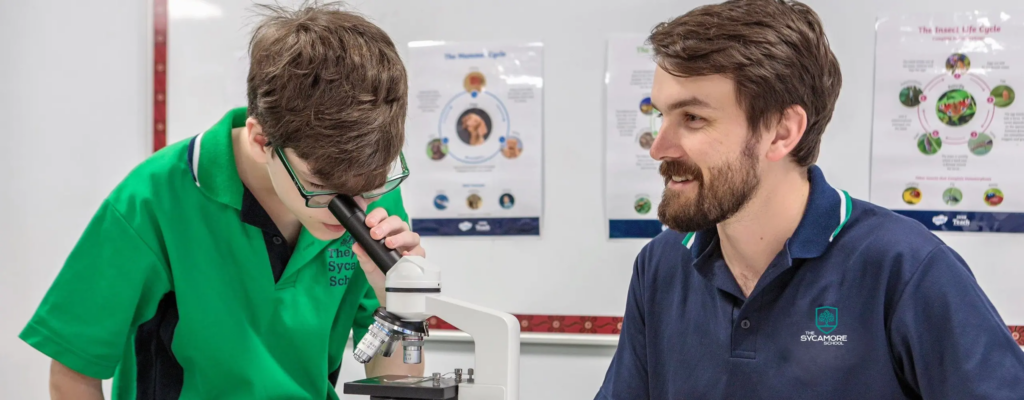
Corrie said the certainty would ripple through the entire autism community, not just current enrolments. “Today’s announcement is going to put a lot of confidence into families, but also into the wider autism community,” she said. “Every child in this country deserves to be in a positive school environment. It’s really important that we can now grow, and we can have that certainty in the long run.”
The school’s future also sits within a broader conversation about how Queensland educates autistic children. A disability royal commission issued recommendations divided on the role of specialist schools, with half of the commissioners recommending a gradual phase-out of dedicated special schools by 2051.
The commission’s other half did not support that recommendation. Queensland’s commitment to building seven new special schools in the south-east reflects a policy position that specialist settings remain an essential part of the educational landscape for many autistic students and their families.
Kemp put it plainly. “There needs to be more of them,” she said. “Knowing the school would be around for generations is incredible.”
Finding The Sycamore School
The Sycamore School is located in Alexandra Hills in the Redlands. For enrolment enquiries and further information about the school’s programmes, visit the school’s website directly.
Families considering specialist education for autistic children can also contact the school to learn more about what the Sycamore approach involves and whether a placement may be suitable.
Published 18-June-2026
Featured Image Credit: The Sycamore School