Breast Cancer Awareness Documentary Screening in Capalaba

Redlands residents will be able to see Conquering Breast Cancer on the big screen when the documentary arrives at Event Cinemas Capalaba. The Australian production highlights both the progress made in breast cancer treatment and the work still needed to improve outcomes for patients.


Presented beginning 10 June by filmmaker Sue Collins and produced by impact filmmakers Mike Hill and Sue Collins, the feature-length documentary combines expert medical insight with the personal experiences of survivors, advocates and researchers working to reduce the impact of breast cancer in Australia.

Among those featured are Olympic legend and breast cancer advocate Raelene Boyle AM, MBE, First Nations survivor and mountaineer Kristal Kinsela, male breast cancer survivor and former professional basketballer Paul Maley, and podcaster Dr Charlotte Tottman. The film also includes insights from leading experts including Professor Bruce Mann, Professor Kelly-Anne Phillips and Associate Professor Christine Chaffer.

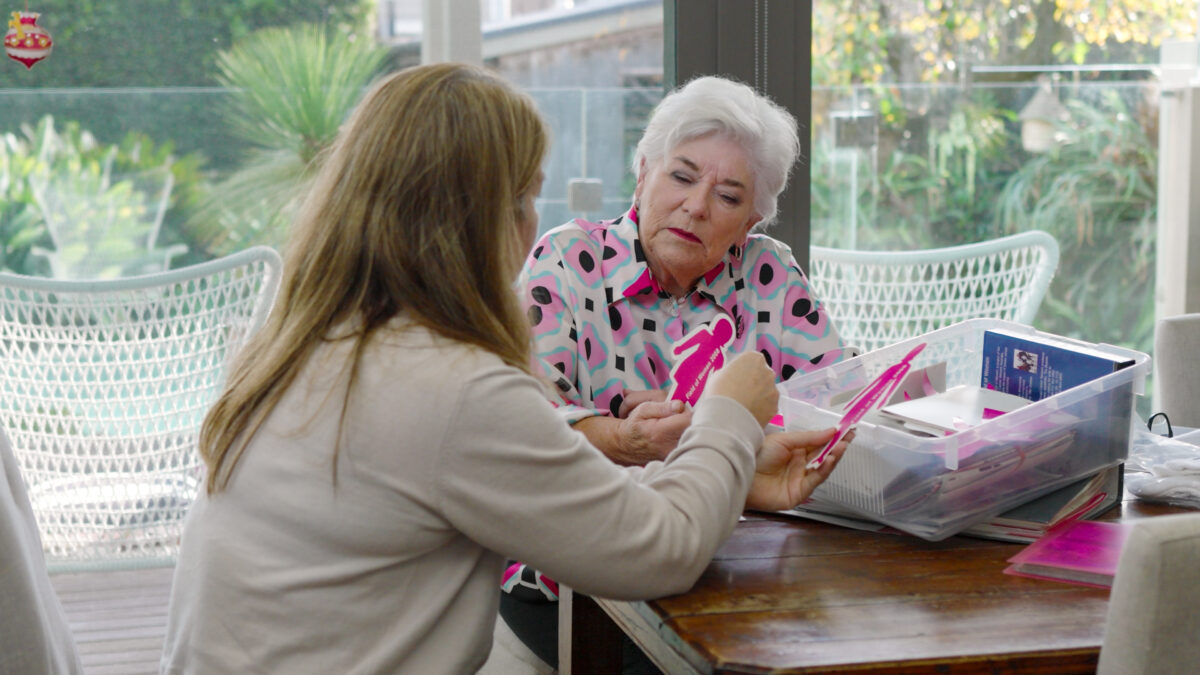
conquering breast cancer documentary
Photo Credit: Supplied

More Than 20,000 Australians Diagnosed Every Year

Breast cancer remains the most common cancer among Australian women and the second most commonly diagnosed cancer overall.

According to the National Breast Cancer Foundation, more than 20,000 Australians are diagnosed with breast cancer each year. Around 56 people receive a diagnosis every day, while more than 3,300 Australians lose their lives to the disease annually — the equivalent of approximately nine deaths every day.

While the majority of cases occur in women over 50, breast cancer also affects younger Australians. Around 1,000 women under the age of 40 are diagnosed each year, highlighting the importance of awareness and early detection across all age groups.

The Survivors, Advocates and Experts Behind the Film

Rather than focusing solely on statistics, Conquering Breast Cancer tells the stories of Australians whose lives have been changed by the disease.

The documentary follows survivors, patient advocates and researchers from across the country, exploring everything from diagnosis and treatment to survivorship, recurrence, genetic risk and the emotional impact breast cancer can have on individuals and families.

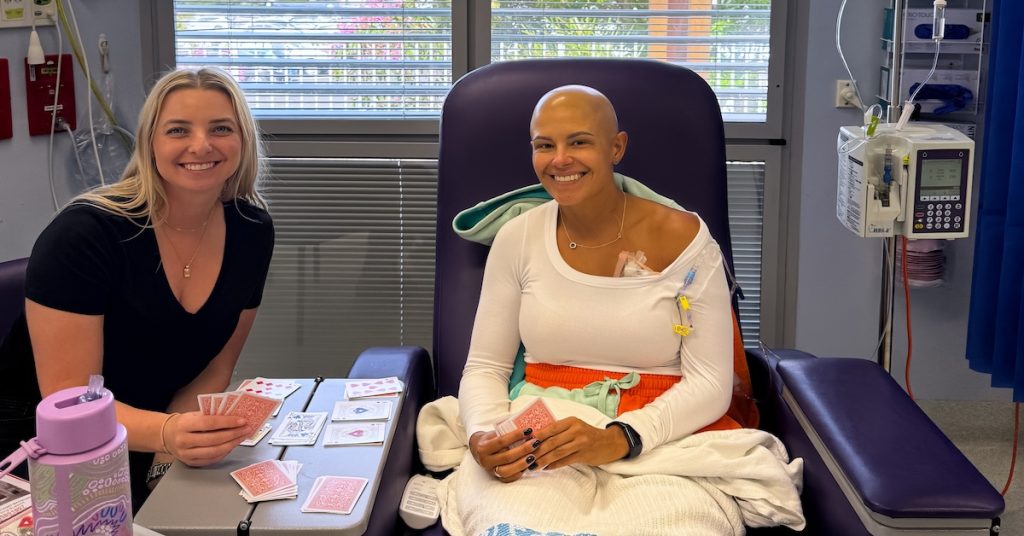
breast cancer patient
Photo Credit: Supplied

The film also highlights the experiences of people living with metastatic breast cancer, as well as Australians making difficult decisions around preventative treatment after discovering they are at high genetic risk of developing the disease.

Early Detection Remains One of the Strongest Defences

A central theme throughout the documentary is the importance of prevention and early detection.

Medical experts featured in the film discuss advances in screening technologies, personalised risk assessment, targeted therapies and clinical trials that are helping improve outcomes for patients.

While Australia has achieved five-year survival rates of more than 90 per cent, the filmmakers argue that breast cancer is far from solved and that ongoing investment in research, screening programs and access to treatment remains essential.

The documentary also examines how researchers are working towards reducing recurrence rates and improving long-term outcomes for those who have already undergone treatment.

researchers working on breast cancer improvements
Photo Credit: Supplied

The Growing Impact on Australian Families and Communities

Beyond the personal toll, breast cancer continues to have a significant impact on communities across Australia.

More than 160,000 Australians are currently living after receiving a breast cancer diagnosis within the past decade. Research has also shown the disease carries substantial social and economic costs, affecting workforce participation, family wellbeing and quality of life.

breast cancer warriors and supporters
Photo Credit: Supplied

The filmmakers hope the documentary will encourage more Australians to understand their personal risk, participate in recommended screening programs and support ongoing efforts to improve prevention, treatment and research.

As the third instalment in the Conquering Cancer documentary series, Conquering Breast Cancer aims to start conversations, challenge complacency and highlight both the progress that has been made and the work that still lies ahead.


For more information and session times, visit ConqueringBreastCancer.com.au.

Published 9-June-2026

189 New Homes Planned for Redland Bay as Block Sizes Continue to Shrink

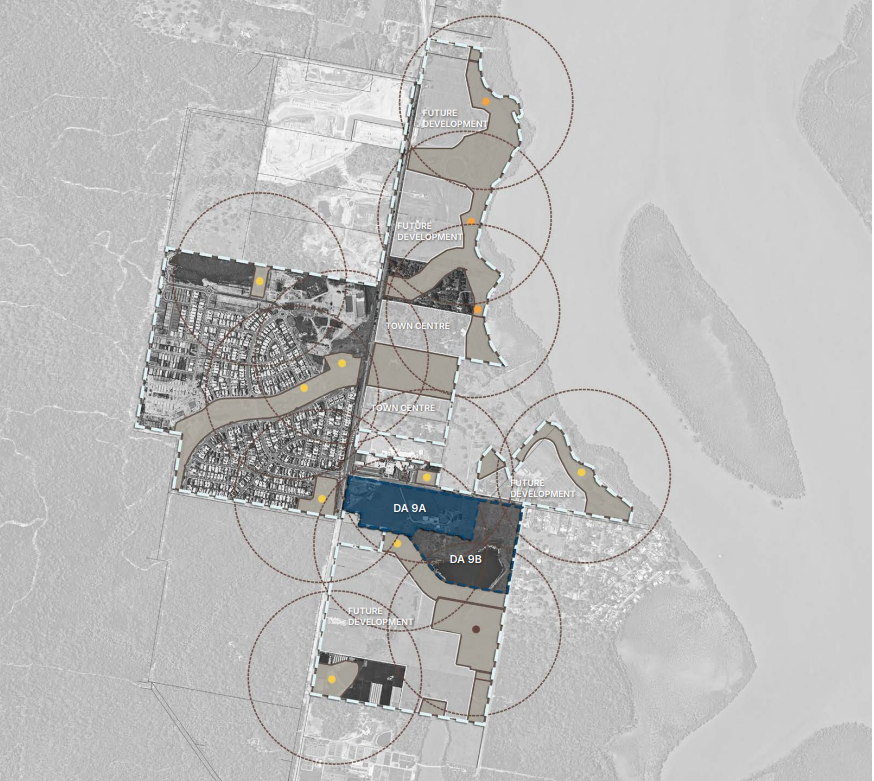
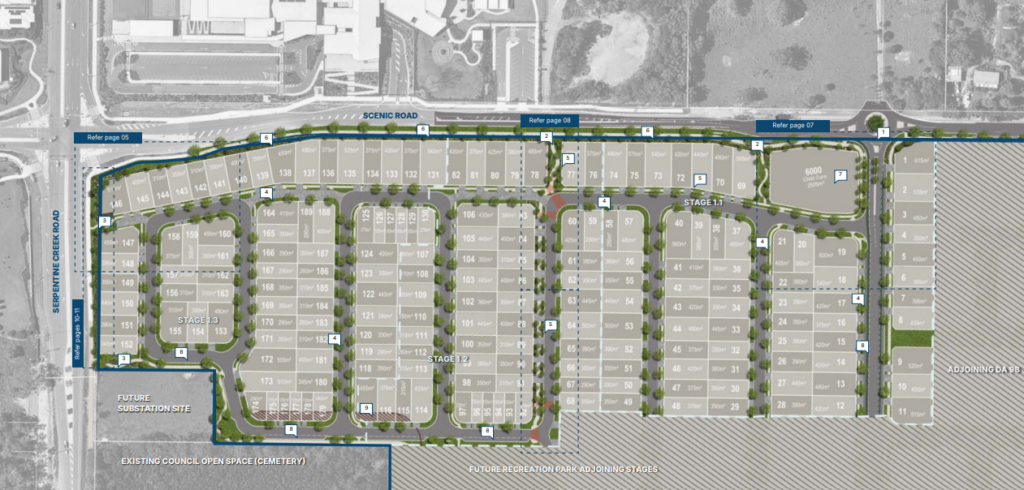
A development application before Redland City’s planning authority proposes to carve 189 homes from a former grazing property on Scenic Road in Redland Bay, with a median lot size of 350 square metres and 80 lots at 350 square metres or smaller, in a shift that reflects the national housing density conversation landing on a bayside suburb that built its identity on space.


The application, lodged as RAL25/0090 and part of the broader Shoreline masterplan, covers 11.54 hectares of a 16.6-hectare landholding on Scenic Road, directly across from a separate 294-home Stockland development already under way and the newly opened Scenic Shores State School.

The two estates will place 483 homes around a single primary school, a density that has already prompted warnings about traffic and parking in the established stage.

The land is owned by Alan Gordon Wilson, whose address is listed as Fiteni Homes in Capalaba. He has granted Stockland’s development arm power of attorney to seek approvals, subdivide and sell the lots.

A block size that is half what the suburb used to accept

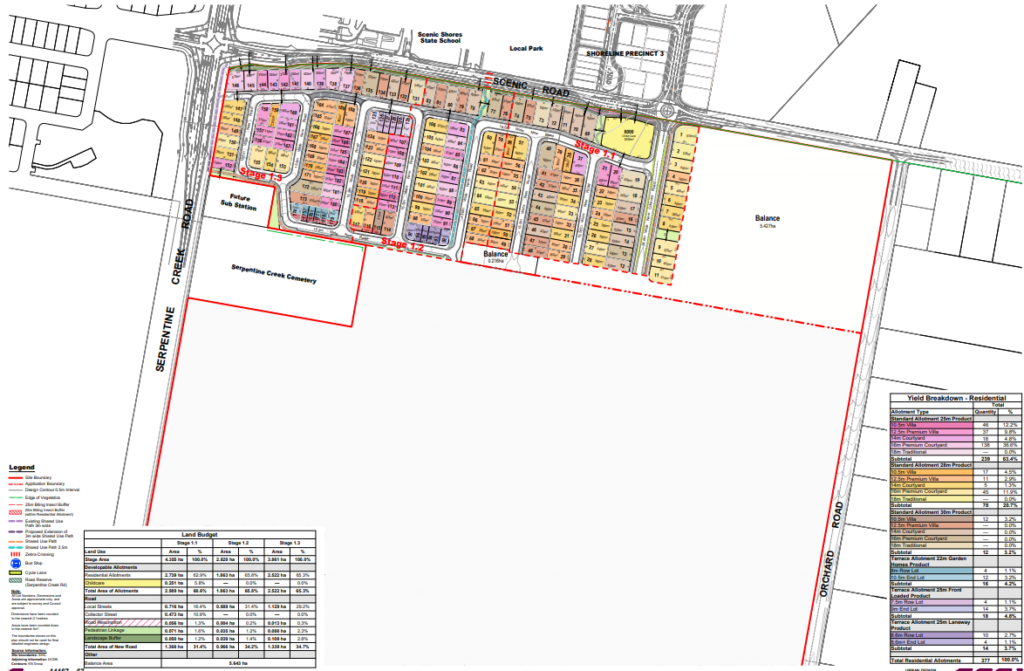
The numbers inside the application tell a clear story about where housing density is heading in South East Queensland’s growth corridors. Planning material by Saunders Havill confirms 42.3 per cent of all lots, 80 in total, will be 350 square metres or smaller.

Photo Credit: DA RAL25/0090

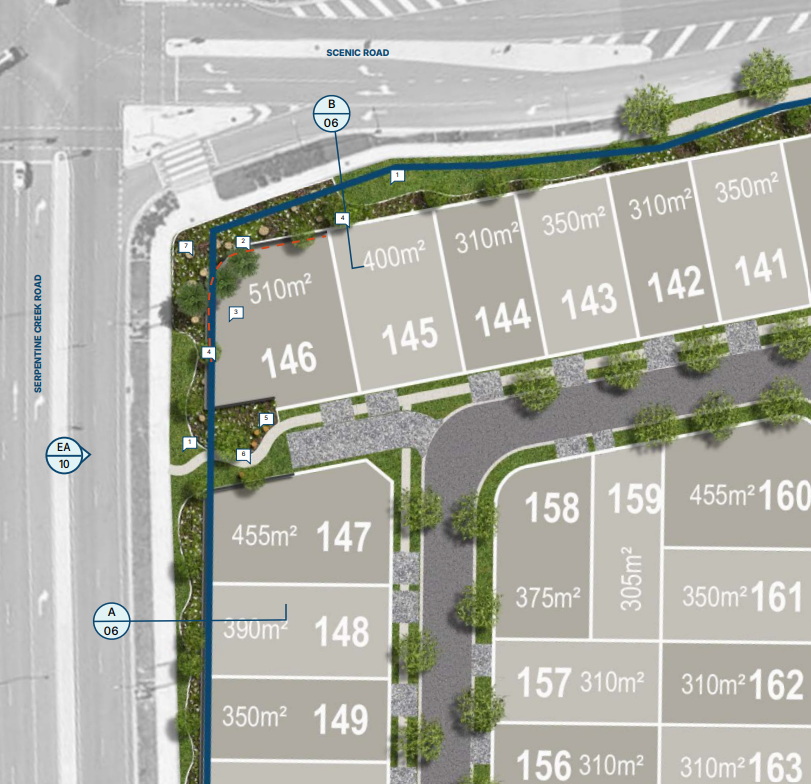
Four lots measure just 155 square metres, several sit between 180 and 200 square metres, and only one lot in the entire estate exceeds 600 square metres, the size that has long defined the south-east suburban standard.

Photo Credit: DA RAL25/0090

The proposed density reaches 16.37 dwellings per hectare against a planning scheme benchmark of 15. The application acknowledges it does not meet key “probable solutions” in the planning scheme but argues the smaller lots facilitate housing choice and affordability. A 6,000-square-metre childcare site is also included, along with internal roads.

Stockland said the proposal had been designed within planning requirements. “The proposals were prepared in line with the Redland City Plan and are supported by technical studies covering traffic, access, parking and servicing, including consideration of peak school-time movements, with all homes to be connected to essential infrastructure,” a spokesperson said.

Photo Credit: DA RAL25/0090

“Shoreline has been planned as a well-connected, family-friendly community that provides much-needed housing close to schools, open space and local services.”

The constraints the site carries

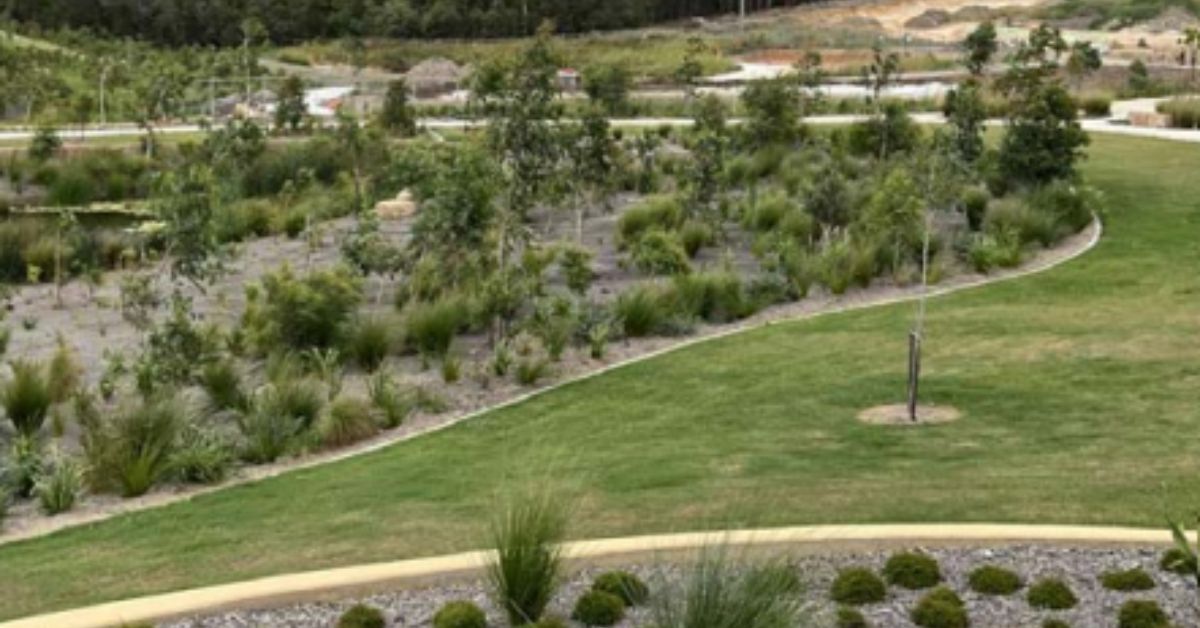
The application navigates a site with several significant constraints. Flood overlays affect parts of the land. Acid sulfate soils are present.

The western boundary abuts the heritage-listed Serpentine Creek Road Cemetery, a historical burial ground dating to Redland Bay’s farming era in the 1880s, which adds a sensitivity to how the boundary treatment is managed.

Photo Credit: DA RAL25/0090

The estate also relies on a temporary sewer solution for now. Wastewater will be stored in six on-site tanks and removed by trucks until a permanent connection is officially opened.

The broader Shoreline infrastructure agreement requires construction of a reticulated sewer system designed to service an expected 10,000 new residents across the full masterplan, but that permanent solution is not yet available for this stage.

Photo Credit: DA RAL25/0090

Each home must provide two on-site car spaces, but visitor parking will rely on internal street access lanes. No public open space is included in this stage, with parks in other parts of Shoreline intended to serve the precinct.

Redland Bay’s farmland era coming to a close

The Shoreline project is a 279-hectare masterplanned community located to the south of the existing Redland Bay township, progressively converting former farming land into housing through staged subdivisions since its preliminary approval in 2015.

Photo Credit: DA RAL25/0090

The community sits 43 kilometres from Brisbane CBD with access to Cleveland train station via bus connections, and markets itself around Moreton Bay water frontage and views toward North Stradbroke Island.

Redland Bay’s history as a fruit-growing district, primarily bananas, oranges and pineapples, dates from the late 1880s when the area emerged as a prosperous farming community after earlier sugar cultivation gave way to competition from north Queensland.

That agricultural past is now almost entirely gone, replaced by the masterplanned estates and state school that define the suburb’s southern expansion.

The application, RAL25/0090, is before Redland City for assessment. Details are available at here.


Published 6-June-2026

Featured Image Credit: DA RAL25/0090

One More Step: Socceroos Face World Cup Crossroads Against Paraguay

World Cup campaigns can turn on a single afternoon.

John Aloisi’s penalty against Uruguay. Tim Cahill’s volley in Germany. Mathew Leckie’s winner over Denmark that carried Australia into the knockout rounds four years ago.

The next opportunity arrives on Friday, June 26 (AEST), when the Socceroos meet Paraguay at San Francisco Bay Area Stadium in Santa Clara with a place in the Round of 32 on the line. A point will be enough to secure second place in Group D behind the United States, while victory would send Australia into the knockout rounds with real momentum. Defeat would leave qualification resting on results elsewhere — a situation Tony Popovic has made clear he has no intention of relying on.

“We’re going into the game tomorrow to win,” Popovic said at his pre-match press conference.

“I expect they’ll be doing the same.”

Opportunity Knocks Again

The mood around the Australian camp has remained positive despite the 2-0 defeat to the United States.

Players and coaches have spent the week focusing less on the result than on the contrast between the two halves in Seattle. Australia struggled to handle the Americans’ intensity before half-time but looked a different side after the break, with Connor Metcalfe, Nestory Irankunda and Cristian Volpato helping swing momentum and ask far more questions of the tournament hosts.

Popovic believes that response says as much about his squad as the opening 45 minutes.

“We’re happy with the squad,” he said.

“The players responded extremely well in the second half and we’re growing day by day, even quicker than I anticipated.”

Selection, though, has again been forced upon him.

Mathew Leckie has been ruled out after injuring his hamstring against the United States, while Jacob Italiano will also miss the match after suffering an adductor injury at training. Both started Australia’s opening win over Türkiye, meaning fresh faces will again be asked to perform in one of the biggest matches of the tournament.

A Different Kind Of Contest

Paraguay presents a challenge unlike the two opponents Australia has already faced.

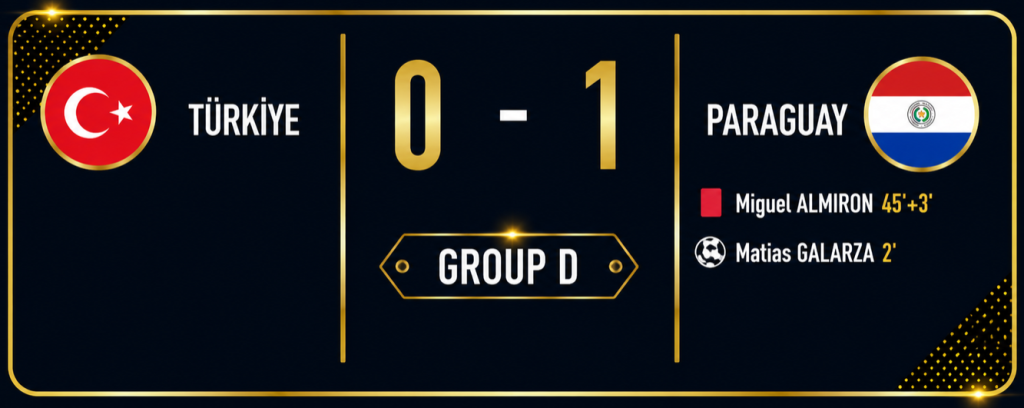
The South Americans arrive level on points with the Socceroos after defeating Türkiye 1-0 despite playing the entire second half with 10 men following Miguel Almirón’s dismissal. It was a display built on resilience, discipline and an ability to stay organised when the pressure mounted.

Assistant coach Paul Okon Sr expects another uncompromising contest.

“They’re a typical South American team,” he said.

“They have very technical players, but they also like to play in unorganised chaos where they have a backs-to-the-wall mentality. It’s going to be a fight.”

Almirón’s suspension removes one of Paraguay’s biggest attacking threats, but Popovic believes little changes.

“They’re here because they deserve to be here,” he said.

“We have a lot of respect for them, but we’re also very confident in our ability.”

Ready For The Fight

Australia’s record against South American opposition has rarely been comfortable, which is one reason the Socceroos deliberately sought out friendlies against Ecuador, Colombia and Venezuela over the past two years.

Those matches exposed many of the players to the physicality, tactical discipline and unpredictability that often define teams from CONMEBOL.

Jason Geria expects more of the same on Friday.

“They fight for everything,” he said. “And they play like every game is their last.”

Australia knows exactly what is coming. The challenge will be matching that intensity without getting drawn into the sort of battle Paraguay thrives on.

Everything Still In Australia’s Hands

There has been plenty of discussion about Australia’s heavier travel schedule during the tournament compared with Paraguay, but the Socceroos have shown little interest in using logistics as an excuse. The squad established its base in Northern California before the tournament specifically to limit travel across time zones, and Friday’s match will be played less than an hour from the team hotel.

For Popovic, the focus has remained exactly where it has been since the squad assembled before the World Cup — on continual improvement.

The Socceroos earned plenty of belief from their victory over Türkiye. They learned some valuable lessons against the United States. Now comes the match that will determine whether those lessons were enough.

Ninety minutes against Paraguay.

Win or draw, and Australia’s World Cup journey continues.

Published 25-June-2026

Socceroos Left With Plenty To Ponder After USA Punishment — But Fightback Offers Hope

The Socceroos spent 45 minutes chasing shadows in Seattle — and by the time they finally woke up, the damage was already done.

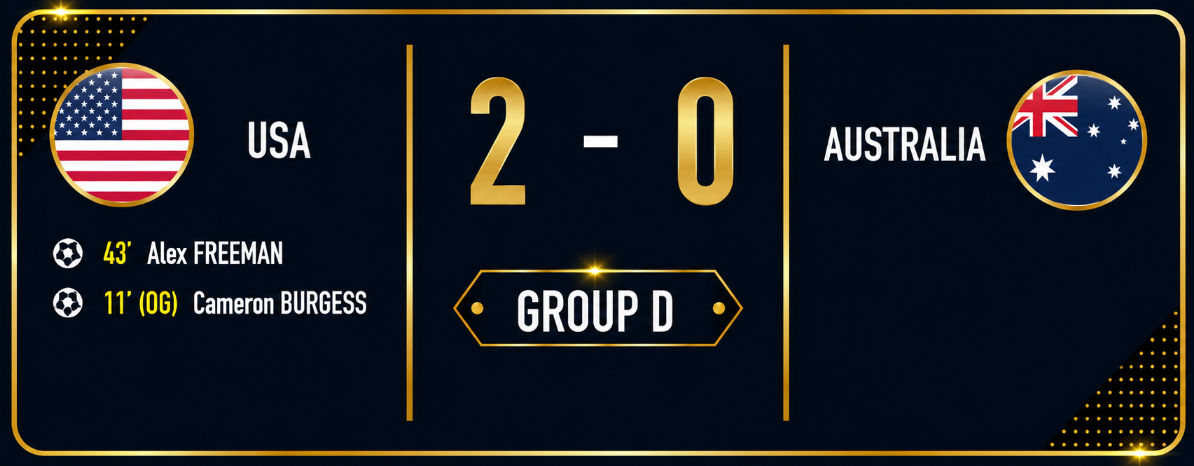
Australia’s World Cup momentum hit a speed bump at Seattle’s Lumen Field on Saturday, June 20 (AEST), falling 2-0 to the United States after a disappointing first half in which Tony Popovic’s side struggled to cope with the hosts’ intensity, movement and pressure. The response after halftime was far more encouraging, but it came too late to rescue a result.

For all the disappointment, Australia remains firmly in the hunt for a place in the Round of 32 heading into next week’s final Group D clash against Paraguay.

Americans Set The Early Tone

The opening minute suggested Australia might be in for a productive morning.

Mohamed Toure pounced on a loose pass and forced Matt Freese into a save after just 40 seconds, but it quickly became apparent that the United States had no intention of allowing the Socceroos to settle.

The hosts pressed aggressively, moved the ball sharply and repeatedly found space around Australia’s midfield. Malik Tillman was influential between the lines, while Folarin Balogun’s pace immediately caused concern whenever the Americans turned defence into attack.

The breakthrough came after 11 minutes.

Balogun drove to the byline and fired a dangerous ball across the six-yard box. Cameron Burgess, scrambling back towards goal under pressure, could only divert the cross into his own net.

The Americans kept coming.

Every time Australia appeared to have weathered the storm, possession was handed straight back. Balogun was causing problems. Tillman was finding pockets. Dest had far too much room.

The game was being played almost entirely on American terms.

Harry Souttar and Alessandro Circati were forced into plenty of defensive work, while Jordan Bos picked up an early booking as frustration began creeping into the contest.

VAR Frustration Deepens The Hole

The second goal arrived just before halftime and only added to Australian frustration.

A free-kick routine ended with Dest’s shot taking a deflection and looping high into the penalty area. Freeman reacted quickest and headed beyond Patrick Beach from close range.

The assistant referee immediately raised the flag.

After a lengthy VAR review, however, the goal was awarded despite Balogun standing in an offside position as the ball dropped into the area.

Australia protested. The decision stood.

Whether Balogun was interfering with play will remain a talking point, but the larger issue for Popovic was the performance that had preceded it.

The Socceroos looked off the pace. Loose passes surrendered possession. Second balls were routinely won by the Americans. When opportunities arose to settle the game, Australia rarely took them.

Popovic’s assessment afterwards reflected what everyone had seen.

“I don’t know if it was the occasion but we looked sluggish and heavy-legged,” he said.

“They were quicker and more powerful. They won every duel and every second ball.”

Popovic Turns To His Bench

Popovic did not wait long to act.

Connor Metcalfe, Nestory Irankunda and Jason Geria were all sent on at halftime, with Cameron Burgess, Nishan Velupillay and Mohamed Toure making way.

The game looked different almost straight away.

Metcalfe got Australia moving through midfield. Irankunda gave the Americans something to chase. Suddenly the ball was sticking.

For the first time all morning, the United States were being asked questions.

The hosts still carried a threat. Early in the half Balogun burst clear and appeared set to add a third before Circati produced a superb recovery challenge to block the attempt.

At 3-0 the match would likely have been over.

Instead, Australia began to gain territory and, more importantly, belief.

Volpato Provides A Spark

Cristian Volpato’s introduction midway through the second half gave the Socceroos another attacking dimension.

Making his World Cup debut after replacing the injured Mathew Leckie, Volpato quickly became involved. His first major contribution saw him combine with Irankunda before firing over the crossbar from a promising position.

It was the sort of move Australia simply hadn’t produced before halftime.

Metcalfe forced Freese into a save after a strong pressing sequence. Irankunda repeatedly drove at defenders. Volpato found space in areas Australia had barely occupied during the opening period.

The crowd, roaring for most of the first half, grew noticeably quieter as Australia started stringing passes together.

The Americans were still dangerous on the break, but they were no longer controlling every aspect of the contest.

Australia’s best chance arrived during a chaotic scramble inside the penalty area when Souttar failed to make clean contact with the ball in front of goal. Geria then saw an effort blocked as the Americans scrambled clear.

Australia spent the closing stages camped in the American half, but the breakthrough never arrived.

All Roads Lead To Paraguay

The defeat leaves Australia needing a result against Paraguay in San Francisco next week, but qualification remains firmly within reach.

A win should be enough to secure progression. Depending on results elsewhere, a draw may also keep the Socceroos alive.

Popovic will be disappointed with how his side handled the opening 45 minutes, particularly against a United States team that looked sharper from the outset despite missing injured star Christian Pulisic.

He may have found a few answers after halftime.

Volpato, Irankunda and Metcalfe all made strong cases for bigger roles in the final group match.

The performance raised as many questions as it answered.

Australia looked a long way off the pace before halftime. After the break, it looked capable of troubling the group leaders.

Which version turns up against Paraguay may decide whether the Socceroos’ World Cup continues.

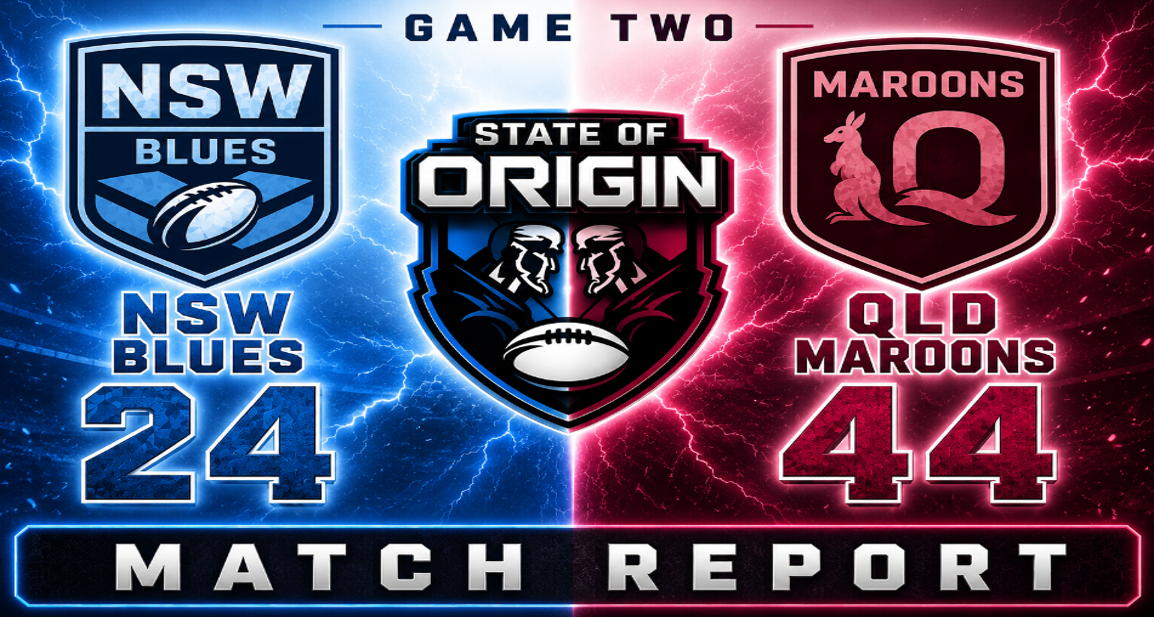
Queensland Punishes Blues To Send Origin Series Back To Brisbane

Twenty minutes into State of Origin II, New South Wales looked to be cruising towards the shield.

The Blues had raced to a 12-2 lead, Mark Nawaqanitawase had already crossed on debut and Queensland had been forced to send both Cameron Munster and Tino Fa’asuamaleaui for head injury assessments during a chaotic opening half-hour.

Much of the pre-match discussion centred on whether Queensland could turn its strong periods in Game One into an 80-minute performance.


Click to read the MATCH PREVIEW


The answer arrived emphatically at the MCG, in one of the Maroons’ most impressive performances in recent years.

Queensland recovered from the early setback, wrestled momentum back through the middle of the field and then dominated the second half to defeat New South Wales 44-24 at the MCG on Wednesday night, levelling the series at 1-1 and setting up a winner-takes-all decider at Suncorp Stadium.

Played before a record State of Origin crowd of 91,671, the contest swung dramatically after the Blues’ bright start as Queensland gradually gained control through its forward pack before its outside backs took over the game.

NSW Lands The First Punch

NSW capitalised immediately after Sam Walker opened the scoring with a penalty goal when Thomas Flegler spilled the ensuing kick-off. Nawaqanitawase reacted quickest to the loose ball and put Kotoni Staggs over for the opening try before the debutant winger scored one himself soon after as the Blues surged to a 12-2 advantage.

At that stage Queensland looked vulnerable.

The Maroons were struggling to generate field position and matters became more difficult when both Munster and Fa’asuamaleaui were temporarily forced from the field for HIAs.

Hamiso Ignites The Fightback

Rather than allowing the game to slip away, Queensland found a way back through the speed and creativity of Hamiso Tabuai-Fidow.

The Dolphins star split the Blues defence with a damaging run that shifted momentum and led to Queensland’s first try. Harry Grant, Munster, Sam Walker and Max Plath all handled before Trent Loiero crashed over, reducing the margin to four points and ensuring the Maroons entered halftime with genuine belief despite trailing 12-8.

Just as importantly, Fa’asuamaleaui returned and helped Queensland regain control of the middle. The Maroons had spent much of the opening half reacting to NSW. By halftime they were the team asking the questions.

Walker, Munster And Cobbo Turn The Tide

The opening exchanges of the second half quickly confirmed that the game had changed.

Queensland’s forwards began winning the yardage battle, Grant started to find space around the ruck and the Blues struggled to contain the Maroons’ kicking game. The first blow came when Robert Toia outleapt James Tedesco to collect a Walker bomb before Max Plath and Munster combined to create space for Selwyn Cobbo, who finished in the corner to give Queensland its first lead of the night.

From there, Queensland’s confidence grew with every set.

Cobbo crossed for his second seven minutes later and the Blues suddenly found themselves chasing a game they had controlled for much of the first half. Munster and Walker continued to probe, while Harry Grant’s running game kept creating problems around the middle of the field.

Queensland Find The Weak Spot

Queensland’s coaching staff clearly saw an opportunity on the edges and they kept going back to it.

The Maroons repeatedly challenged NSW through the air and won more often than they lost. Jojo Fifita came down with one attacking kick to score, while Queensland continued to create opportunities whenever the ball was shifted wide.

Nawaqanitawase briefly gave the Blues hope with his second try on debut, but Queensland’s response was immediate. Hamiso Tabuai-Fidow crossed after another dangerous attacking raid before Staggs was sent to the sin bin for a high shot on Kalyn Ponga as NSW’s night unravelled.

By that stage the Maroons had complete control of the contest.

Harry Grant sliced through the middle to help create a try for Lindsay Collins, while Cobbo completed a deserved hat-trick as Queensland turned a close contest into a convincing victory.

Suncorp Gets Its Decider

While Cobbo’s three tries and Tabuai-Fidow’s influence will attract plenty of attention, Queensland’s win was built on far more than individual brilliance.

Fa’asuamaleaui’s return from his HIA proved crucial. Grant controlled the ruck, Collins made a major second-half impact, while Loiero and Plath both made important contributions.

A fortnight ago the Maroons were left wondering what might have been after surrendering a winning position in Sydney.

Now the series is heading back to Brisbane.

The Blues arrived in Melbourne believing they were one win away from reclaiming the shield. Instead, Queensland heads home with momentum, confidence and the chance to decide the series in front of a packed Suncorp Stadium.

Published 17-June-2022


MATCH PREVIEW

Maroons Out to Keep Series Alive as Origin Heads to the MCG

State of Origin Game 2 Match Preview

Queensland arrives in Melbourne with a point to prove.

The Maroons were the better side for long stretches of State of Origin I in Sydney, racing to a 20-6 halftime lead and threatening to blow the Blues off the park before the contest turned dramatically following Kalyn Ponga’s second-half send-off. New South Wales ultimately capitalised on the numerical advantage to claim a comeback victory and move within one win of reclaiming the Origin shield.

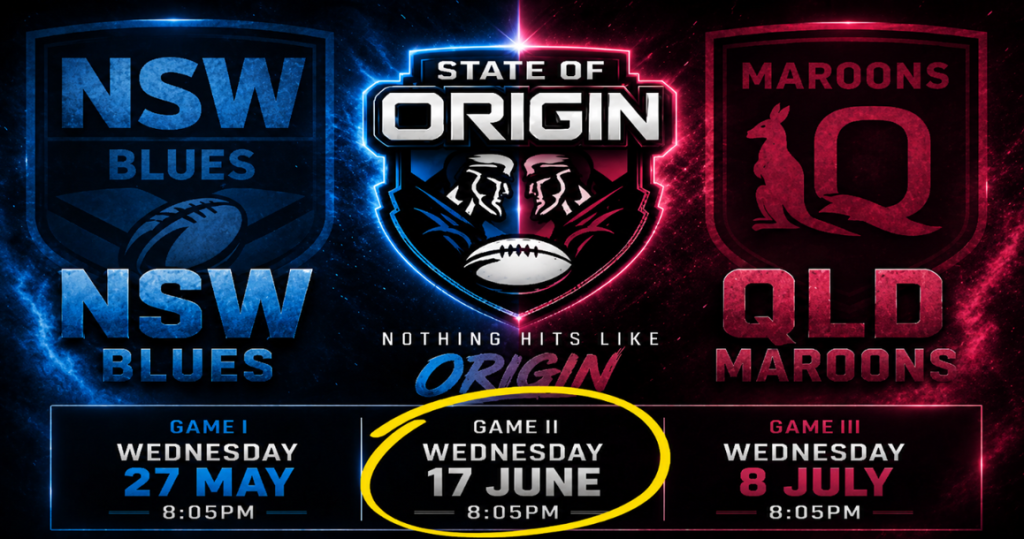
Now, with a massive crowd expected at the Melbourne Cricket Ground on Wednesday night, Billy Slater’s side has the opportunity to reset the narrative and force the series into a decider at Suncorp Stadium.

Why Queensland Should Be Confident

For Queensland supporters, there is plenty of reason for confidence.

While the Blues enter as favourites in many predictions, the Maroons can point to the opening 50 minutes of Game I as evidence that their game plan works. Cameron Munster controlled proceedings, Harry Grant constantly threatened around the ruck, and Queensland’s speed on the edges repeatedly exposed New South Wales’ defence.

The challenge this time is maintaining that standard for the full 80 minutes.

Walsh Returns As Maroons Reshuffle

Queensland’s line-up features several notable changes. Reece Walsh returns to the squad after missing the series opener and has been named on the bench as a potential game-breaker. Whether he enters as an impact player late in the contest or is required earlier, his speed and unpredictability could prove crucial on the expansive MCG surface.

The Maroons have also welcomed back Thomas Flegler, while Dolphins utility Max Plath retains his place in the 17 after impressing with his versatility and work ethic.

One of Queensland’s biggest losses is Patrick Carrigan, whose absence removes a proven Origin performer from the middle rotation. However, Slater has reshaped the pack around Tino Fa’asuamaleaui, Reuben Cotter, Lindsay Collins and Kurt Capewell, a group that will be tasked with matching a powerful New South Wales forward unit.

Haas And Moses Boost Blues

The Blues receive a major boost through the return of Payne Haas. The Brisbane Broncos prop is widely regarded as one of the game’s premier front-rowers and his inclusion adds significant punch to New South Wales’ engine room.

New South Wales has also recalled Mitchell Moses at five-eighth after he was cleared to return from the hamstring injury that ruled him out of the series opener. Moses brings an elite kicking game and running threat, but Origin football is a demanding environment for any player returning from a lay-off.

Queensland will undoubtedly test him defensively whenever opportunities arise.

The Blues have also been forced into a late backline reshuffle, with Mark Nawaqanitawase coming onto the wing after Casey McLean was ruled out. Tolutau Koula shifts into the centres alongside Kotoni Staggs as Laurie Daley looks to secure the series in Melbourne.

The Key Battle

The battle between the halves could ultimately decide the contest.

Nathan Cleary and Moses offer New South Wales one of the most accomplished playmaking combinations in the game, but Munster has built his reputation on delivering in Origin’s biggest moments. Alongside Sam Walker, he will be expected to guide Queensland around the park and create opportunities for strike weapons such as Ponga, Hamiso Tabuai-Fidow and Selwyn Cobbo.

Queensland’s Familiar Underdog Mindset

The Maroons also have a psychological edge that statistics cannot measure.

Queensland has built its Origin legacy on responding when backed into a corner, and there is no shortage of motivation after the manner of the Game I defeat. Many Queensland supporters will feel the opening match turned on a handful of key moments after the Maroons had built a commanding first-half lead.

That belief could become a powerful weapon in Melbourne.

Most experts have tipped New South Wales to wrap up the series, but the predictions are far from unanimous. Several former players and commentators expect Queensland’s desperation, combined with the return of key personnel, to be enough to level the series.

If the Maroons can reproduce the intensity, discipline and attacking fluency they showed before Ponga’s dismissal in Sydney, a trip to Brisbane for a winner-takes-all decider may well await.

And if that happens, the pressure will shift squarely back onto the Blues.

Match Details

State of Origin II
Wednesday, June 17
Melbourne Cricket Ground
Kick-off: 8:05pm AEST

New South Wales Blues

Backs: James Tedesco, Brian To’o, Tolutau Koula, Kotoni Staggs, Mark Nawaqanitawase

Halves: Mitchell Moses, Nathan Cleary

Forwards: Payne Haas, Reece Robson, Mitchell Barnett, Hudson Young, Dylan Lucas, Isaah Yeo

Interchange: Cameron Murray, Victor Radley, Addin Fonua-Blake, Apisai Koroisau

Extended Squad: Ethan Strange, Jack Bostock, Haumole Olakau’atu

Coach: Laurie Daley

Queensland Maroons

Backs: Kalyn Ponga, Selwyn Cobbo, Robert Toia, Hamiso Tabuai-Fidow, Jojo Fifita

Halves: Cameron Munster, Sam Walker

Forwards: Thomas Flegler, Harry Grant, Tino Fa’asuamaleaui, Briton Nikora, Kurt Capewell, Reuben Cotter

Interchange: Max Plath, Lindsay Collins, Kulikefu Finefeuiaki, Trent Loiero

Extended Squad: Reece Walsh, Murray Taulagi, Heilum Luki

Coach: Billy Slater

Match Officials

Referee: Ashley Klein

Touch Judges: Phil Henderson, Matt Noyen

Bunker: Chris Butler

Prediction

Queensland by 4. The Maroons showed in the opening game that they can trouble the Blues when their forwards win the middle and Munster is given time and space. If they maintain their discipline and keep all 13 men on the field, a Suncorp Stadium decider looks well within reach.

Published 17-June-2026

Popovic’s Gamble Pays Off As Socceroos Deliver Famous World Cup Statement

The Socceroos arrived in Vancouver carrying one of the youngest starting line-ups in their World Cup history and a coach prepared to make the biggest calls of his tenure.

By the final whistle at BC Place, Tony Popovic looked like a man who had got every one of them right.

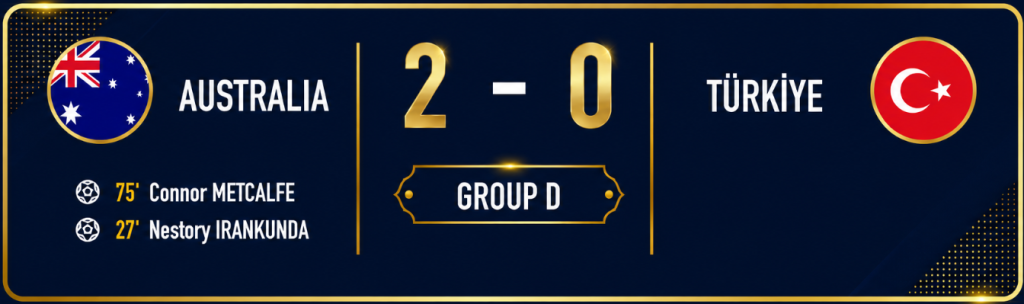
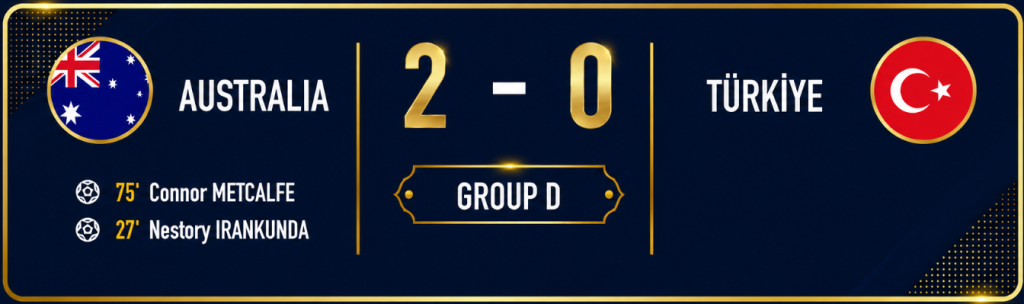
Australia opened its FIFA World Cup 2026 campaign with a stunning 2-0 victory over Türkiye at BC Place in Vancouver on Sunday, June 14 (AEST), with Nestory Irankunda and Connor Metcalfe scoring either side of halftime while Patrick Beach justified his surprise selection with a string of outstanding saves.

Against a Turkish side packed with European stars and able to control possession for long periods, the Socceroos absorbed pressure, struck with ruthless efficiency and delivered one of their most complete World Cup performances in years.

The result gave Australia its first win in a World Cup opener since 2006 and immediately strengthened its chances of progressing from Group D.

Youthful Socceroos Rise To The Occasion

The pre-match discussion centred on Popovic’s team sheet.

Beach kept his place ahead of captain Maty Ryan. Paul Okon-Engstler started in midfield. Ten members of the starting side were making their World Cup debuts.

Any concerns about nerves disappeared quickly.

The opening stages were played at a frantic pace, with both teams looking to attack directly whenever possession changed hands. Türkiye enjoyed more of the ball, but Australia looked dangerous whenever space opened up behind the defence.

The breakthrough came after 27 minutes.

Okon-Engstler launched a long pass forward from inside Australia’s half and Irankunda did the rest. The Watford winger accelerated past his marker, steadied himself and guided a composed finish beyond Ugurcan Çakir.

The goal was Irankunda’s first at a World Cup and another reminder of why he is regarded as one of Australia’s brightest attacking talents.

Beach Answers Popovic’s Biggest Call

If Irankunda provided the headline moment, Beach delivered the reassurance.

The 22-year-old goalkeeper was one of the most talked-about selections before kickoff and spent the evening showing exactly why Popovic trusted him.

Only minutes after Australia took the lead, Abdülkerim Bardakci struck a powerful effort from outside the area that appeared destined for the top corner. Beach flew across goal and got enough on the ball to push it onto the post.

Türkiye continued to control possession and territory for much of the contest.

Arda Güler tested Beach from a second-half free kick. Zeki Çelik found space in behind during the final 20 minutes. Kerem Aktürkoğlu also forced a save from close range.

Each time, Beach responded.

Australia’s defensive unit deserved plenty of credit as well. Harry Souttar, Alessandro Circati and Cameron Burgess spent long periods under pressure but rarely allowed Türkiye clear opportunities inside the box.

Metcalfe Seals It

The longer the match remained at 1-0, the more dangerous Australia’s counter-attacking opportunities became.

Jordan Bos continued to find space down the left. Mohamed Toure worked tirelessly up front. Irankunda remained a threat until he departed to a standing ovation shortly after the hour mark.

Then came the decisive moment.

With 15 minutes remaining, Metcalfe collected possession outside the penalty area and shifted the ball onto his left foot. The finish was outstanding, curling beyond Çakir and into the corner to double Australia’s advantage.

For a Turkish side that had enjoyed more than 70 per cent possession, it was a brutal setback.

Australia had spent much of the evening absorbing pressure. When chances arrived, it made them count.

An Ideal Start

The victory immediately placed Australia alongside the United States at the top of Group D after the Americans defeated Paraguay earlier in the round.

More importantly, it rewarded Popovic’s willingness to trust youth on the biggest stage.

Okon-Engstler provided the assist for the opening goal. Irankunda scored it. Beach produced one of the performances of the match. Bos, Circati and Italiano all handled themselves well under pressure.

There will be tougher tests ahead.

But for a team that entered the tournament facing questions about experience, selection and depth, the opening night could hardly have gone much better.

Australia left Vancouver with three points, a clean sheet and momentum heading into its showdown with the United States.

FIFA World Cup 2026: Full Match Schedule, Results and Kick-Off Times


CLICK HERE FOR THE CHAMPIONSHIP SCHEDULE


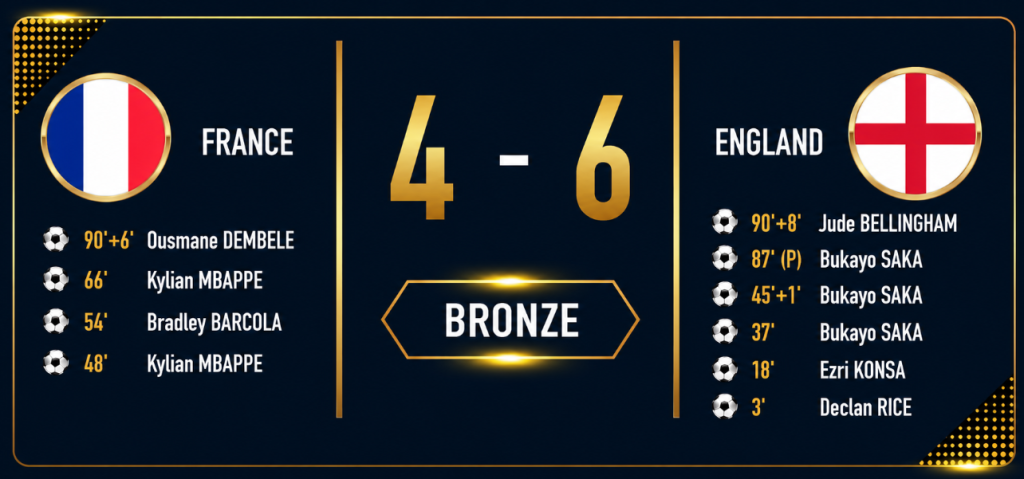
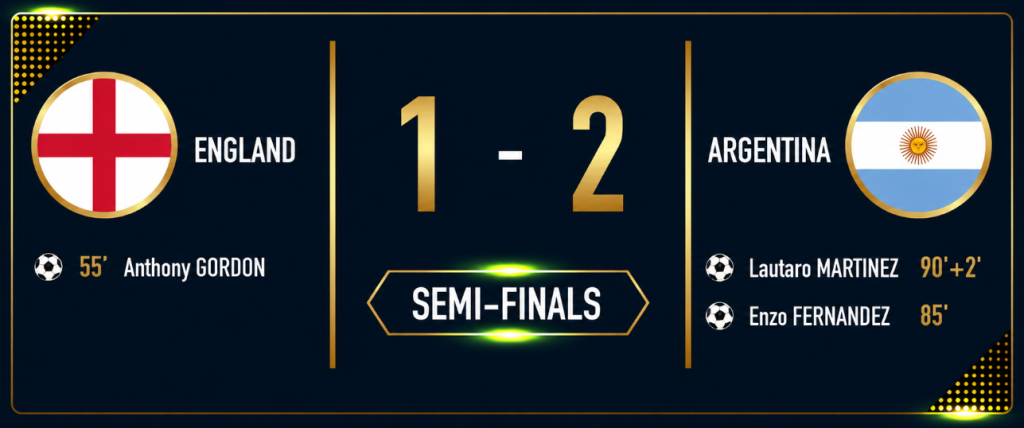
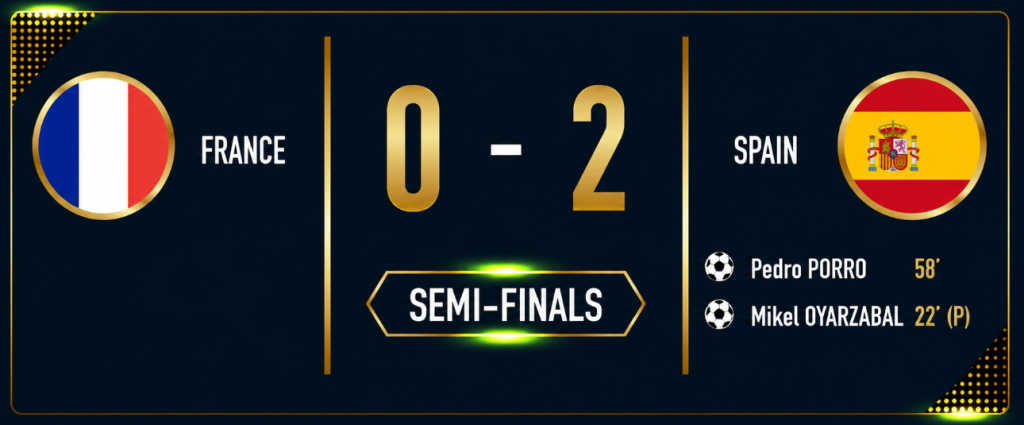
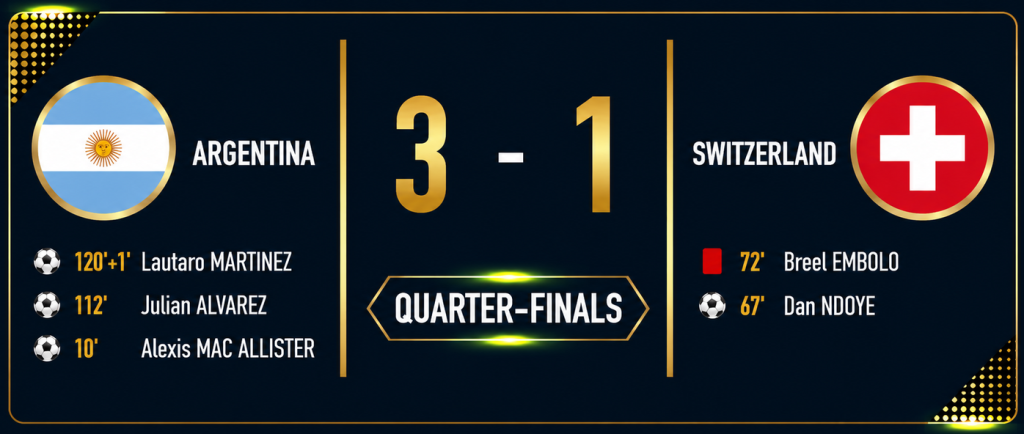
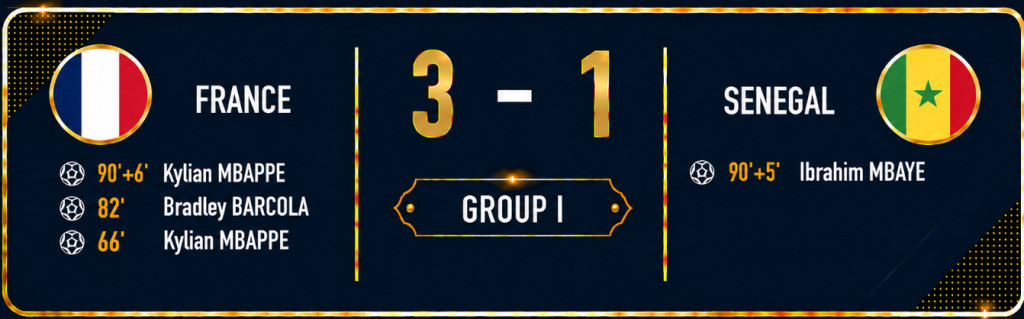
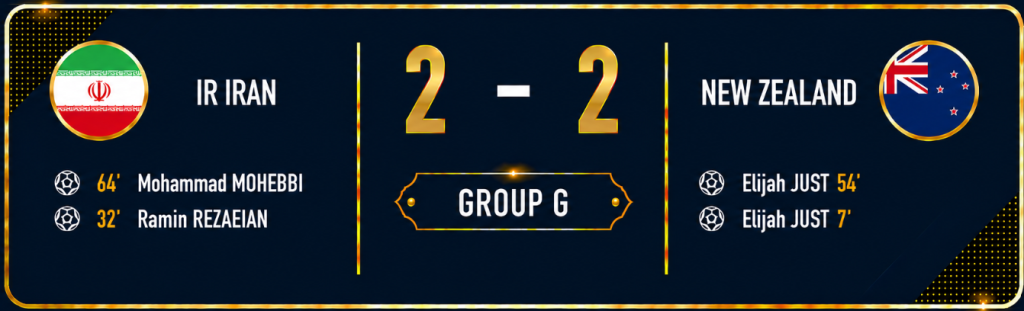
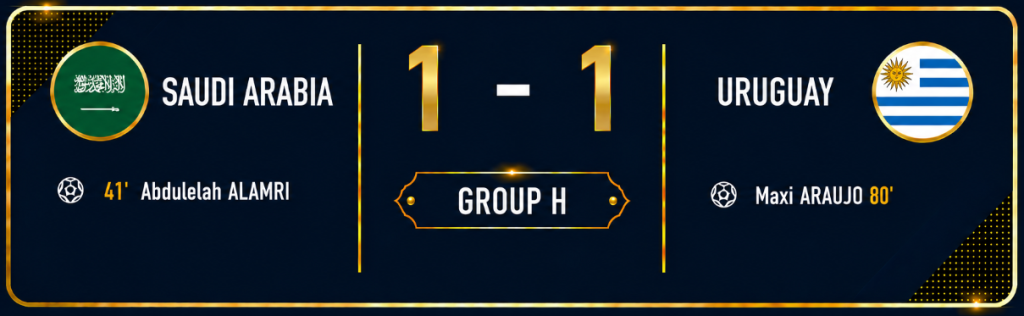
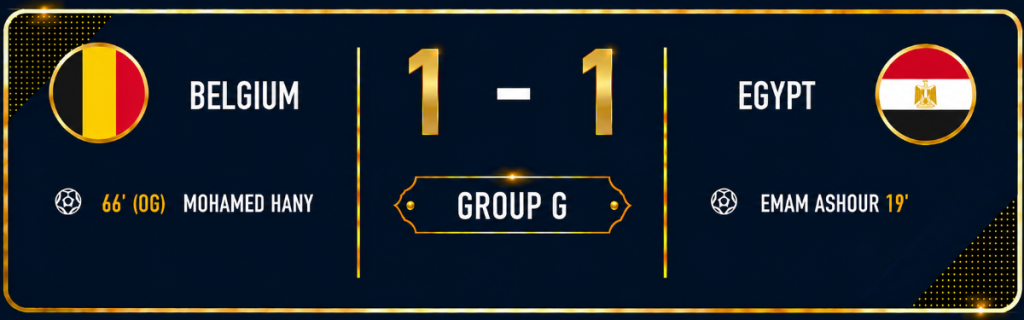
MATCH RESULTS

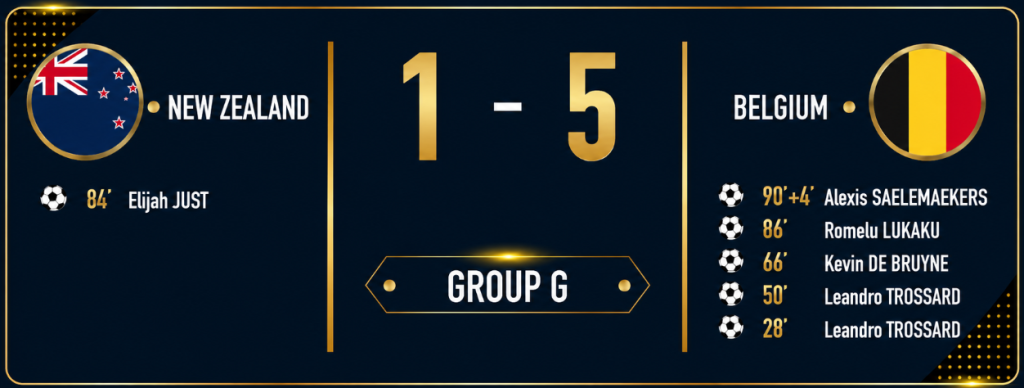
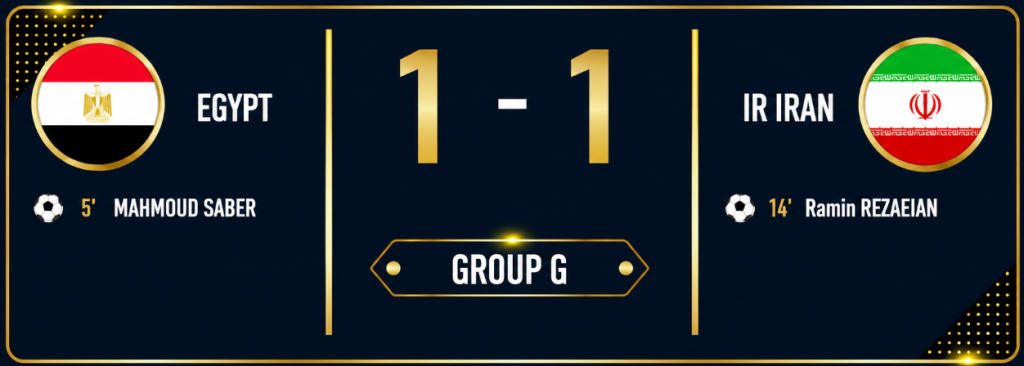
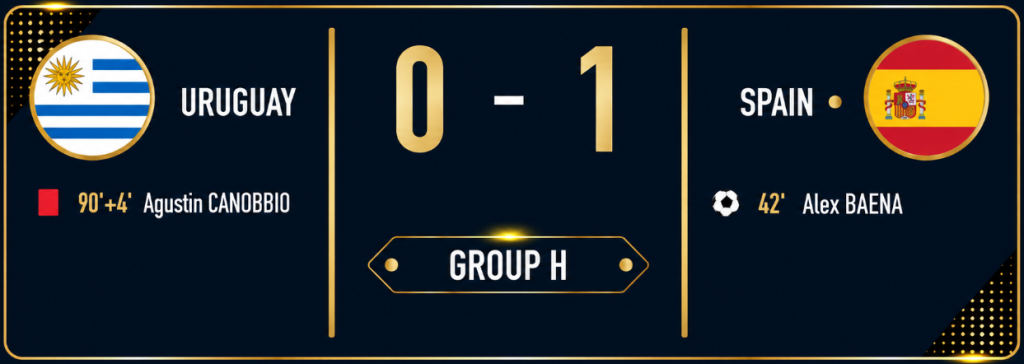
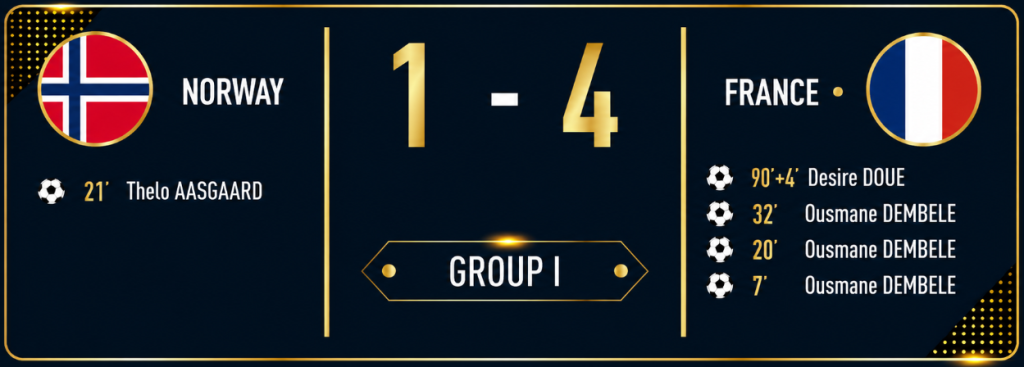
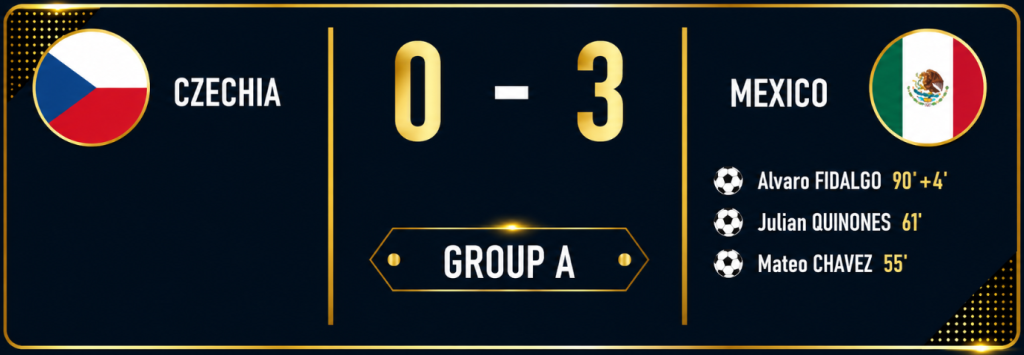
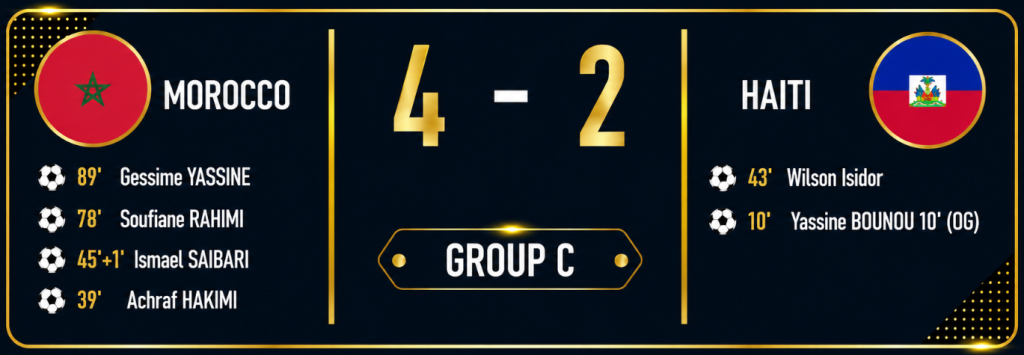
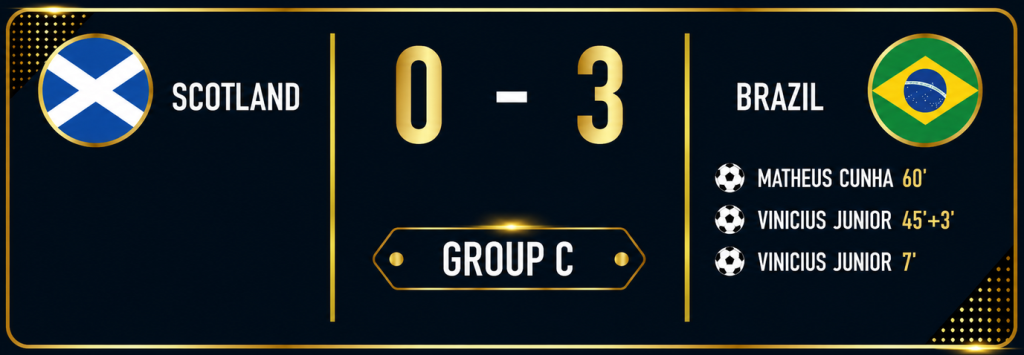
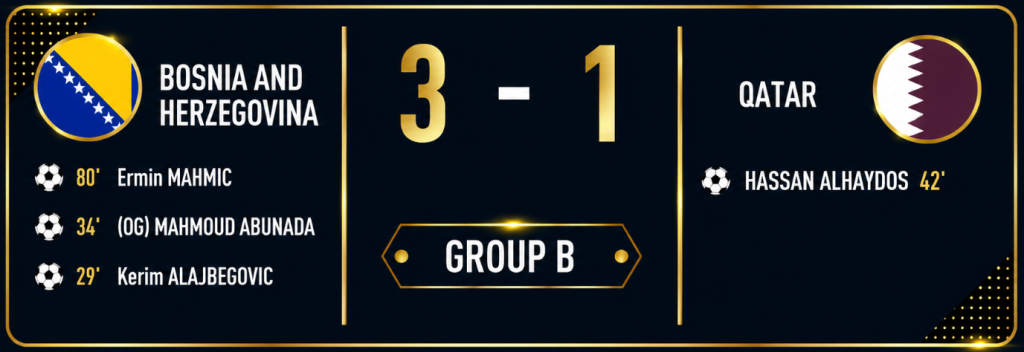
Click the graphics to view game statistics from the FIFA Match Centre

Monday, July 20

5:00am AEST — Spain vs Argentina


Sunday, July 19

7:00am AEST — France vs England


Thursday, July 16

5:00am AEST — England vs Argentina


Wednesday, July 15

5:00am AEST — France vs Spain


Sunday, July 12

11:00am AEST — Argentina vs Switzerland


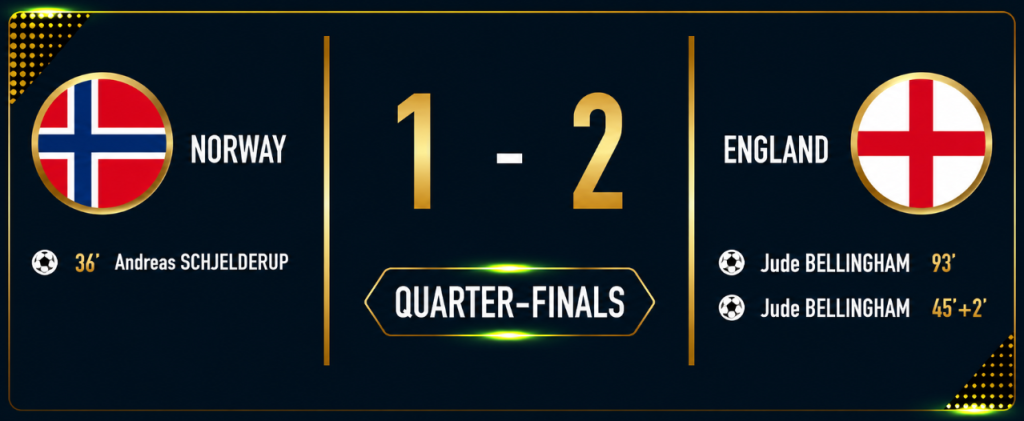
7:00am AEST — Norway vs England


Saturday, July 11

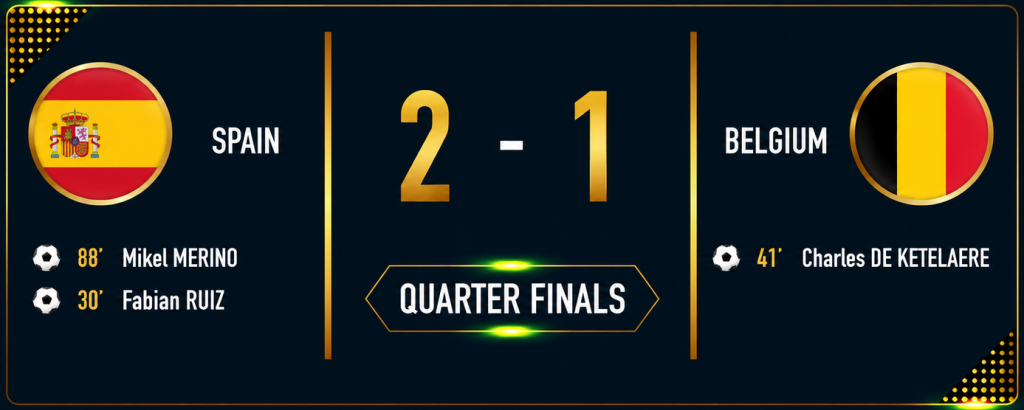
5:00am AEST — Spain vs Belgium


Friday, July 10

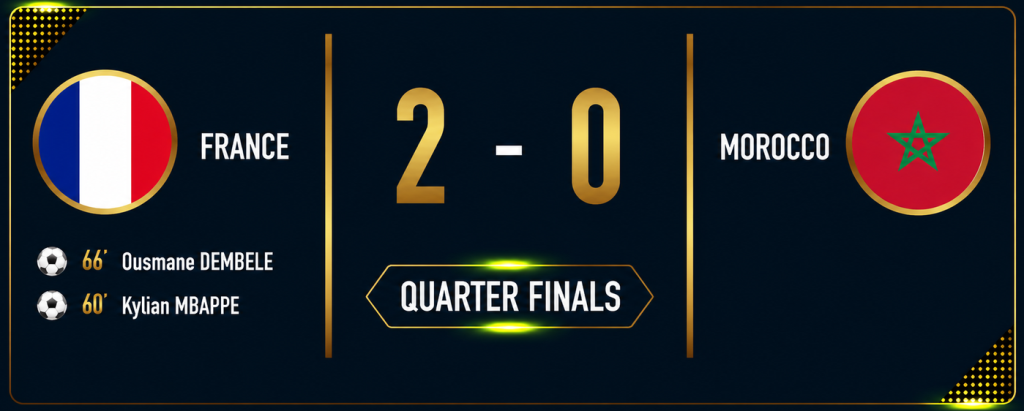
6:00am AEST — France vs Morocco


Wednesday, July 8

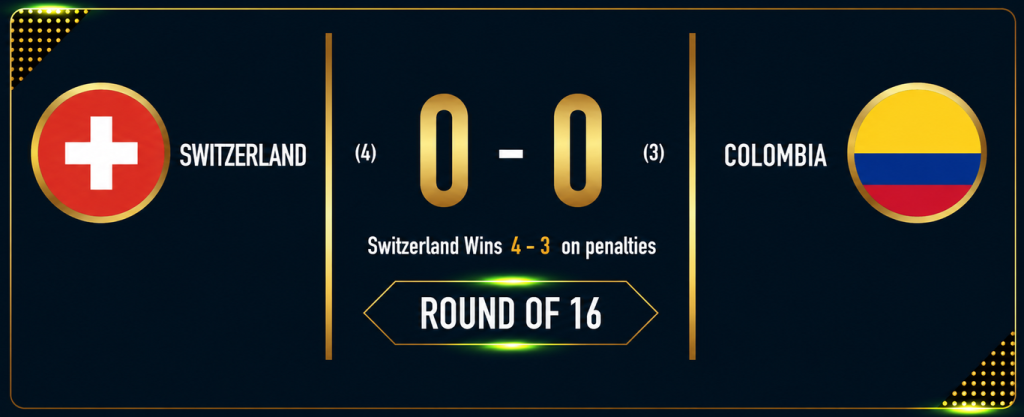
6:00am AEST — Switzerland vs Colombia


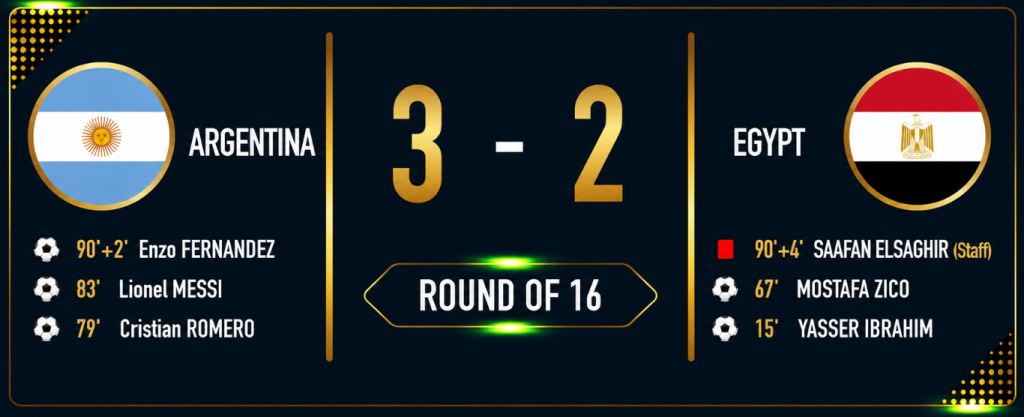
2:00am AEST — Argentina vs Egypt


Tuesday, July 7

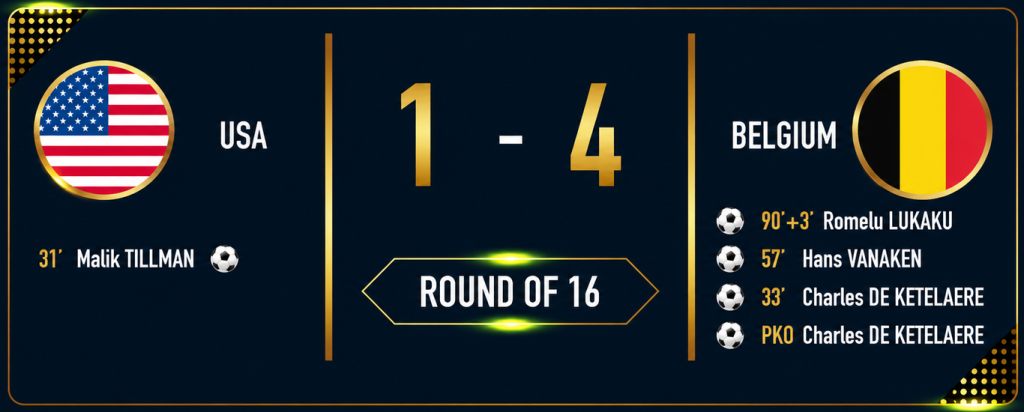
10:00am AEST — USA vs Belgium


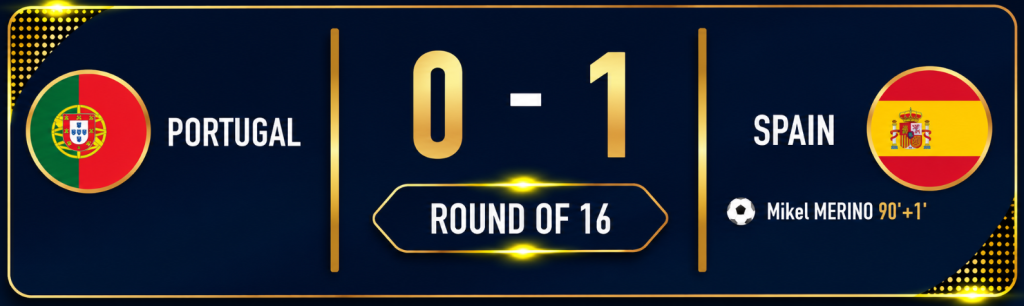
5:00am AEST — Portugal vs Spain


Monday, July 6

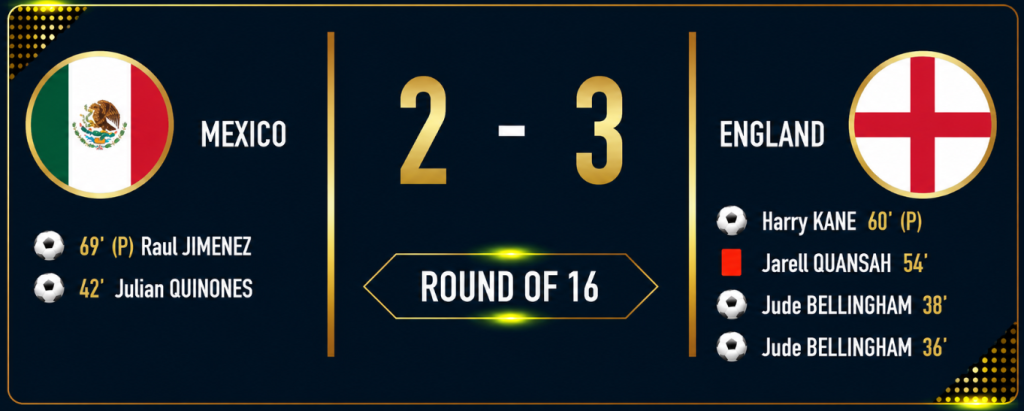
10:00am AEST — Mexico vs England


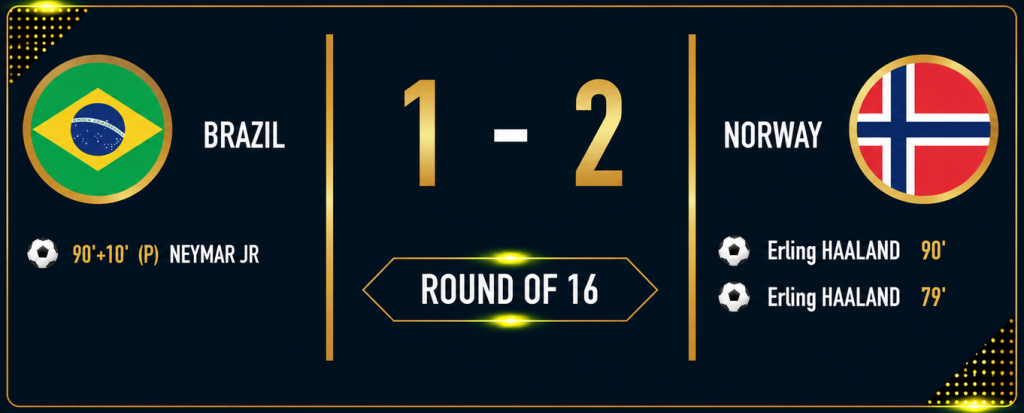
6:00am AEST — Brazil vs Norway


Sunday, July 5

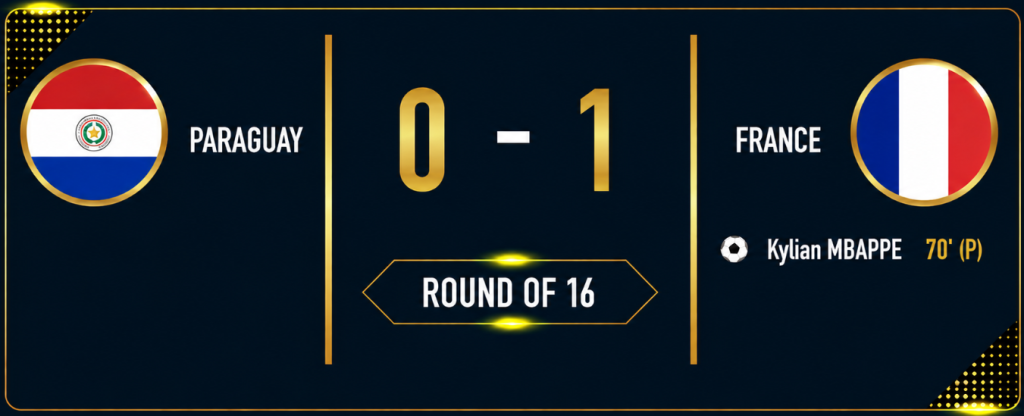
10:00am AEST — Paraguay vs France


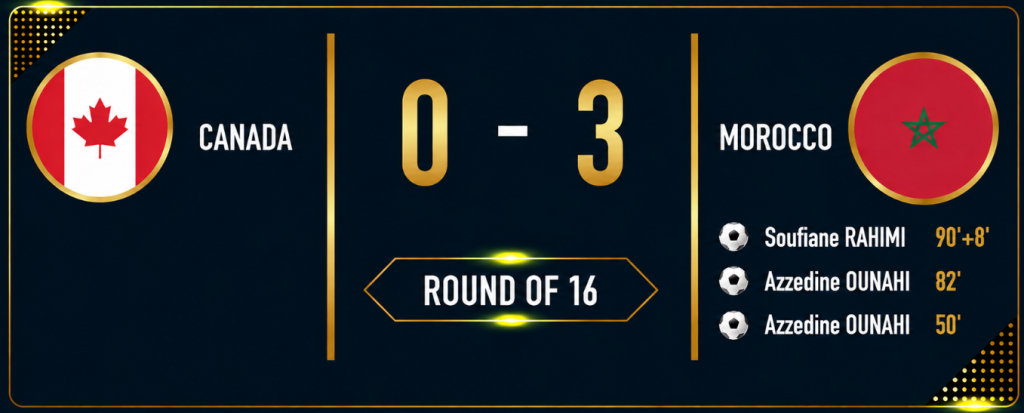
6:00am AEST — Canada vs Morocco


Saturday, July 4

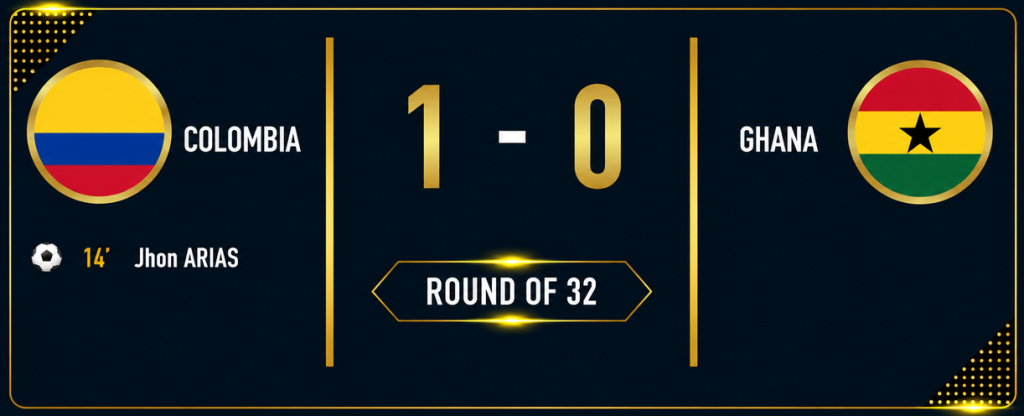
11:30am AEST — Colombia vs Ghana


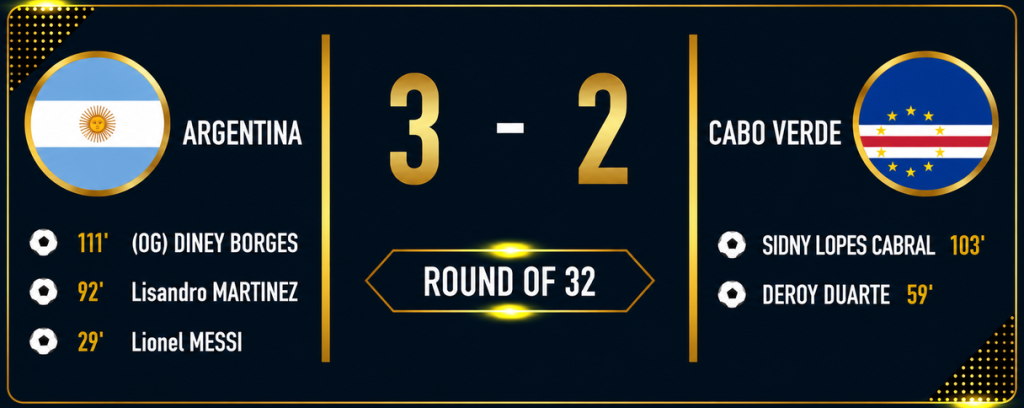
8:00am AEST — Argentina vs Cabo Verde


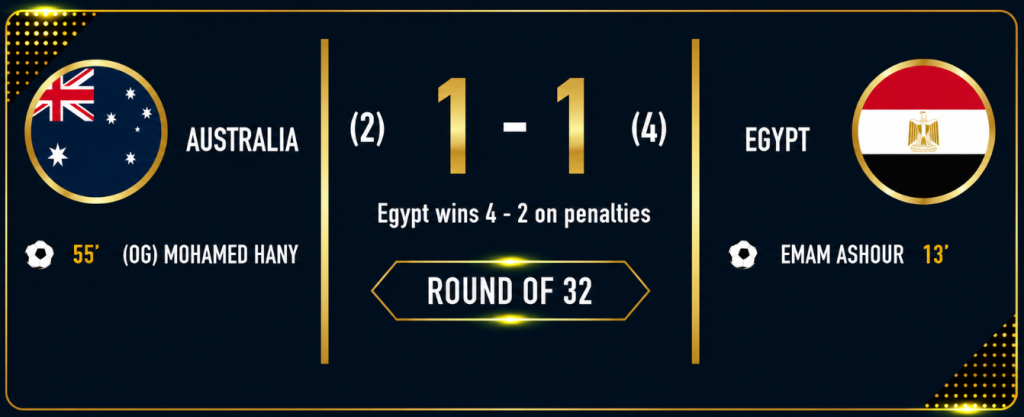
4:00am AEST — Australia vs Egypt


Friday, July 3

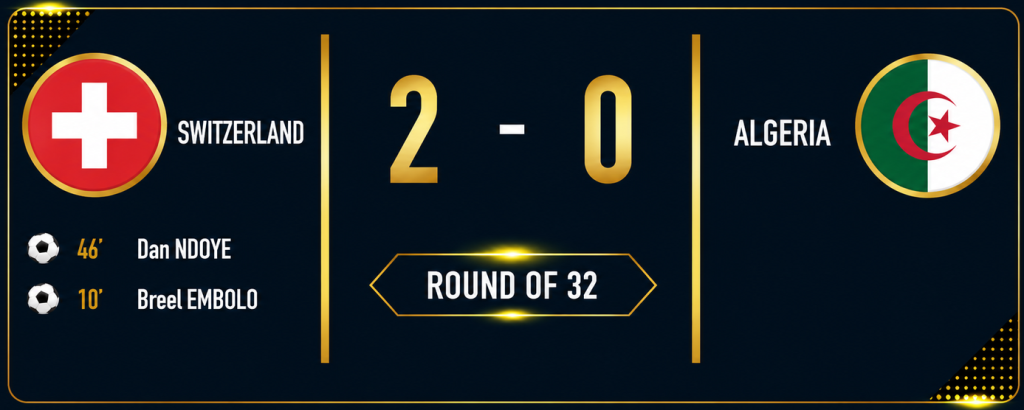
1:00pm AEST — Switzerland vs Algeria


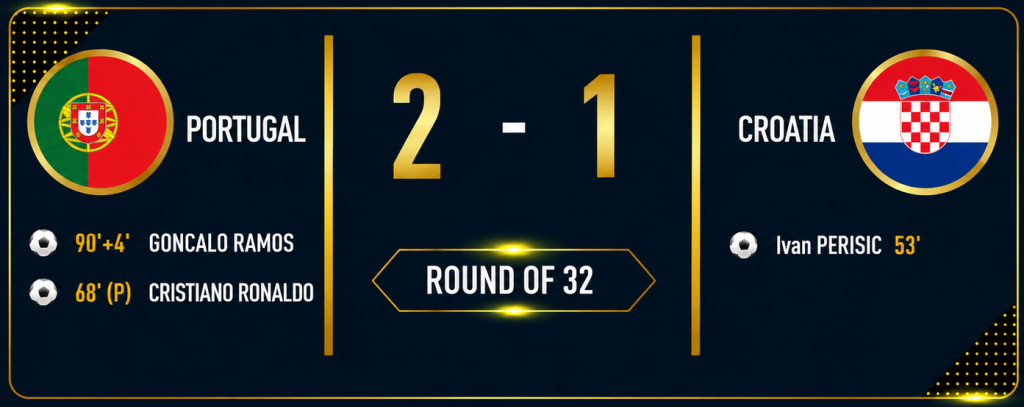
9:00am AEST — Portugal vs Croatia


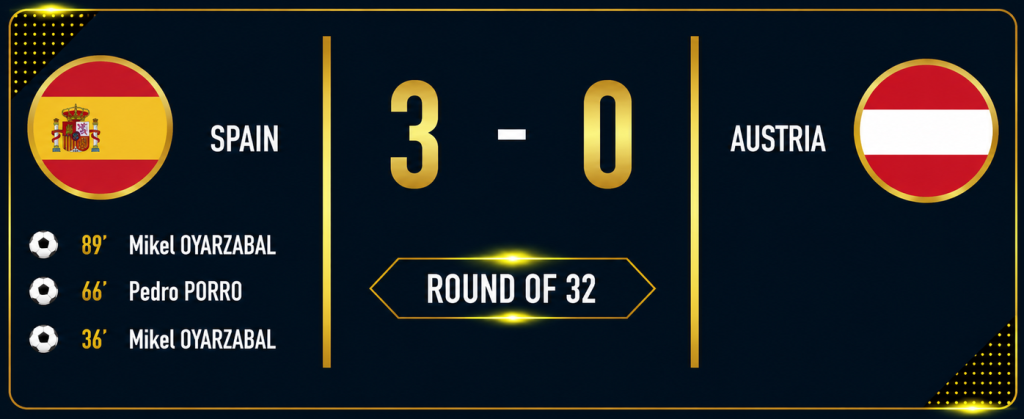
5:00am AEST — Spain vs Austria


Thursday, July 2

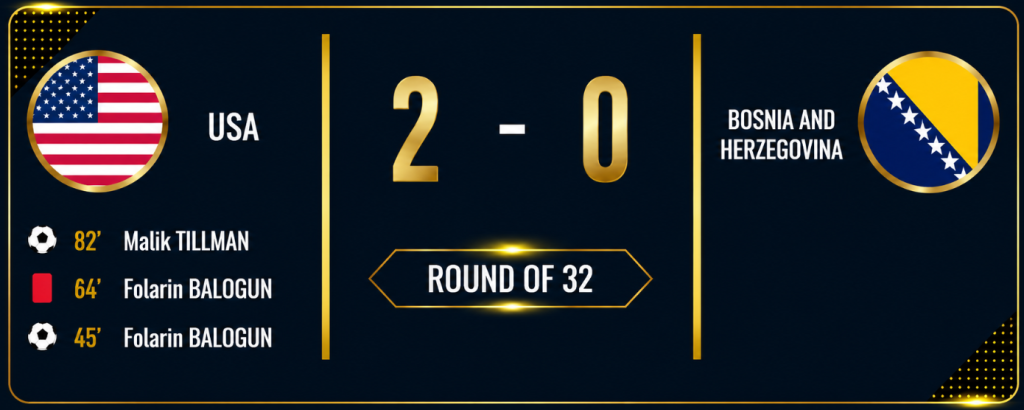
10:00am AEST — USA vs Bosnia and Herzegovina


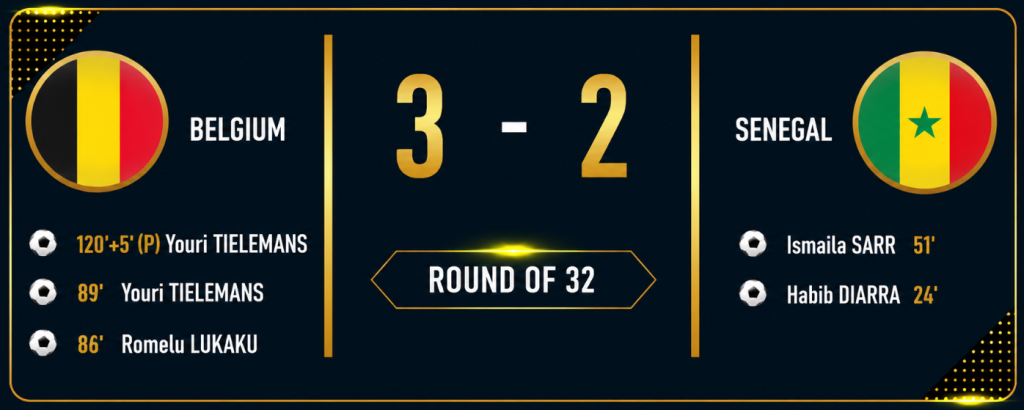
6:00am AEST — Belgium vs Senegal


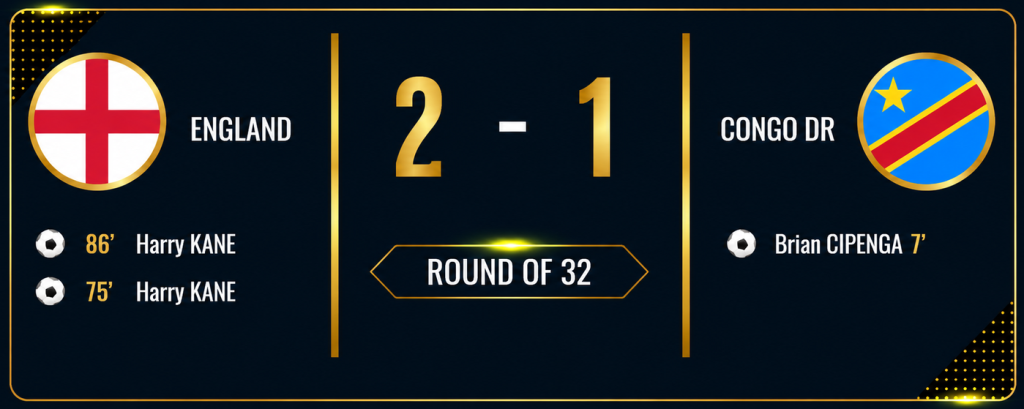
2:00am AEST — England vs Congo DR


Wednesday, July 1

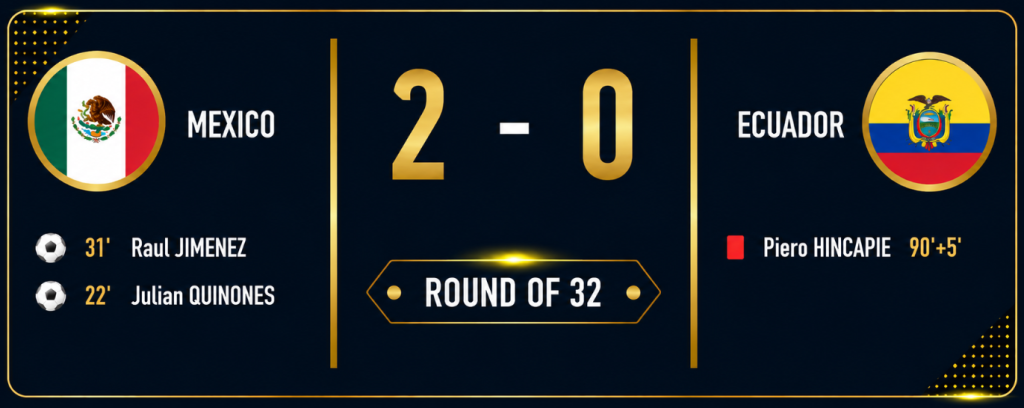
11:00am AEST — Mexico vs Ecuador


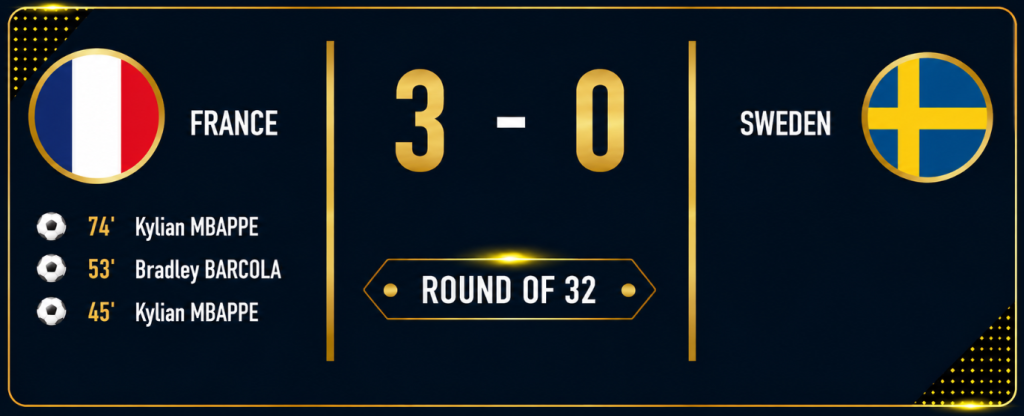
7:00am AEST — France vs Sweden


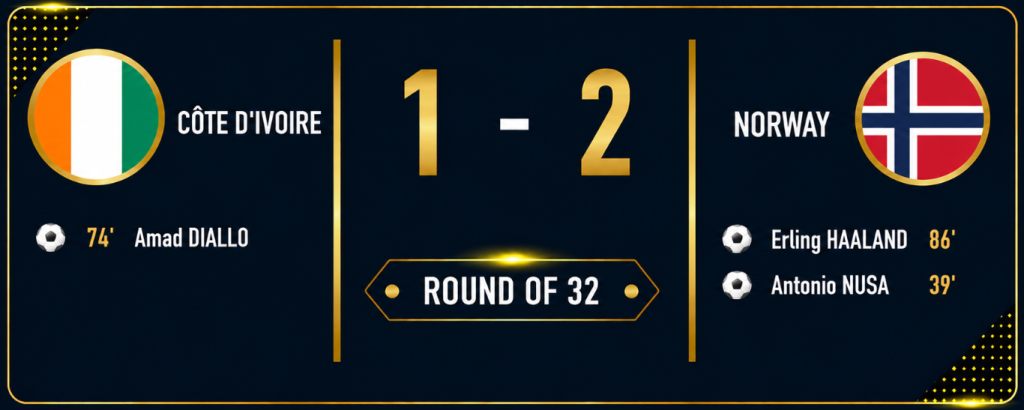
3:00am AEST — Cote D’Ivoire vs Norway


Tuesday, June 30

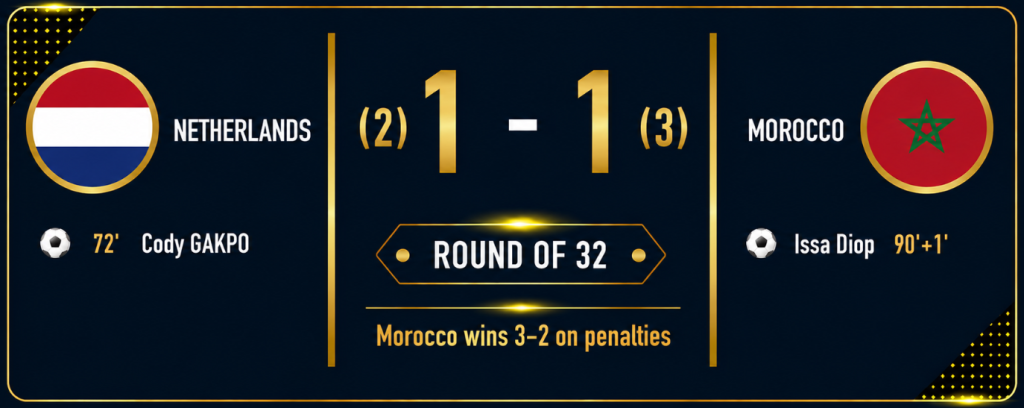
11:00am AEST — Netherlands vs Morocco


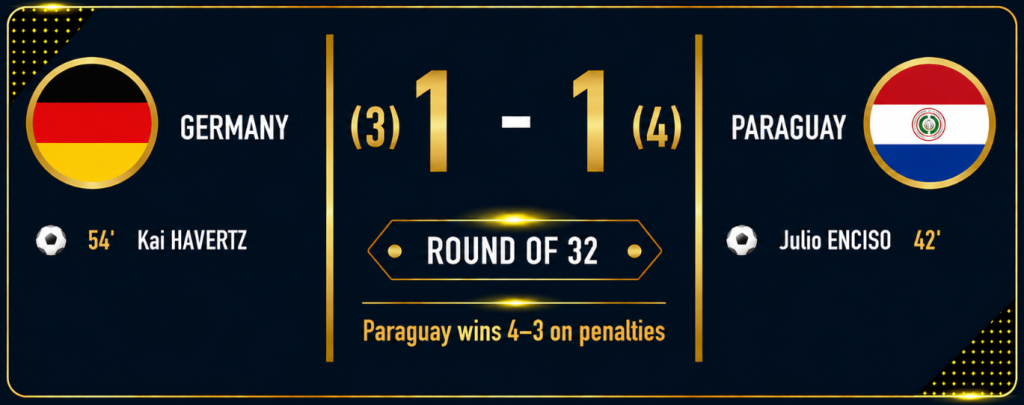
6:30am AEST — Germany vs Paraguay


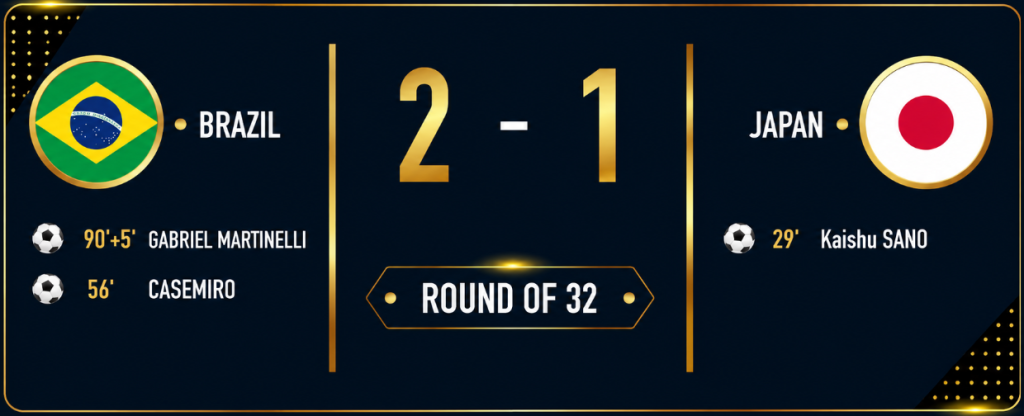
3:00am AEST — Brazil vs Japan


Monday, June 29

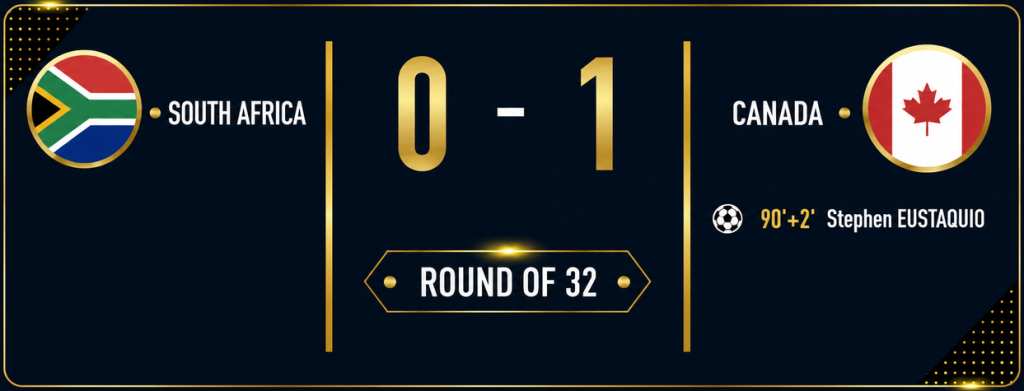
5:00am AEST — South Africa vs Canada


Sunday, June 28

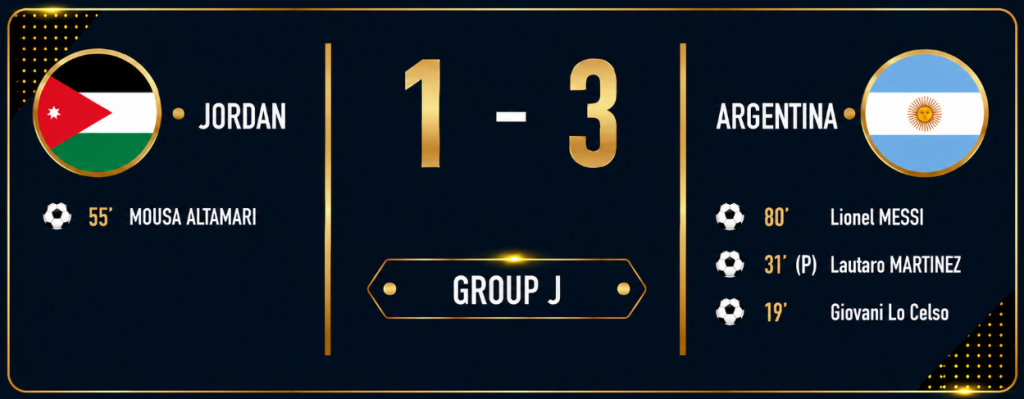
12:00pm AEST — Jordan vs Argentina


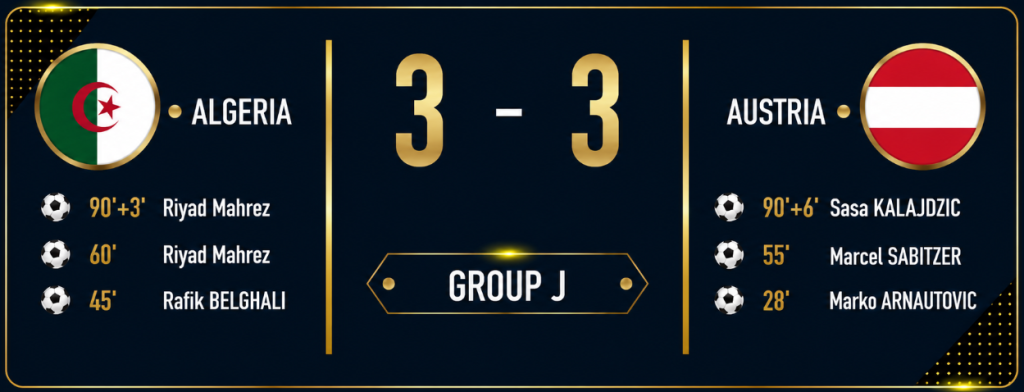
12:00pm AEST — Algeria vs Austria


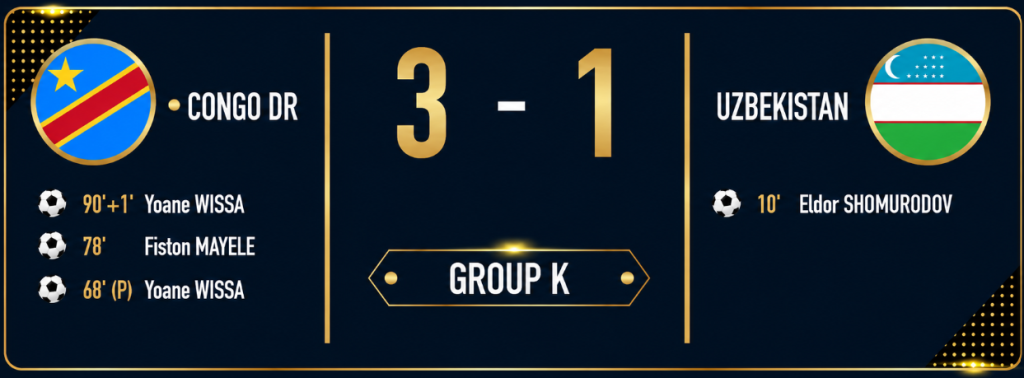
9:30am AEST — Congo DR vs Uzbekistan


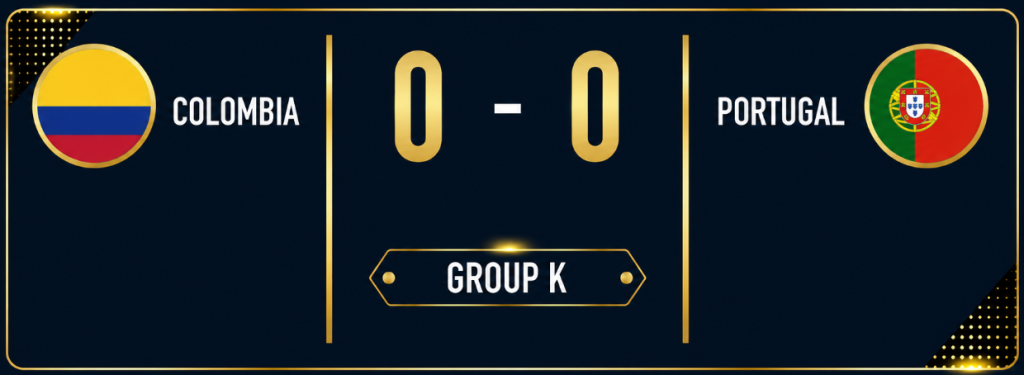
9:30am AEST — Colombia vs Portugal


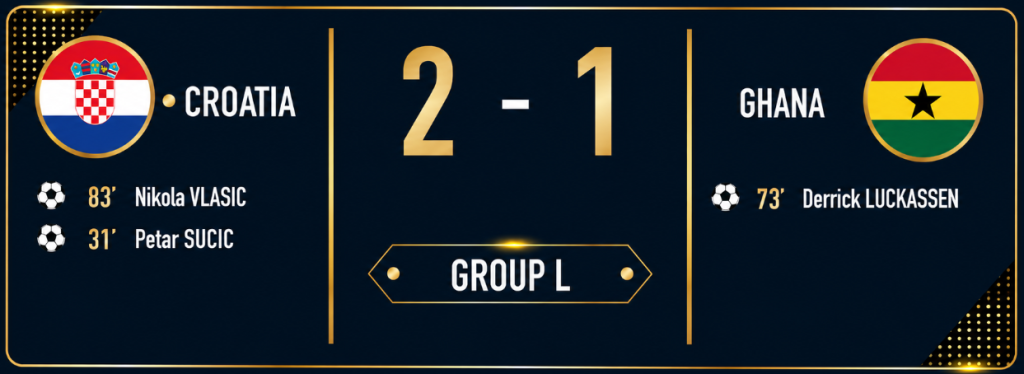
7:00am AEST — Croatia vs Ghana


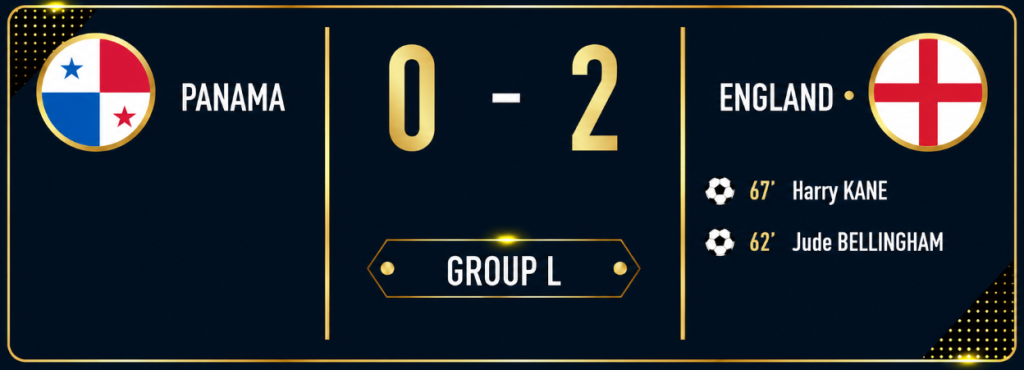
7:00am AEST — Panama vs England


Saturday, June 27

1:00pm AEST — New Zealand vs Belgium


1:00pm AEST — Egypt vs Iran


10:00am AEST — Uruguay vs Spain


10:00am AEST — Cabo Verde vs Saudi Arabia


5:00am AEST — Norway vs France


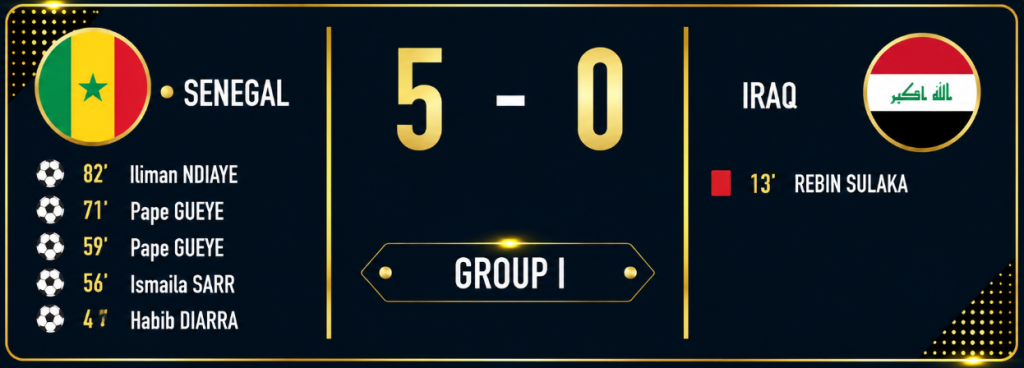
5:00am AEST — Senegal vs Iraq


Friday, June 26

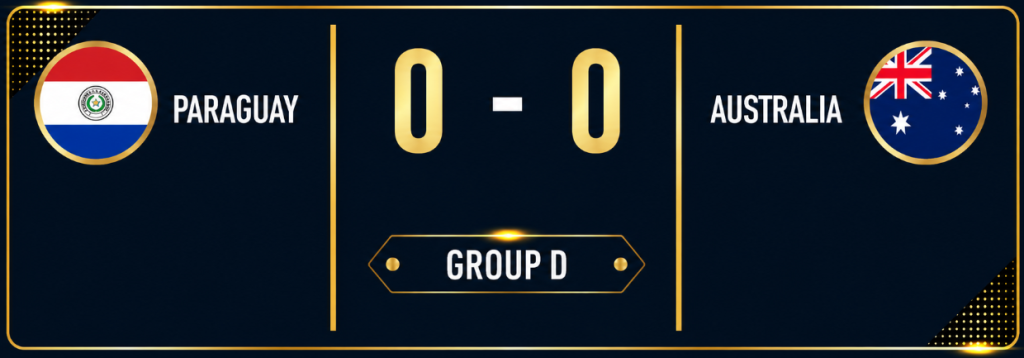
12:00pm AEST — PARAGUAY vs AUSTRALIA


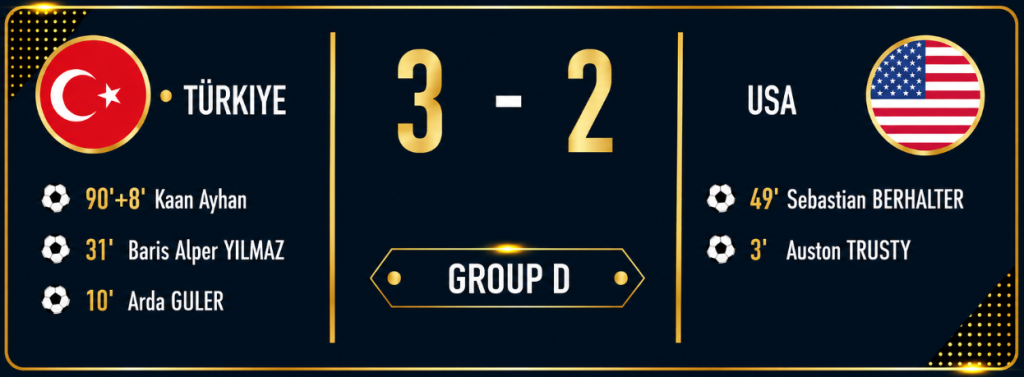
12:00pm AEST — Türkiye vs USA


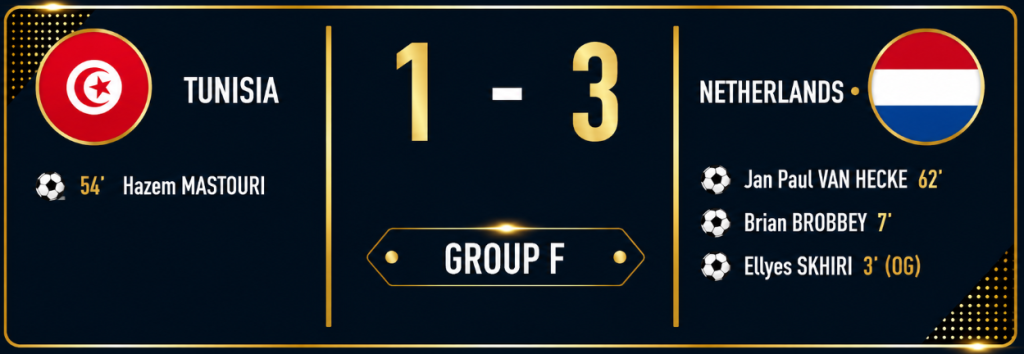
9:00am AEST — Tunisia vs Netherlands


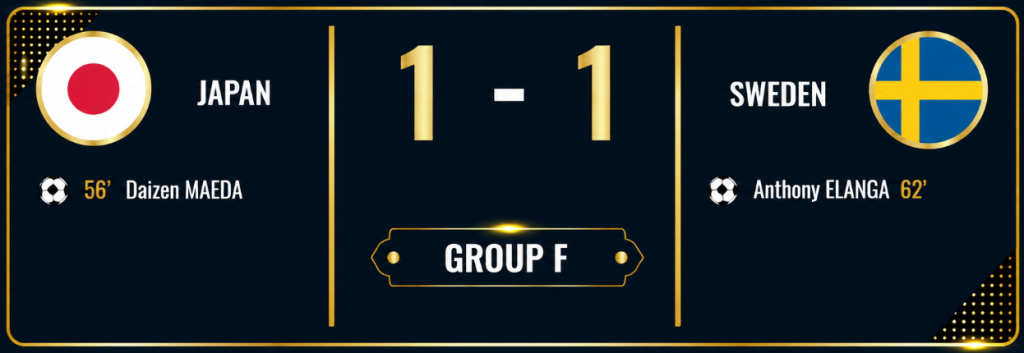
9:00am AEST — Japan vs Sweden


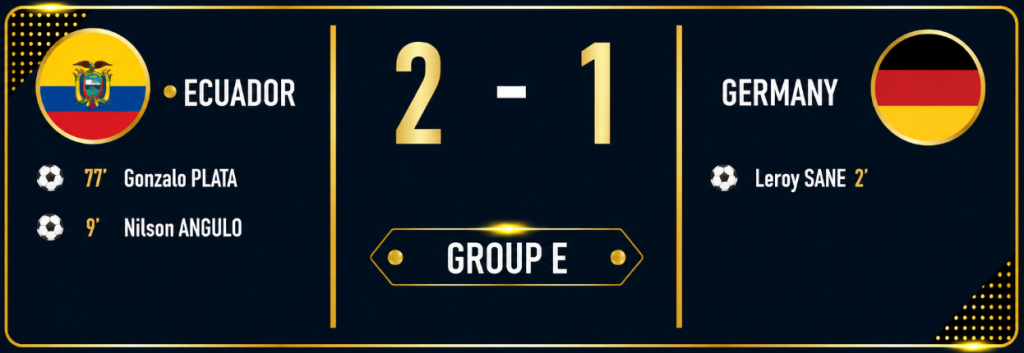
6:00am AEST — Ecuador vs Germany


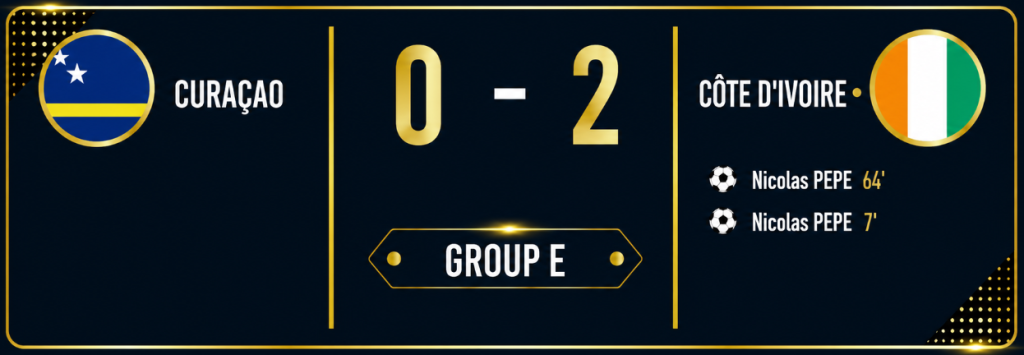
6:00am AEST — Curaçao vs Côte d’Ivoire


Thursday, June 25

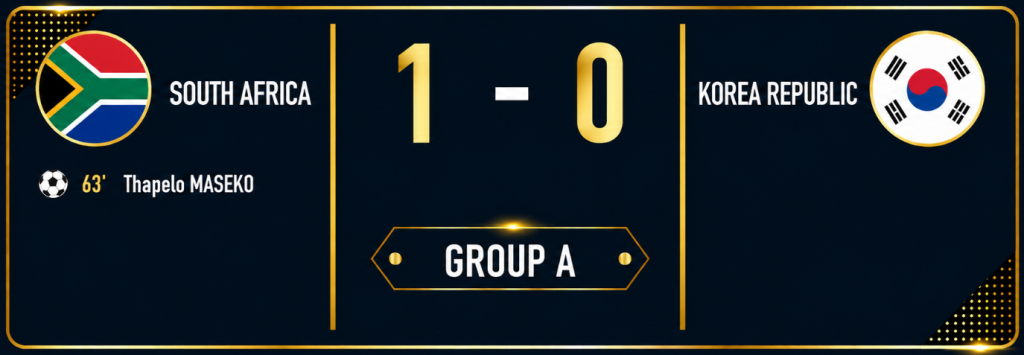
11:00am AEST — South Africa vs Korea Republic


11:00am AEST — Czechia vs Mexico


8:00am AEST — Morocco vs Haiti


8:00am AEST — Scotland vs Brazil


5:00am AEST — Bosnia and Herzegovina vs Qatar


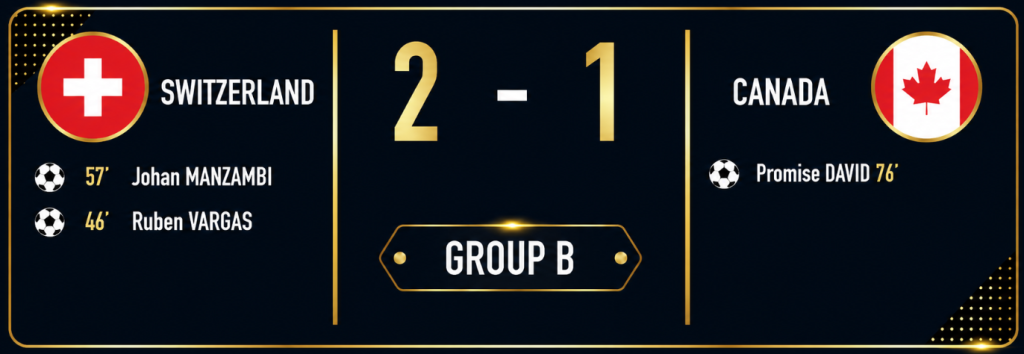
5:00am AEST — Switzerland vs Canada


Wednesday, June 24

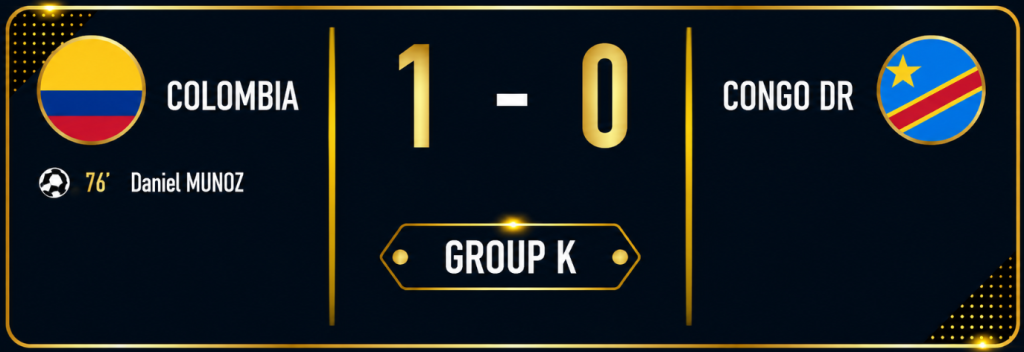
12:00pm AEST — Colombia vs Congo DR


9:00am AEST — Panama vs Croatia


6:00am AEST — England vs Ghana


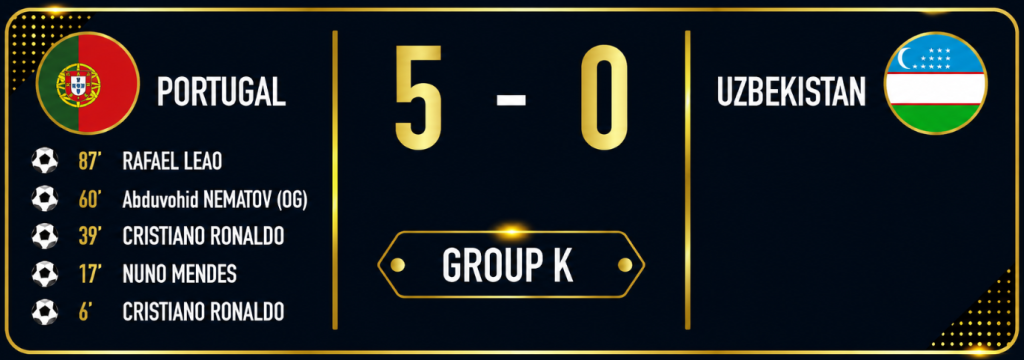
3:00am AEST — Portugal vs Uzbekistan


Tuesday, June 23

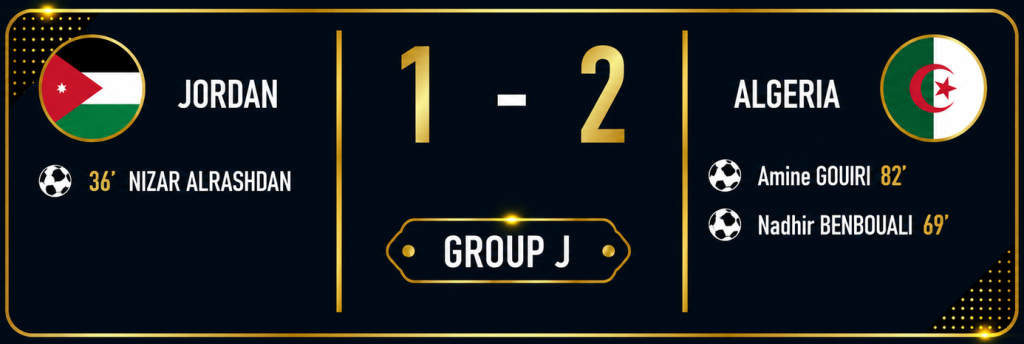
1:00pm AEST — Jordan vs Algeria


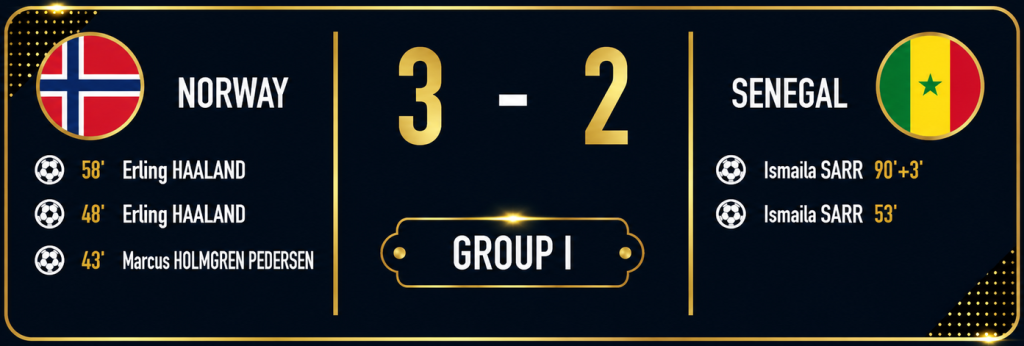
10:00am AEST — Norway vs Senegal


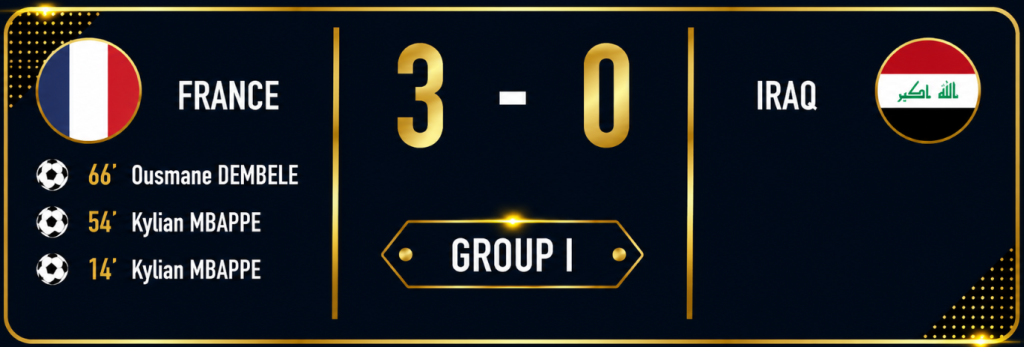
7:00am AEST — France vs Iraq


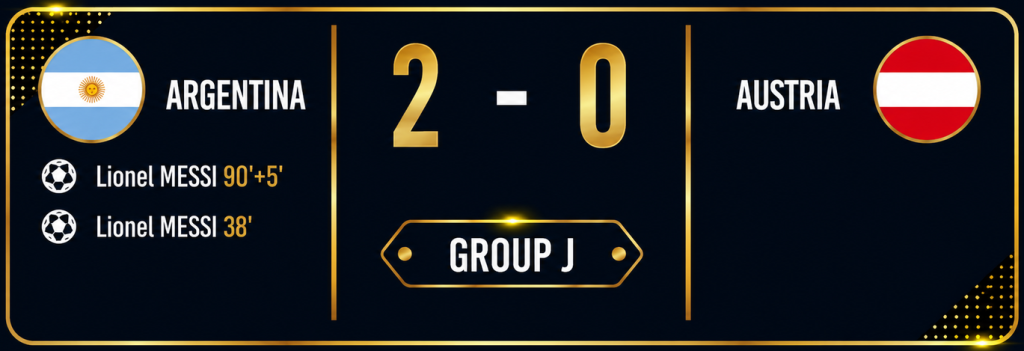
3:00am AEST — Argentina vs Austria


Monday, June 22

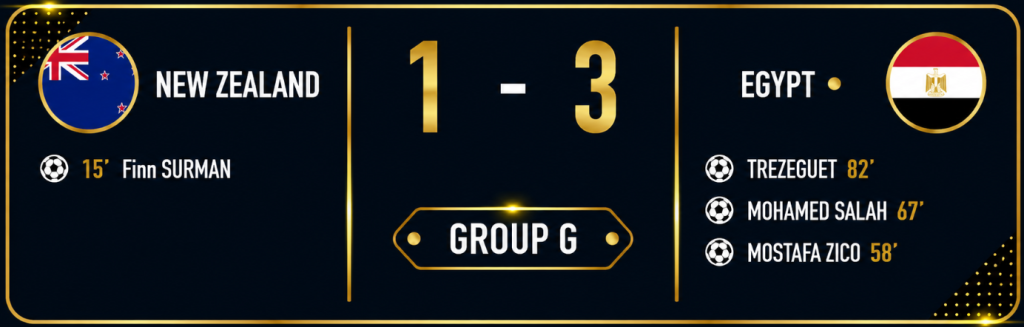
11:00am AEST — New Zealand vs Egypt


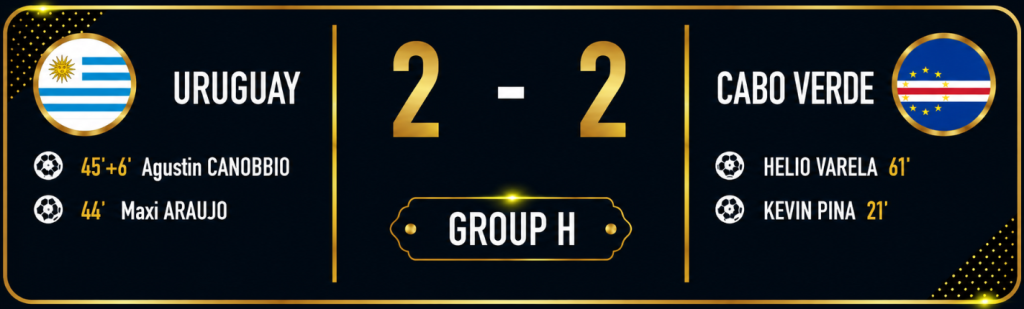
8:00am AEST — Uruguay vs Cabo Verde


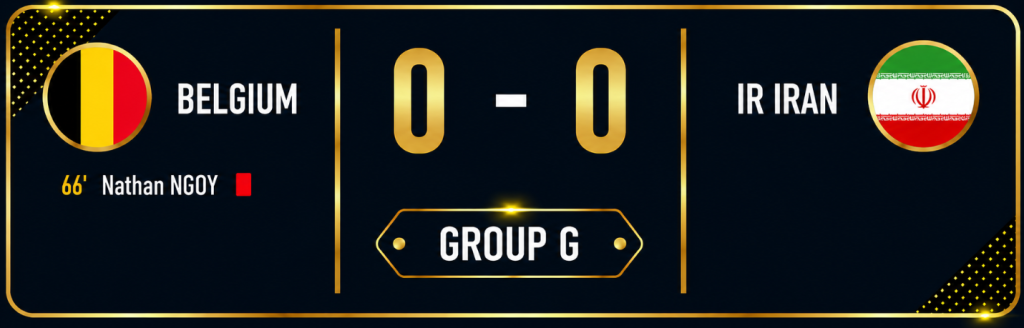
5:00am AEST — Belgium vs Iran


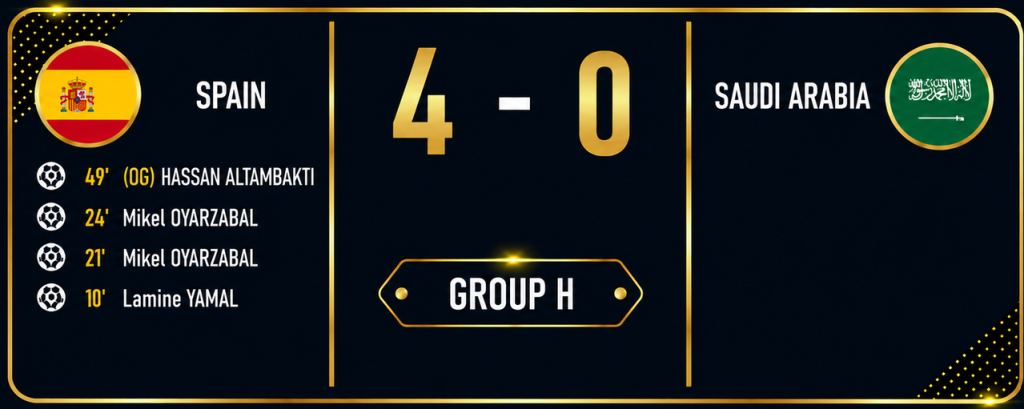
2:00am AEST — Spain vs Saudi Arabia


Sunday, June 21

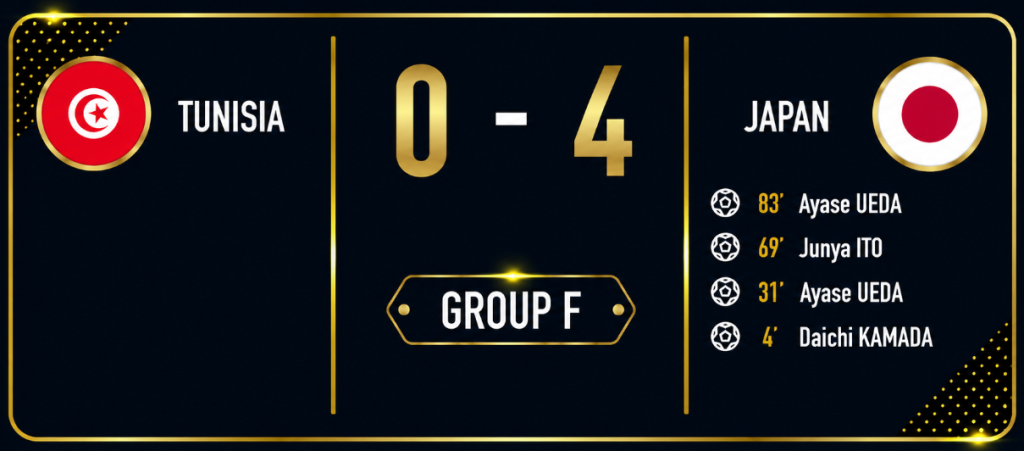
2:00pm AEST — Tunisia vs Japan


10:00am AEST — Ecuador vs Curaçao


6:00am AEST — Germany vs Côte d’Ivoire


3:00am AEST — Netherlands vs Sweden


Saturday, June 20

1:00pm AEST — Türkiye vs Paraguay


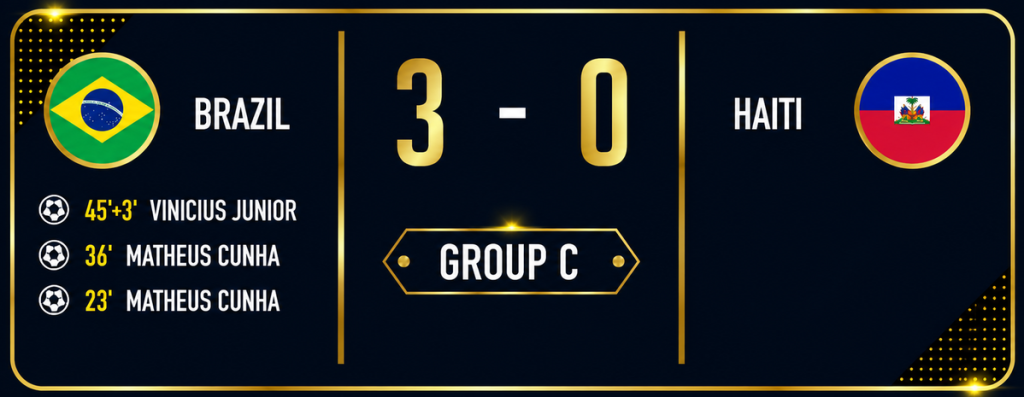
10:30am AEST — Brazil vs Haiti


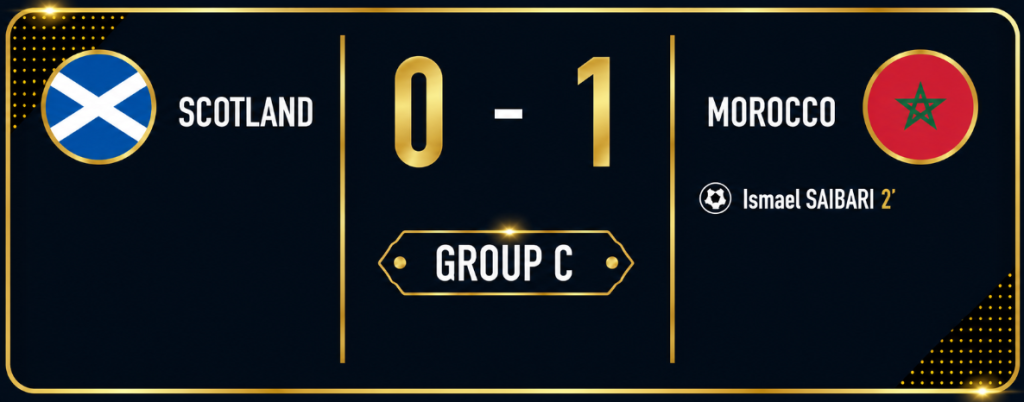
8:00am AEST — Scotland vs Morocco


5:00am AEST — USA vs AUSTRALIA


Friday, June 19

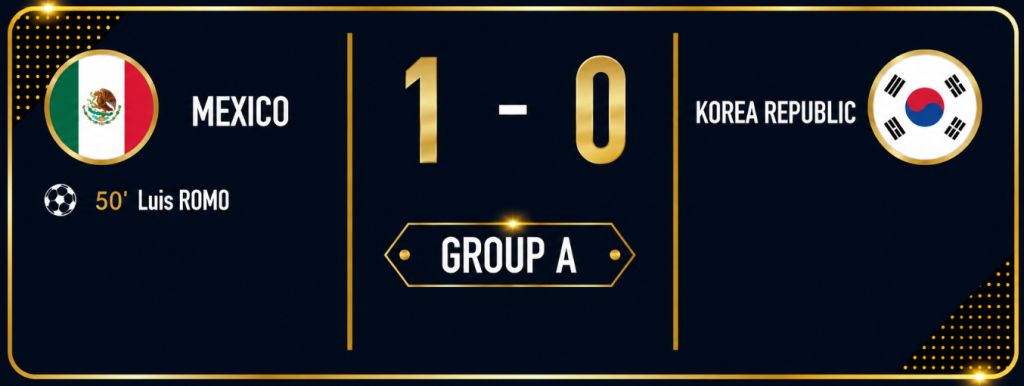
11:00am AEST — Mexico vs Korea Republic


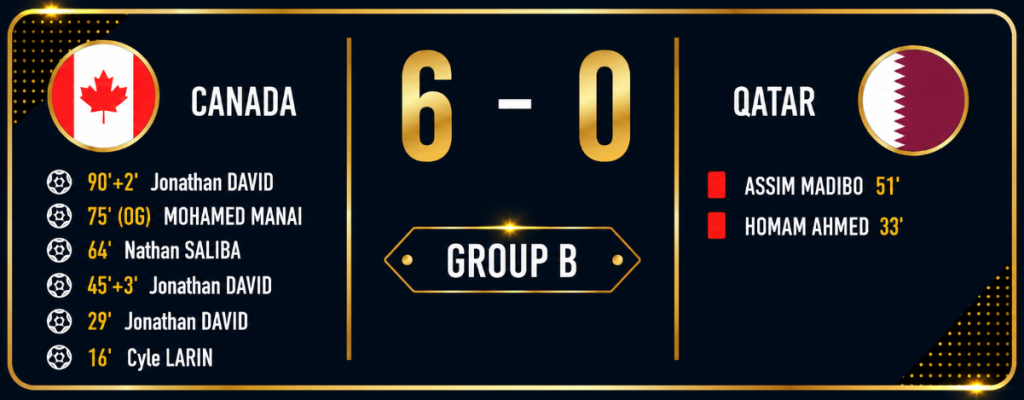
8:00am AEST — Canada vs Qatar


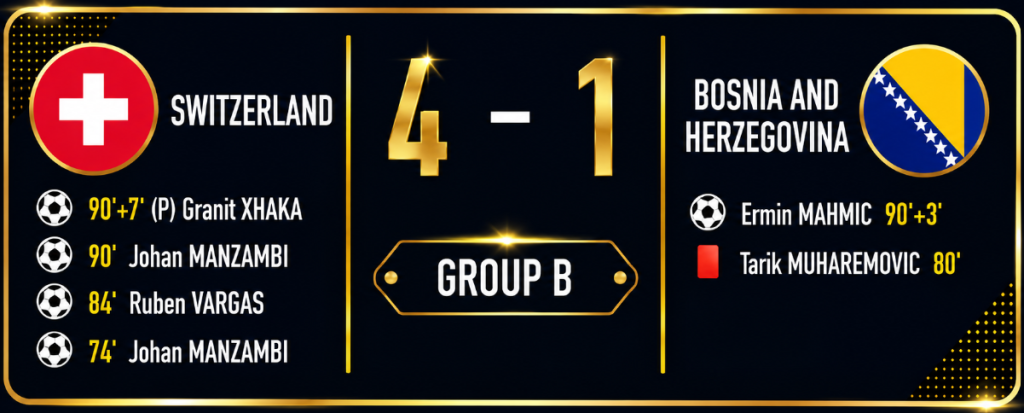
5:00am AEST — Switzerland vs Bosnia and Herzegovina


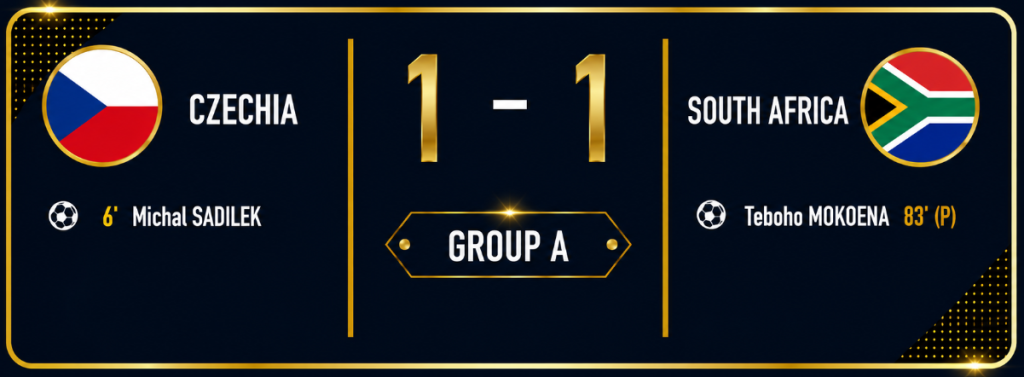
2:00am AEST — Czechia vs South Africa


Thursday, June 18

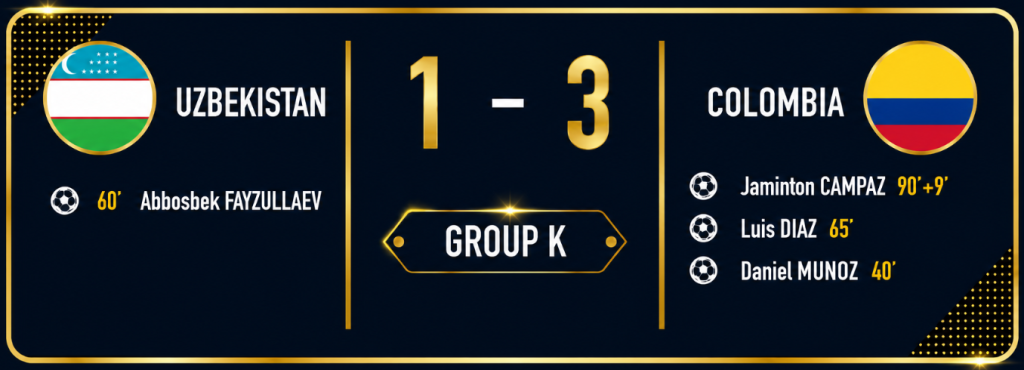
12:00pm AEST — Uzbekistan vs Colombia


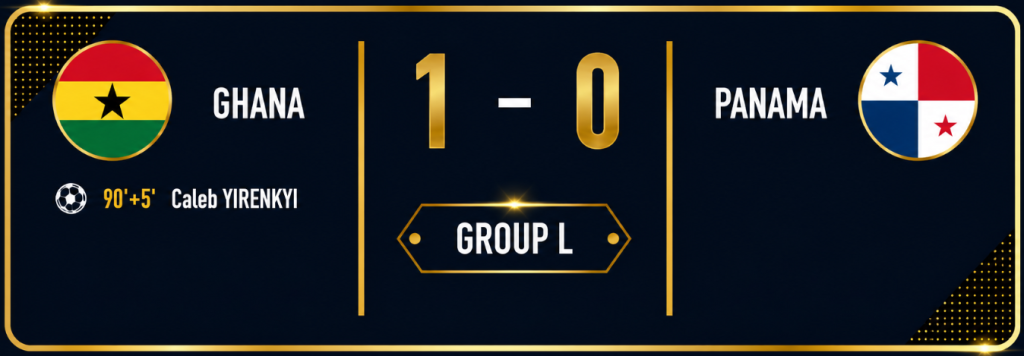
9:00am AEST — Ghana vs Panama


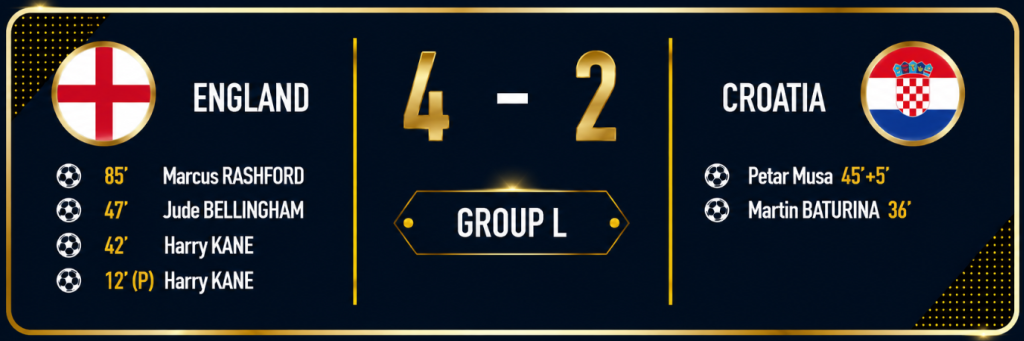
6:00am AEST — England vs Croatia


3:00am AEST — Portugal vs Congo DR


Wednesday, June 17

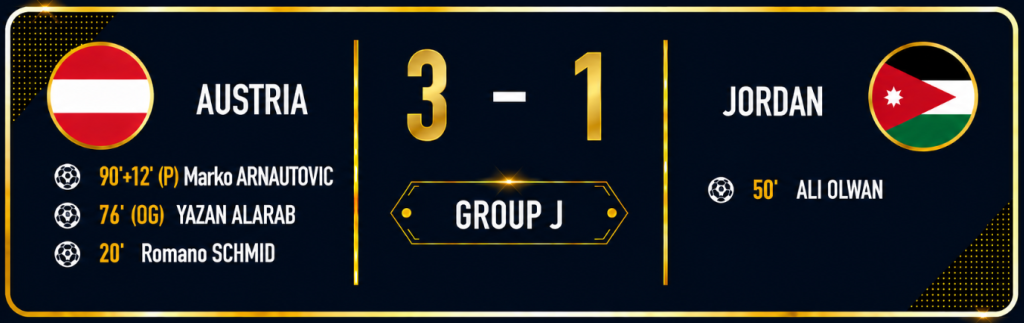
2:00pm AEST — Austria vs Jordan


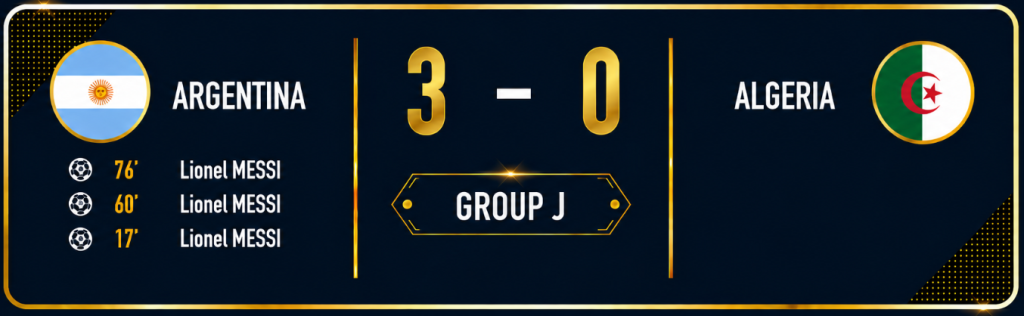
11:00am AEST — Argentina vs Algeria


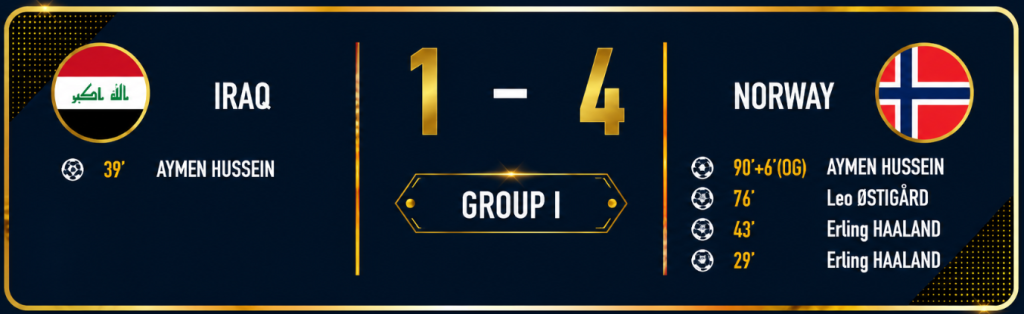
8:00am AEST — Iraq vs Norway


5:00am AEST — France vs Senegal


Tuesday, June 16

11:00am AEST — Iran vs New Zealand


8:00am AEST — Saudi Arabia vs Uruguay


5:00am AEST — Belgium vs Egypt


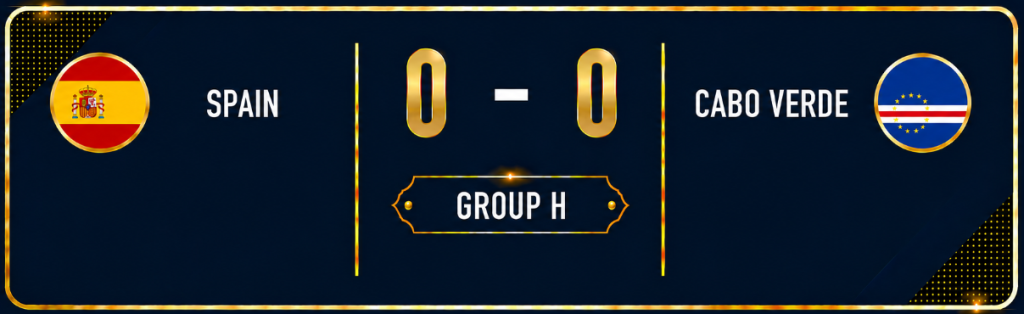
2:00am AEST — Spain vs Cabo Verde


Monday, June 15

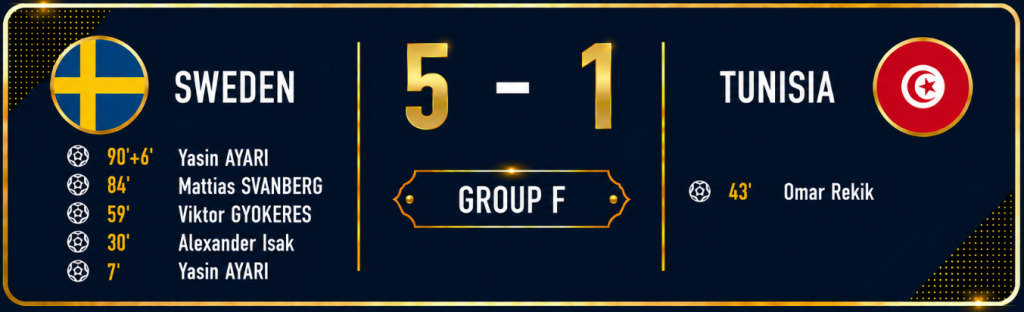
12:00pm AEST — Sweden vs Tunisia


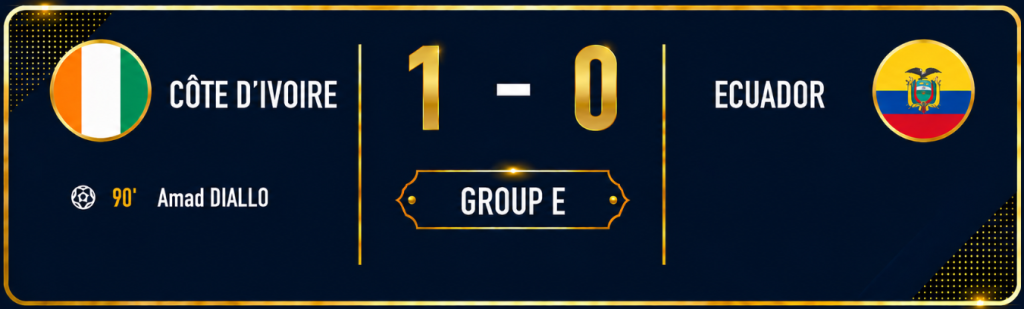
9:00am AEST — Côte d’Ivoire vs Ecuador


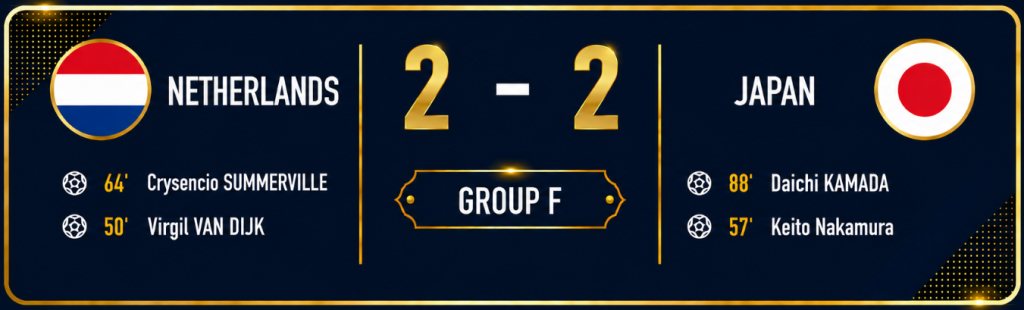
6:00am AEST — Netherlands vs Japan


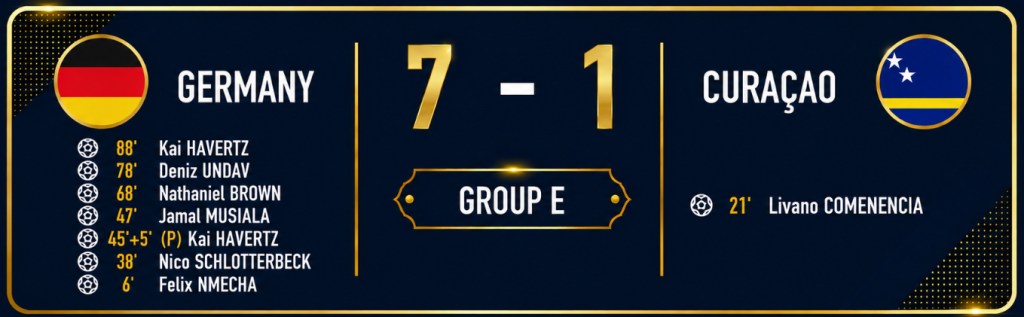
3:00am AEST — Germany vs Curaçao


Sunday, June 14

2:00pm AEST — Australia vs Türkiye


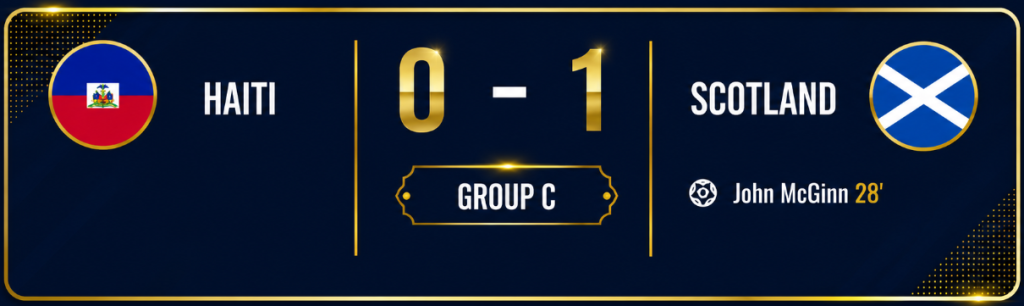
11:00am AEST — Haiti vs Scotland


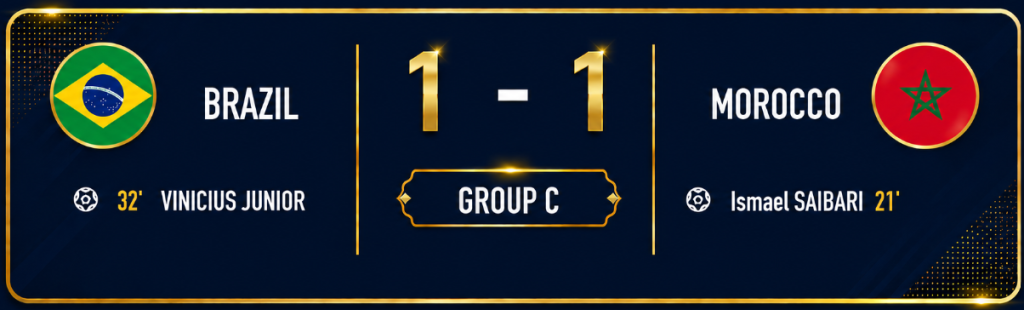
8:00am AEST — Brazil vs Morocco


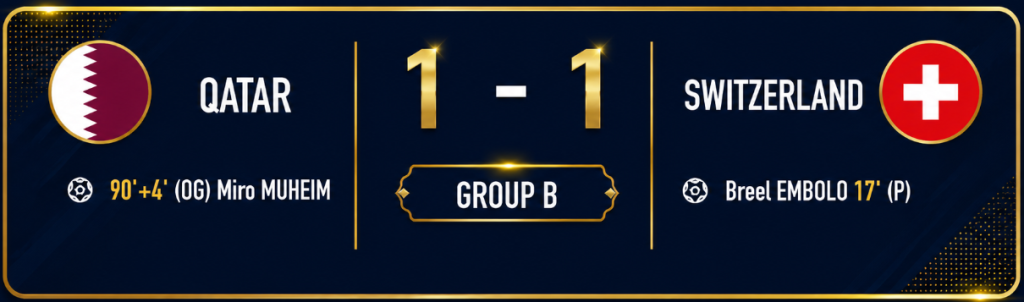
5:00am AEST — Qatar vs Switzerland


Saturday, June 13

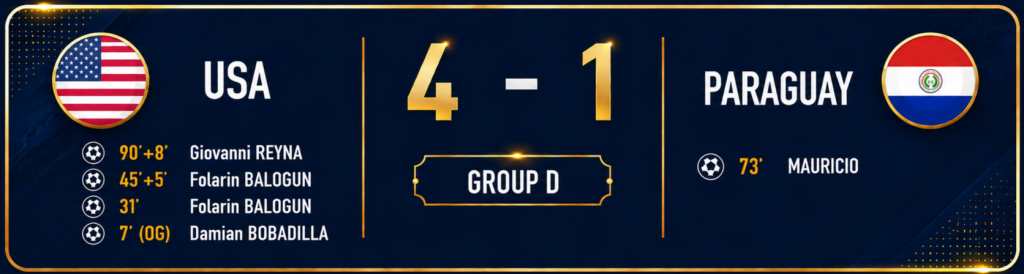
11:00am AEST — USA vs Paraguay


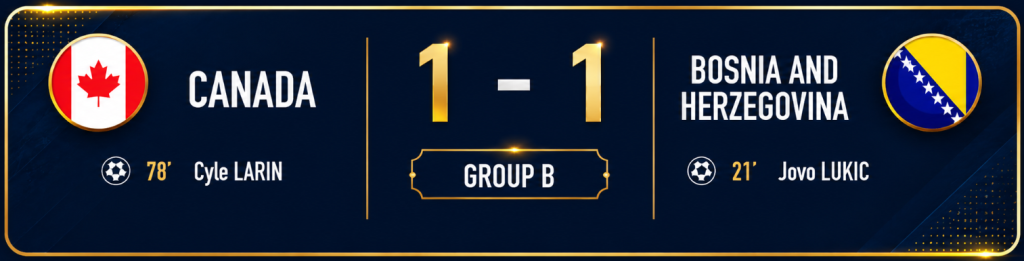
5:00am AEST — Canada vs Bosnia and Herzegovina


Friday, June 12

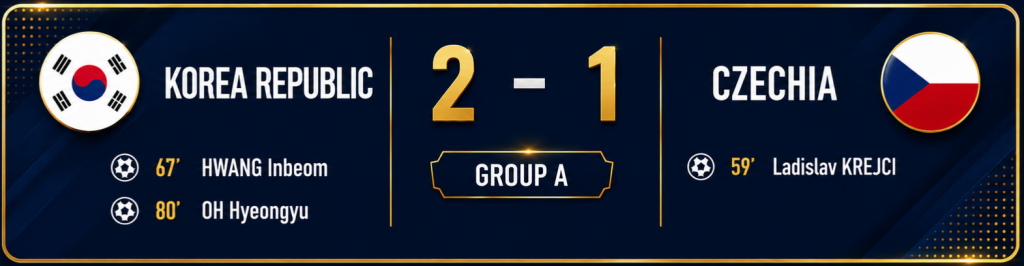
12:00pm AEST — Korea Republic vs Czechia


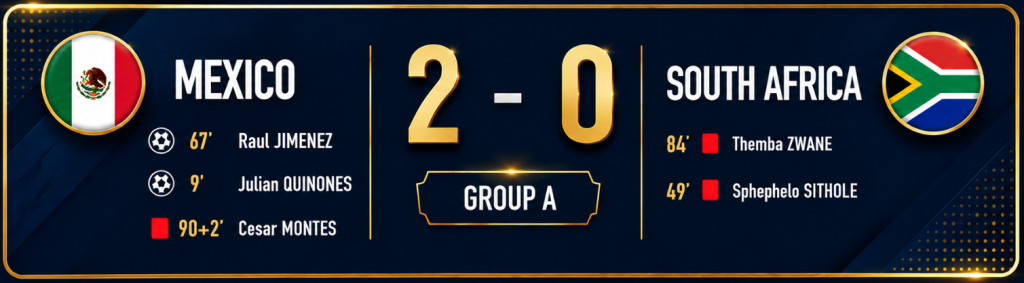
5:00am AEST — Mexico vs South Africa


MATCH SCHEDULES

All kick-off times are listed in Australian Eastern Standard Time (AEST) and derived from FIFA’s official match schedule as of 12-June-2026.


Key Socceroos Fixtures (AEST)

Sunday, June 14

2:00pm AEST — Australia (2) vs Türkiye (0)
Vancouver Stadium

Saturday, June 20

5:00am AEST — USA (2) vs Australia (0)
Seattle Stadium

Friday, June 26

12:00pm AEST — Paraguay (0) vs Australia (0)
San Francisco Bay Area Stadium


WEEK 1: GROUP STAGE — MATCHDAYS 1 & 2

June 12–18

Friday, June 12

5:00am AEST Mexico (2) vs South Africa (0)
12:00pm AEST | Korea Republic (2) vs Czechia (1)

Saturday, June 13

5:00am AEST — Canada (1) vs Bosnia and Herzegovina (1)
11:00am AEST — USA (4) vs Paraguay (1)

Sunday, June 14

5:00am AEST — Qatar (1) vs Switzerland (1)
8:00am AEST — Brazil (1) vs Morocco (1)
11:00am AEST — Haiti (0) vs Scotland (1)

🇦🇺 SOCCEROOS
2:00pm AEST — AUSTRALIA (2) vs TÜRKİYE (0)

Monday, June 15

3:00am AEST — Germany (7) vs Curaçao (1)
6:00am AEST — Netherlands (2) vs Japan (2)
9:00am AEST — Côte d’Ivoire (1) vs Ecuador (0)
12:00pm AEST — Sweden (5) vs Tunisia (1)

Tuesday, June 16

2:00am AEST — Spain (0) vs Cabo Verde (0)
5:00am AEST — Belgium (1) vs Egypt (1)
8:00am AEST — Saudi Arabia (1) vs Uruguay (1)
11:00am AEST — Iran (2) vs New Zealand (2)

Wednesday, June 17

5:00am AEST — France (3) vs Senegal (1)
8:00am AEST — Iraq (1) vs Norway (4)
11:00am AEST — Argentina (3) vs Algeria (0)
2:00pm AEST — Austria (3) vs Jordan (1)

Thursday, June 18

3:00am AEST — Portugal (1) vs Congo DR (1)
6:00am AEST — England (4) vs Croatia (2)
9:00am AEST — Ghana (1) vs Panama (1)
12:00pm AEST — Uzbekistan (1) vs Colombia (3)


WEEK 2: GROUP STAGE — MATCHDAYS 2 & 3

June 19–25

Friday, June 19

2:00am AEST — Czechia (1) vs South Africa (1)
5:00am AEST — Switzerland (4) vs Bosnia and Herzegovina (1)
8:00am AEST — Canada (6) vs Qatar (0)
11:00am AEST — Mexico (1) vs Korea Republic (0)

Saturday, June 20

🇦🇺 SOCCEROOS
5:00am AEST — USA (2) vs AUSTRALIA (0)

8:00am AEST — Scotland (0) vs Morocco (1)
10:30am AEST — Brazil (3) vs Haiti (0)
1:00pm AEST — Türkiye (0) vs Paraguay (1)

Sunday, June 21

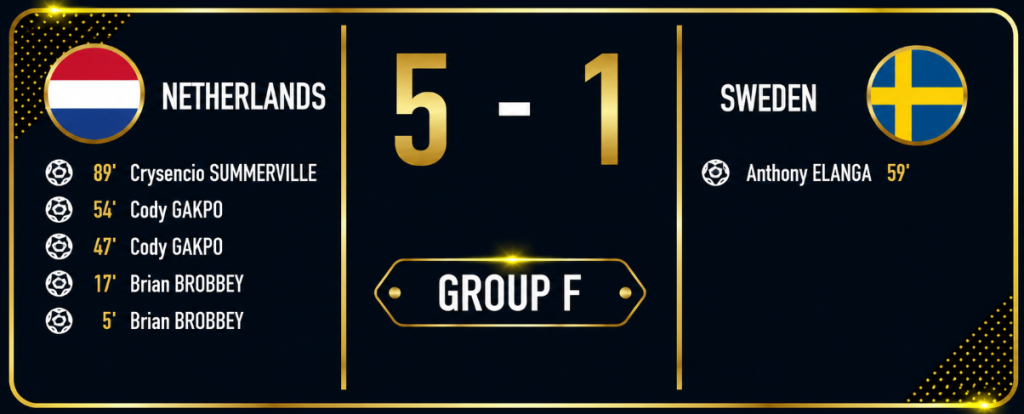
3:00am AEST — Netherlands (5) vs Sweden (1)
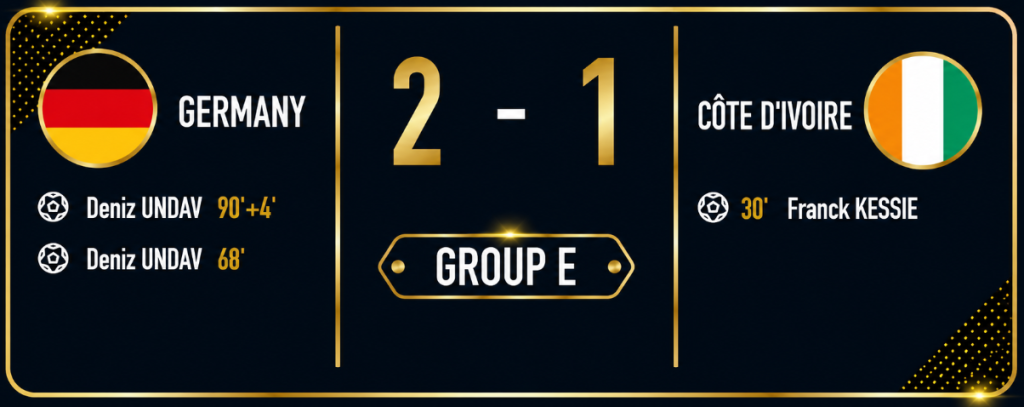
6:00am AEST — Germany (2) vs Côte d’Ivoire (1)
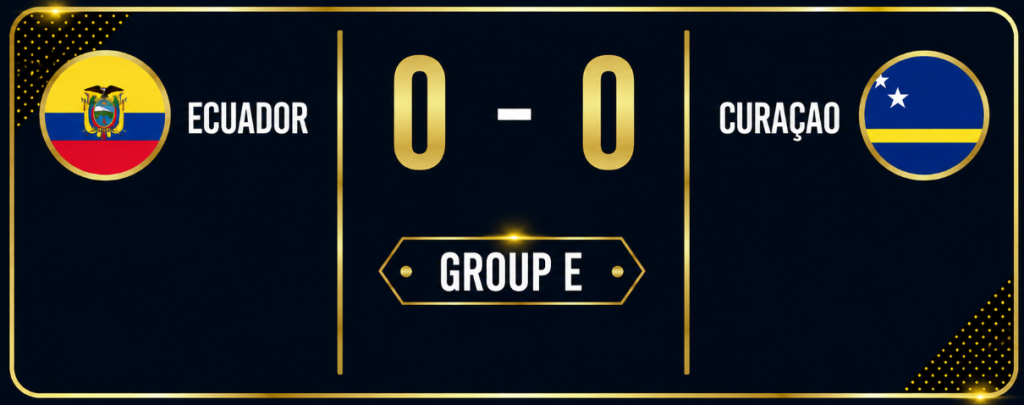
10:00am AEST — Ecuador (0) vs Curaçao (0)
2:00pm AEST — Tunisia (0) vs Japan (4)

Monday, June 22

2:00am AEST — Spain (4) vs Saudi Arabia (0)
5:00am AEST — Belgium (0) vs Iran (0)
8:00am AEST — Uruguay (2) vs Cabo Verde (2)
11:00am AEST — New Zealand (1) vs Egypt (3)

Tuesday, June 23

3:00am AEST — Argentina (2) vs Austria (0)
7:00am AEST — France (3) vs Iraq (0)
10:00am AEST — Norway (3) vs Senegal (2)
1:00pm AEST — Jordan (1) vs Algeria (2)

Wednesday, June 24

3:00am AEST — Portugal (5) vs Uzbekistan (0)
6:00am AEST — England (0) vs Ghana (0)
9:00am AEST — Panama (0) vs Croatia (1)
12:00pm AEST — Colombia (1) vs Congo DR (0)

Thursday, June 25

5:00am AEST — Switzerland (2) vs Canada (1)
5:00am AEST — Bosnia and Herzegovina (3) vs Qatar (1)
8:00am AEST — Scotland (0) vs Brazil (3)
8:00am AEST — Morocco (4) vs Haiti (2)
11:00am AEST — Czechia (0) vs Mexico (3)
11:00am AEST — South Africa (1) vs Korea Republic (0)


WEEK 3: GROUP STAGE DECIDERS

June 26–28

Friday, June 26

🇦🇺 SOCCEROOS
12:00pm AEST — PARAGUAY (0) vs AUSTRALIA (0)

6:00am AEST — Curaçao (0) vs Côte d’Ivoire (2)
6:00am AEST — Ecuador (2) vs Germany (1)
9:00am AEST — Japan (1) vs Sweden (1)
9:00am AEST — Tunisia (1) vs Netherlands (3)
12:00pm AEST — Türkiye (3) vs USA (2)

Saturday, June 27

5:00am AEST — Norway (1) vs France (4)
5:00am AEST — Senegal (5) vs Iraq (0)
10:00am AEST — Cabo Verde (0) vs Saudi Arabia (0)
10:00am AEST — Uruguay (0) vs Spain (1)
1:00pm AEST — Egypt (1) vs Iran (1)
1:00pm AEST — New Zealand (1) vs Belgium (5)

Sunday, June 28

7:00am AEST — Panama (0) vs England (2)
7:00am AEST — Croatia (2) vs Ghana (1)
9:30am AEST — Colombia (0) vs Portugal (0)
9:30am AEST — Congo DR (3) vs Uzbekistan (1)
12:00pm AEST — Algeria (3) vs Austria (3)
12:00pm AEST — Jordan (1) vs Argentina (3)


WEEK 4: ROUND OF 32

June 29 – July 4

Monday, June 29

5:00am AEST — South Africa (0) vs Canada (1)

Tuesday, June 30

3:00am AEST — Brazil (2) vs Japan (1)
6:30am AEST — Germany (3) (1) vs Paraguay (4) (1)
11:00am AEST — Netherlands (2) (1) vs Morocco (3) (1)

Wednesday, July 1

3:00am AEST — Cote D’Ivoire (1) vs Norway (2)
7:00am AEST — France (3) vs Sweden (0)
11:00am AEST — Mexico (2) vs Ecuador (0)

Thursday, July 2

2:00am AEST — England (2) vs Congo DR (1)
6:00am AEST — Belgium (3) vs Senegal (2)
10:00am AEST — USA (2) vs Bosnia and Herzegovina (0)

Friday, July 3

5:00am AEST — Spain (3) vs Austria (0)
9:00am AEST — Portugal (2) vs Croatia (1)
1:00pm AEST — Switzerland (2) vs Algeria (0)

Saturday, July 4

4:00am AEST — Australia (2) (1) vs Egypt (4) (1)
8:00am AEST — Argentina (3) vs Cabo Verde (2)
11:30am AEST — Colombia (1) vs Ghana (0)

Sunday, July 5

1:00am AEST — Canada (0) vs Morocco (3)
5:00am AEST — Paraguay (0) vs France (1)


WEEK 5: ROUND OF 16

July 6–8

Sunday, July 5

1:00am AEST — Canada (0) vs Morocco (3)
5:00am AEST — Paraguay (0) vs France (1)

Monday, July 6

6:00am AEST — Brazil (1) vs Norway (2)
10:00am AEST — Mexico (2) vs England (3)

Tuesday, July 7

5:00am AEST — Portugal (0) vs Spain (1)
10:00am AEST — USA (1) vs Belgium (4)

Wednesday, July 8

2:00am AEST — Argentina (3) vs Egypt (2)
6:00am AEST — Switzerland (4) (0) vs Colombia (0) (3)


WEEK 6: FINALS SERIES

July 10–20

Quarter-finals

Friday, July 10

6:00am AEST — France (2) vs Morocco (0)

Saturday, July 11

5:00am AEST — Spain (2) vs Belgium (1)

Sunday, July 12

7:00am AEST — Norway (1) vs England (2)
11:00am AEST — Argentina (3) vs Switzerland (1)

Semi-finals

Wednesday, July 15

5:00am AEST — France (0) vs Spain (2)

Thursday, July 16

5:00am AEST — England (1) vs Argentina (2)

Third-Place Play-off

Sunday, July 19

7:00am AEST — France (4) vs England (6)
Miami Stadium

FIFA WORLD CUP FINAL

Monday, July 20

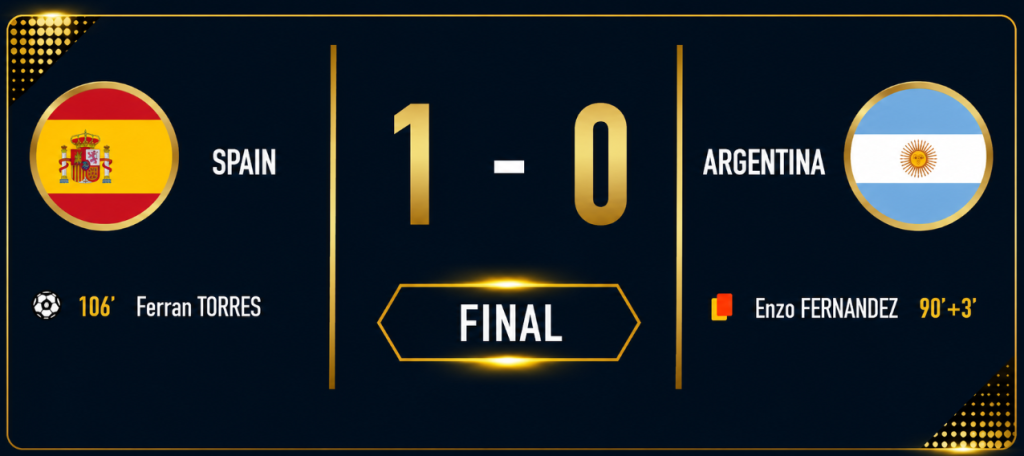
5:00am AEST — Spain (1) vs Argentina (0)
New York New Jersey Stadium

Restored Willards Farm Becomes a Living Link to Birkdale’s Early Years

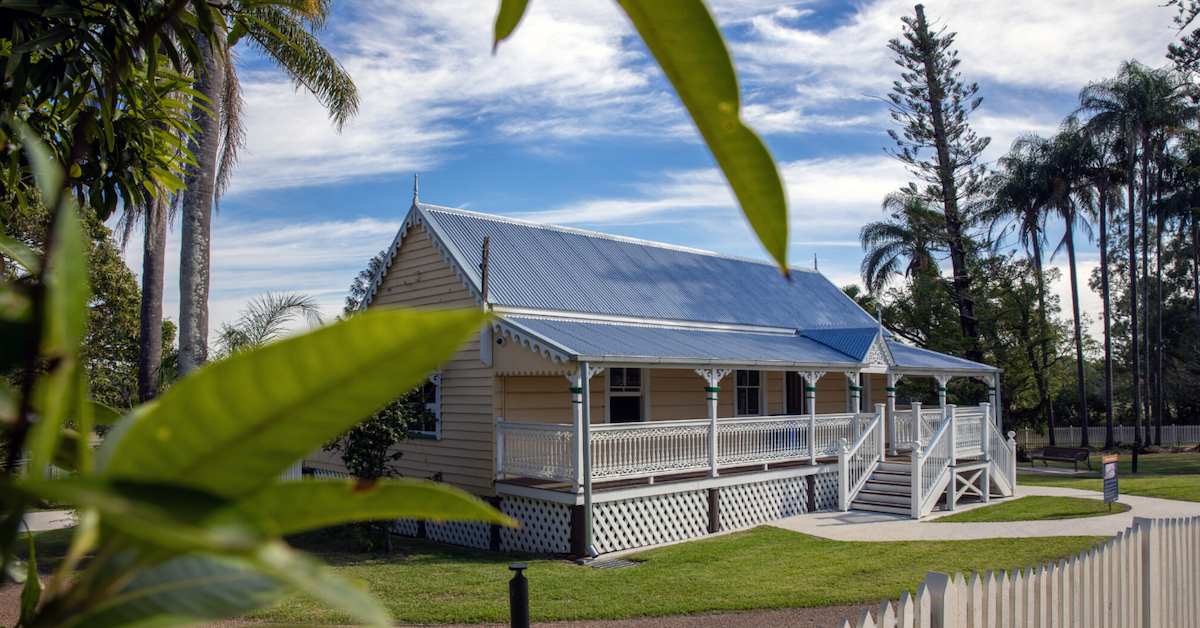
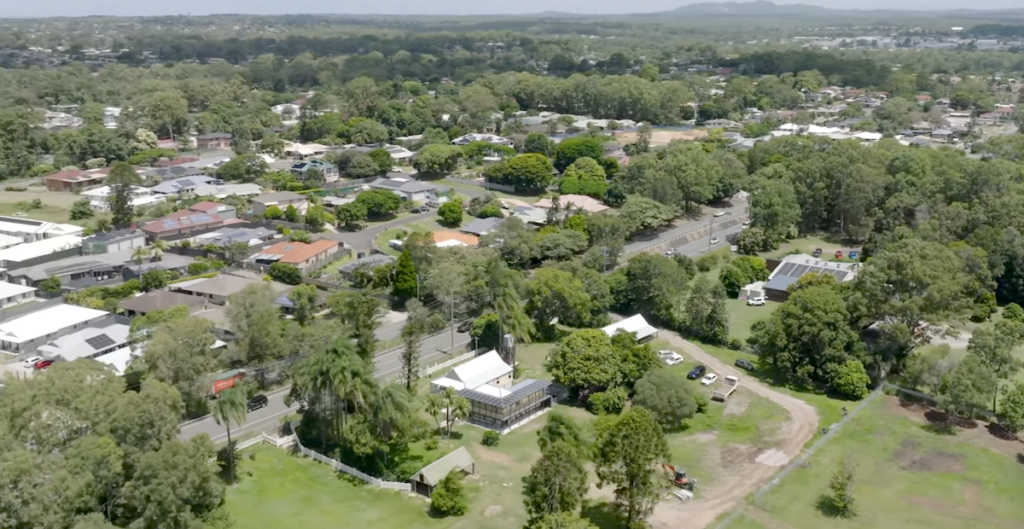
Inside Willards Farm in Birkdale, visitors are finding more than a restored Queensland farmhouse. The heritage-listed property is giving Redlands Coast residents a rare chance to walk through one of the region’s last surviving farming homes while learning about the families, workers and communities connected to the land across generations.


Tours of the site began in May 2026 after years of restoration work led by Redland City Council. Guided by Council’s Library Local History Adviser, visitors move through the farmhouse and surrounding buildings while hearing stories linked to the property and the wider development of the Redlands district.

Photo Credit: RedlandCityCouncil/YouTube

Restoring one of Redlands’ last surviving farmhouses

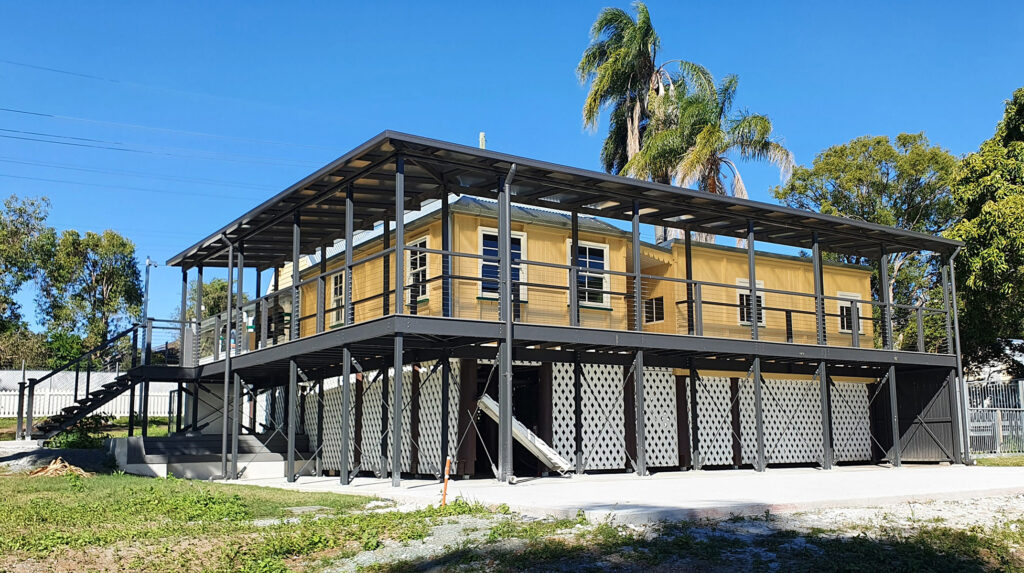
When Redland City Council purchased Willards Farm in 2016, the farmhouse had deteriorated over time and required significant restoration to preserve the structure.

According to official council updates, heritage specialists worked to return the property as closely as possible to its earlier condition while protecting original features throughout the site.

The farmhouse is regarded as one of the last remaining examples of the area’s early farming history. Long before residential growth transformed much of the bayside region, properties such as Willards Farm formed part of the agricultural landscape that supported local communities.

Mayor Jos Mitchell stated that preserving the property would allow future generations to experience an important part of the region’s past firsthand.

Photo Credit: RedlandCityCouncil

Tours uncover stories behind the property

The first public tours focused not only on the restored buildings but also on the people whose lives were connected to the property. 

Tours place the farm within wider Queensland colonial history, including discussion of South Sea Islander labour and blackbirding during the 19th century. The term refers to the deceptive or forced recruitment of Pacific Islander labourers who were brought to parts of Australia during the colonial era.

Visitors are also introduced to local folklore connected to the property, including stories about a woman remembered in the district as the “Goat Lady”.

Together, the stories offer a broader picture of life in the region during a period when farming shaped much of the local economy and community life.

Farmhouse to become part of wider community precinct

Willards Farm sits within the Birkdale Community Precinct, where future community, cultural and environmental projects are planned. It is a future gateway to the precinct, linking the area’s history with new community spaces planned for the site in coming years.


Interest in the tours has highlighted strong community curiosity about places that connect present-day residents with the people and events that helped shape the Redlands Coast.


Published 29-May-2026
Featured Image Credit: RedlandCityCouncil

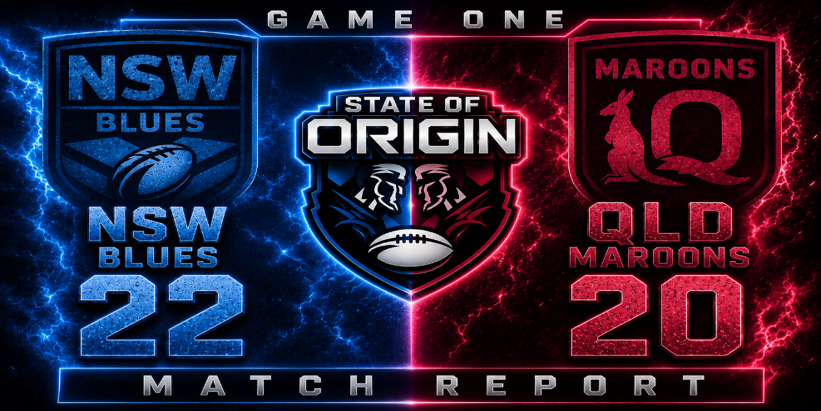
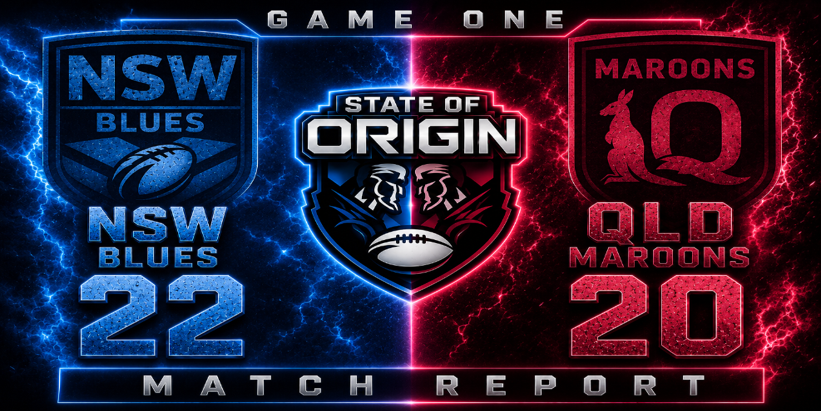
Maroons Heartbreak As Blues Rip Origin I Away In Stunning Sydney Comeback


MATCH REPORT

Published 27-May-2026


Devastating for the Maroons at Accor Stadium in Origin I.

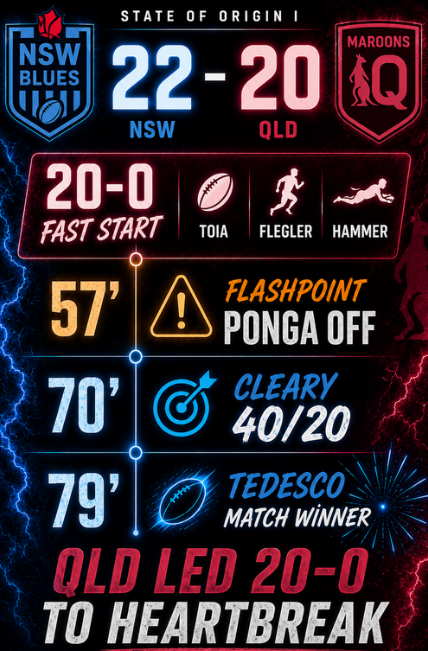
Kalyn Ponga’s sending off in a decision that immediately sparked controversy proved an enormous turning point. Andrew Johns was critical of the decision during commentary. It swung hard-fought momentum against Queensland, and the Blues produced an extraordinary final-minute play, with James Tedesco catching, juggling and grounding Nathan Cleary’s bomb.

For much of the night, Queensland looked in control.

Not just ahead on the scoreboard — in control of the contest itself. Their line speed was sharp, their middle forwards were winning collisions, Harry Grant was asking questions around the ruck, and Sam Walker, on debut in the most pressurised arena the game can offer, looked remarkably composed.

Then Origin did what Origin does.

It twisted.

A night that had looked set to become a major statement for Billy Slater instead became a brutal lesson in how quickly interstate football can turn when momentum shifts and belief takes hold.

Queensland led 20-0 after 20 minutes. They were still 20-6 ahead deep into the second half. And yet somehow, they walked away beaten 22-20.

That is the sort of loss that lingers.

Queensland Landed Every Early Blow

If there were doubts about Ponga getting the nod over Reece Walsh, or whether Walker was ready for this level, Queensland answered them quickly.

Robert Toia struck first in the ninth minute after early pressure forced the Blues into errors, and Walker converted.

It got worse for New South Wales from there.

Thomas Flegler, all aggression and direct running, punched through in the 14th minute after Queensland had started owning the middle. Selwyn Cobbo had already done damage with a strong carry in the lead-up, and the Blues suddenly looked rattled.

A few minutes later, Hamiso Tabuai-Fidow crossed as Queensland continued to punish sloppy New South Wales football.

Walker never missed.

By the time he added a penalty goal in the 20th minute, the Maroons were 20-0 up, and Accor Stadium had gone from loud to uneasy.

Queensland weren’t just scoring. They were dictating the terms.

Munster was playing direct. Grant was probing. Tino Fa’asuamaleaui and Flegler were bending the line. Even defensively, the Maroons looked connected and aggressive.

At that point, it genuinely felt like the Blues were in serious trouble.

New South Wales Hang Around

Origin, though, rarely gives you a clean night.

Hudson Young’s try in the 27th minute finally gave the Blues something tangible to work with, trimming the margin to 20-6 after Cleary’s conversion.

Even then, Queensland still looked the more settled side.

They defended repeat pressure well enough and took that lead into half-time without looking especially rattled. But if you were watching closely, there were hints the game was changing shape.

The Blues had started to spend more time in Queensland territory. Their attack still lacked polish, but the game had become less comfortable than the scoreboard suggested.

And once that happens in Origin, strange things tend to follow.

The Turning Point That Changed Everything

The defining moment came just before the hour mark.

Ponga was sent off for a shoulder charge in a decision that immediately lit up debate.

Whether you agreed with it or not, the practical effect was obvious. Queensland suddenly had to survive a critical passage under enormous pressure, a man short, against a side that had finally found some rhythm.

The Blues took advantage.

Ethan Strange crossed in the 62nd minute after Stephen Crichton’s break opened the Maroons up, although Cleary’s missed conversion meant Queensland still had breathing room at 20-10.

But the feel of the match had changed completely.

The crowd sensed it. The Blues sensed it. Queensland, perhaps, sensed it too.

Cleary’s 40/20 in the 70th minute was the moment the pressure became suffocating. It was a champion’s play, the kind that flips field position and emotional momentum in one strike.

Seconds later, he backed it up by slicing through himself.

20-16.

Now the Maroons were no longer managing a lead. They were trying to survive.

Queensland Let The Game Slip

The temptation will be to make this all about the Ponga send-off.

It was enormous. Lose a player in Origin, against a side with Nathan Cleary pulling the strings, and the pressure changes instantly.

But Queensland still had chances to steady themselves.

Instead, just when composure mattered most, the mistakes crept in.

Robert Toia lost the ball. Harry Grant conceded a costly penalty. Selwyn Cobbo came up with an error. Jojo Fifita spilled possession.

None of those moments, on their own, decide a match.

Together, though, they handed New South Wales exactly what it needed — territory, repeat sets, and belief.

That’s how these games can turn. Not always in one dramatic flash, but in small moments where control slips away and suddenly the team chasing starts to smell something.

By the time Cleary launched that final bomb, Queensland no longer looked like a side closing out a win. They looked like a side trying desperately to survive.

And when Tedesco somehow came down with it — juggling, regathering, grounding — it felt like the kind of moment Origin keeps in its vault for years.

Queensland will argue the turning point. They’ll replay the send-off. They’ll point to what might have been.

But the harder truth is this: they had this game.

And they let it get away.


Published 26-May-2026

Origin Opener Set For Sydney Showdown As New-Look Maroons Eye Early Blow

The first round of Origin is here.

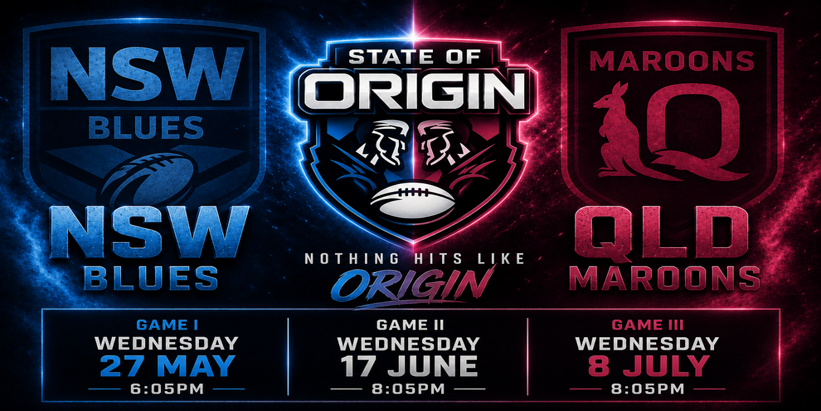
For 2026, State of Origin starts at Accor Stadium in Sydney, before heading to the MCG for Game II and Suncorp Stadium for the decider.

The 2026 State of Origin series is the 45th edition of the men’s interstate best-of-three rivalry, with Queensland entering the campaign holding the historical edge — 25 series wins to New South Wales’ 17, with two series drawn.
For the Maroons, Kalyn Ponga has been selected over Reece Walsh by Billy Slater, while Sam Walker makes his Origin debut in place of the injured Tom Dearden. Max Plath debuts, with Jojo Fifita and Briton Nikora earning their first Maroons selections.

For the Blues, James Tedesco keeps Dylan Edwards out at fullback, while Laurie Daly has opted for Tolutau Koula out of position on the wing ahead of Zac Lomax and Jacob Kiraz. Injury to Mitchell Moses means Ethan Strange will start, while Addin Fonua-Blake finally gets his Origin debut.

The Maroons have won only two of their past 10 Origin games in Sydney, although one of those victories came last year.

Can Queensland pressure Strange enough to cut off quality ball to Nathan Cleary?

New South Wales appears to hold the upper hand through the middle, but Pat Carrigan and Tino Fa’asuamaleaui will relish that challenge.

Cleary versus Walker. Strange versus Munster.

Can Harry Grant put the Maroons on the front foot with his creativity around the ruck?

Can Max Plath and Hamiso Tabuai-Fidow reproduce their Dolphin’s NRL form on the Origin stage?

This shapes as a classic Origin arm wrestle, with Queensland having won six of the past 10 series.

The game will be broadcast live on 9Now, with kick-off at 8.05pm.

New South Wales Blues

  1. James Tedesco
  2. Brian To’o
  3. Stephen Crichton
  4. Kotoni Staggs
  5. Tolutau Koula
  6. Ethan Strange
  7. Nathan Cleary
  8. Addin Fonua-Blake
  9. Reece Robson
  10. Mitch Barnett
  11. Hudson Young
  12. Haumole Olakau’atu
  13. Isaah Yeo

Interchange

  1. Cameron Murray
  2. Victor Radley
  3. Jacob Saifiti
  4. Blayke Brailey

Extended squad

  1. Casey McLean
  2. Dylan Lucas
  3. Matt Burton

Coach

Laurie Daley


Queensland Maroons

  1. Kalyn Ponga
  2. Selwyn Cobbo
  3. Robert Toia
  4. Hamiso Tabuai-Fidow
  5. Jojo Fifita
  6. Cameron Munster
  7. Sam Walker
  8. Tom Flegler
  9. Harry Grant
  10. Tino Fa’asuamaleaui
  11. Reuben Cotter
  12. Kurt Capewell
  13. Max Plath

Interchange

  1. Briton Nikora
  2. Lindsay Collins
  3. Patrick Carrigan
  4. Trent Loiero

Extended squad

  1. Ezra Mam
  2. Gehamat Shibasaki
  3. Kulikefu Finefeuiaki

Coach

Billy Slater

Origin Opener Set For Sydney Showdown As New-Look Maroons Eye Early Blow

The first round of Origin is here.

For 2026, State of Origin starts at Accor Stadium in Sydney, before heading to the MCG for Game II and Suncorp Stadium for the decider.

The 2026 State of Origin series is the 45th edition of the men’s interstate best-of-three rivalry, with Queensland entering the campaign holding the historical edge — 25 series wins to New South Wales’ 17, with two series drawn.
For the Maroons, Kalyn Ponga has been selected over Reece Walsh by Billy Slater, while Sam Walker makes his Origin debut in place of the injured Tom Dearden. Max Plath debuts, with Jojo Fifita and Briton Nikora earning their first Maroons selections.

For the Blues, James Tedesco keeps Dylan Edwards out at fullback, while Laurie Daly has opted for Tolutau Koula out of position on the wing ahead of Zac Lomax and Jacob Kiraz. Injury to Mitchell Moses means Ethan Strange will start, while Addin Fonua-Blake finally gets his Origin debut.

The Maroons have won only two of their past 10 Origin games in Sydney, although one of those victories came last year.

Can Queensland pressure Strange enough to cut off quality ball to Nathan Cleary?

New South Wales appears to hold the upper hand through the middle, but Pat Carrigan and Tino Fa’asuamaleaui will relish that challenge.

Cleary versus Walker. Strange versus Munster.

Can Harry Grant put the Maroons on the front foot with his creativity around the ruck?

Can Max Plath and Hamiso Tabuai-Fidow reproduce their Dolphin’s NRL form on the Origin stage?

This shapes as a classic Origin arm wrestle, with Queensland having won six of the past 10 series.

The game will be broadcast live on 9Now, with kick-off at 8.05pm.

New South Wales Blues

  1. James Tedesco
  2. Brian To’o
  3. Stephen Crichton
  4. Kotoni Staggs
  5. Tolutau Koula
  6. Ethan Strange
  7. Nathan Cleary
  8. Addin Fonua-Blake
  9. Reece Robson
  10. Mitch Barnett
  11. Hudson Young
  12. Haumole Olakau’atu
  13. Isaah Yeo

Interchange

  1. Cameron Murray
  2. Victor Radley
  3. Jacob Saifiti
  4. Blayke Brailey

Extended squad

  1. Casey McLean
  2. Dylan Lucas
  3. Matt Burton

Coach

Laurie Daley


Queensland Maroons

  1. Kalyn Ponga
  2. Selwyn Cobbo
  3. Robert Toia
  4. Hamiso Tabuai-Fidow
  5. Jojo Fifita
  6. Cameron Munster
  7. Sam Walker
  8. Tom Flegler
  9. Harry Grant
  10. Tino Fa’asuamaleaui
  11. Reuben Cotter
  12. Kurt Capewell
  13. Max Plath

Interchange

  1. Briton Nikora
  2. Lindsay Collins
  3. Patrick Carrigan
  4. Trent Loiero

Extended squad

  1. Ezra Mam
  2. Gehamat Shibasaki
  3. Kulikefu Finefeuiaki

Coach

Billy Slater

Published 26-May-2026