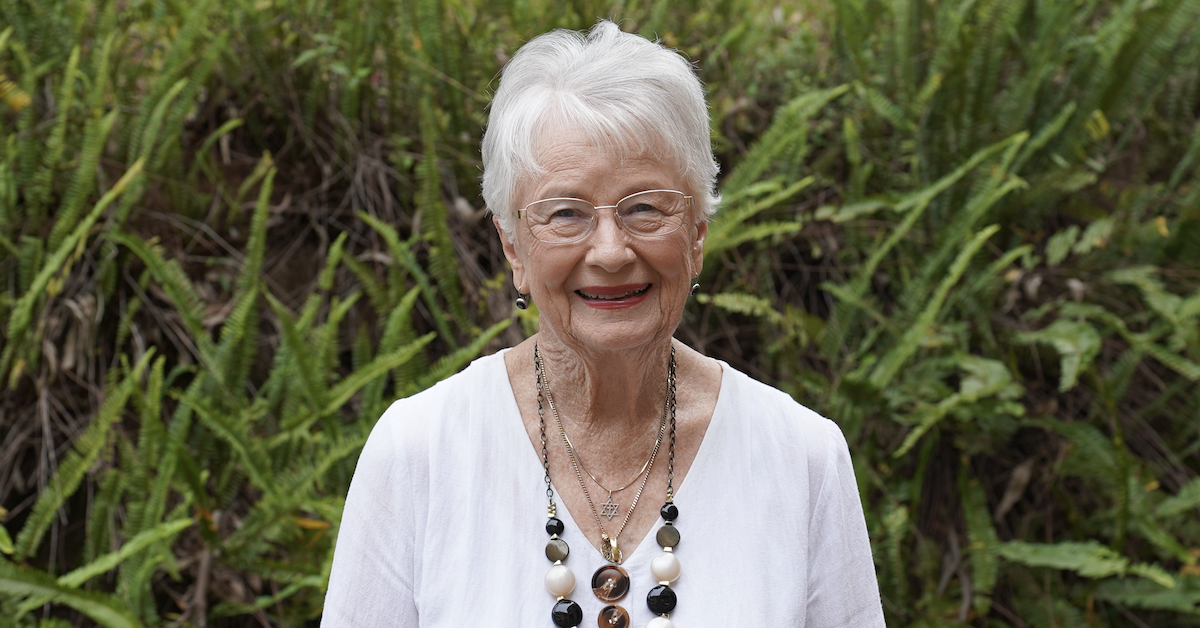
National Volunteer Week is shining a light on community members making a difference across the Redlands, including volunteer hospital chaplain Sandra Hill. Working with Carinity at Redland Hospital, Sandra supports patients and their families with comfort, prayer and compassionate care during challenging times.
“I am part of the chaplaincy team providing pastoral care over the entire hospital, from the birthing ward to end of life,” Sandra explains.
“My role entails visiting patients and extending pastoral care to them and their families. I offer prayer when appropriate and am involved in memorial services and interaction with hospital staff.
“I help patients and sometimes their families navigate fear, grief and uncertainty as I offer a calming presence – especially when patients receive a terminal diagnosis or unexpected complications and trauma.”
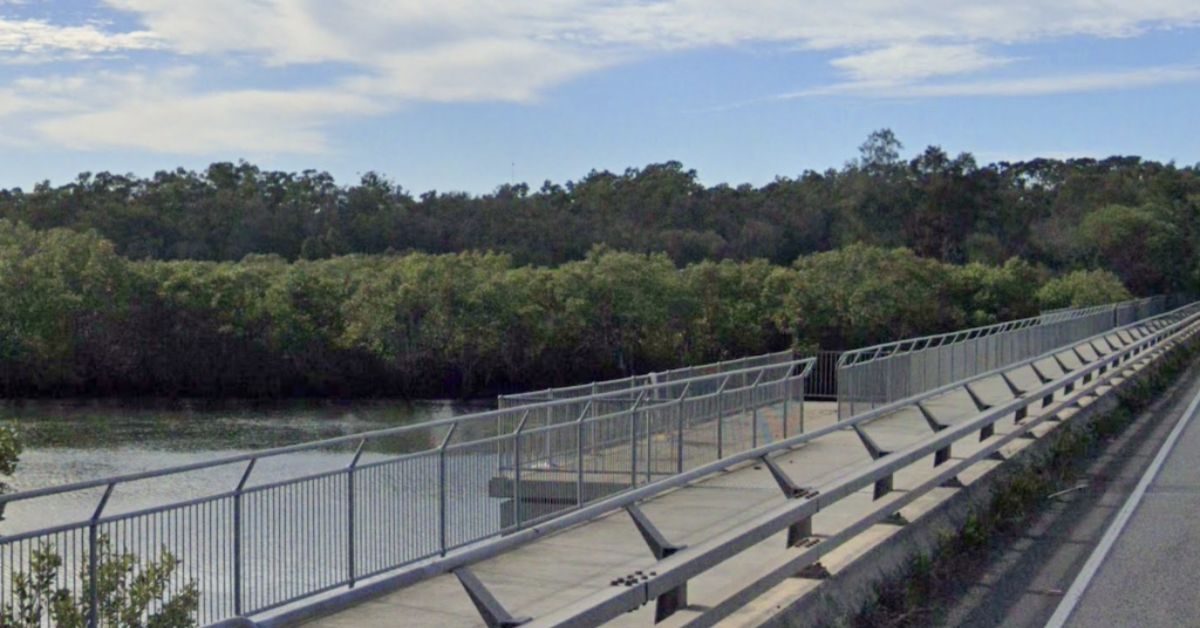
Photo Credit: Google Maps
Sandra says being a Carinity volunteer hospital chaplain is “profoundly gratifying.”
“I enjoy meeting people and the privilege of hearing stories and walking alongside those who are sometimes going through deep valleys in their lives – offering a compassionate and human connection to people during their most vulnerable and isolating moments,” Sandra said.
“Often, pastoral care in a hospital environment brings people together in the best way possible under the worst conditions.
“Being with patients in their last moments and being able to offer prayers or blessings is a sacred and humbling privilege.”
Sandra recommended that people who have spare time should volunteer in their community.
“Volunteering is most rewarding, satisfying and fulfilling. One receives back much more than one gives. It also gives one purpose and meaning in life.”
A $500,000 business case is now underway to examine options for duplicating or replacing the E.G.W. Wood Bridge at Tingalpa Creek on Rickertt Road, a project that residents and commuters across the northern Redlands have been calling for across multiple decades of suburban growth.
The state funding puts a formal investigation into motion for one of the region’s most stubborn traffic pinch points.
A dedicated project team is leading the business case to examine the cost and complexity of both duplicating the existing bridge and upgrading the single-lane sections on the southern Redlands side and the northern Brisbane side of the creek, assessing what a full corridor solution will actually require and cost.
A bridge that was never built for this much traffic
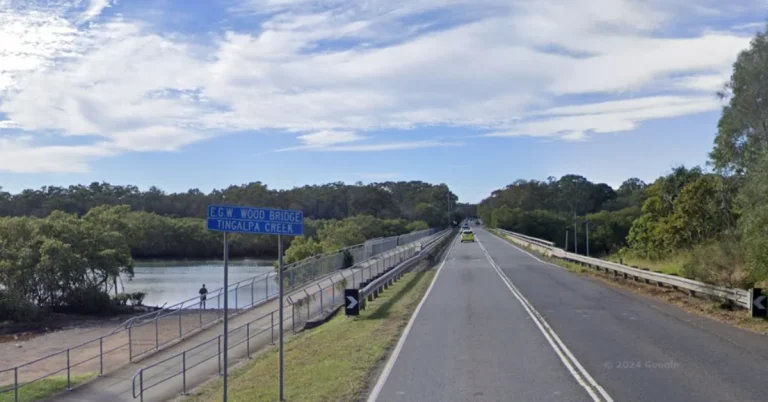
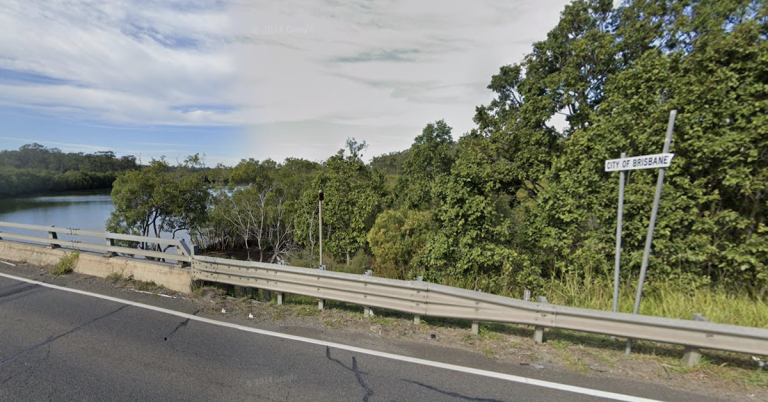
The E.G.W. Wood Bridge carries Rickertt Road across Tingalpa Creek at the boundary between Thorneside in Redland City and Ransome on the Brisbane side. The surrounding corridor has long been a notorious bottleneck for the northern Redlands.
Photo Credit: Google Maps
Commuters describe it as a crucial route out of the northern Redlands that becomes highly congested during peak hours and vulnerable to severe weather.
Prior preliminary corridor assessments have been explored over the years, but the project has not advanced to construction. The state commitment to fund the business case sets the process back into motion with a formal and fundable brief.
Photo Credit: Google Maps
Some community members note that the bridge’s most significant contribution to Capalaba congestion relates specifically to where Rickertt Road meets the broader arterial network at Greencamp Road, rather than the bridge itself in isolation.
Previous analysis shows that duplicating the bridge alone without addressing the Greencamp Road section risks moving the bottleneck rather than eliminating it, which is precisely why the business case scope covers the full corridor from Thorneside to Greencamp Road.
The next steps for planning and design
The scope of the business case will determine the cost-benefit analysis of either replacing or duplicating the existing bridge and upgrading the single-lane sections on both the southern side in Redland City and the northern side in Brisbane. Representative Julie Talty said the purpose is to give key decision-makers a clear picture of the challenges and costs involved before committing to construction.
That is the function of a business case: to build the evidence base for a funding decision and give planners the technical information needed to design a solution that actually works. For a corridor that crosses two local authority boundaries, that complexity is real and the analysis genuinely matters.
The business case is now underway. Construction timelines and costs will follow once the analysis is complete.
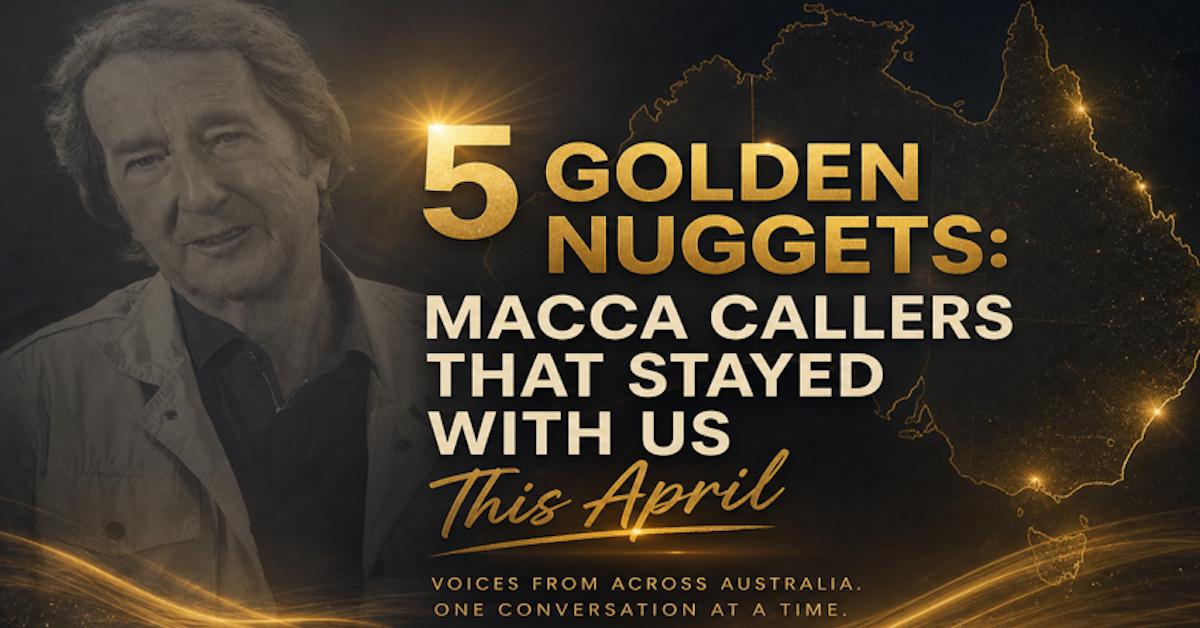
The Sunday morning show provides a fantastic journey around Australia and the world to hear stories and insights from real people that you won’t hear in the mass media.
Here are five nuggets that we’ve dug out from the goldmine that is Macca’s Australia All Over show.
Lawson’s Story
On March 22, we heard the story of a 10 year old boy called Lawson, from the persepctive of a first responder.
The first responder who rang was Mark, a paramedic. He had been called out in an ambulance to a rural property at Mcdouall Peak Station in remote South Australia.
McDouall Peak is known for its arid desert landscape and historic links to explorer John McDouall Stuart. The area is known for its harsh conditions, hardy desert vegetation, and remains part of South Australia’s vast, sparsely populated interior.
Mark related that a 10-year-old boy named Lawson and his dad, a farmer, went out on motorbikes to build some fencing on the station. Lawson’s dad told the boy that he was just going to check some fencing a few kilometres away and then set off on his motorbike down the fenceline.
He didn’t come back.
After a while, Lawson got on his motorbike to go and look for him, but couldn’t find him. So he got his mum to drive over in the car and together they searched and found him. The dad was very badly injured having crashed on his bike at speed.
By the time emergency crews arrived, Lawson had already spent more than an hour talking with medical staff and waiting for help to reach them.
Mark the paramedic related that on arrival on the main road, he encountered young Lawson, who calmly then got in a ute and drove ahead of the ambulance for several kilometres to guide the medics to where his dad was.
Mark was blown away with the maturity and initiative of Lawson. He had seen many unusual situations in his job but this was a major outlier.
It turned out Lawson’s father had broken a leg, hip and collarbone.
Mark said Lawson carried medical gear; helped responders where needed; and stayed composed through the entire rescue until his father was flown out by the RFDS for treatment.
Amazingly, a neighbour who knew young Lawson was listening to Macca, and rang Lawson’s family to tell him about the call on the show.
Soon after, Lawson rang in and told Macca all about what happened first-hand.
“He was going like 90 or 100 or something,” Lawson told Macca, when recounting his father’s crash.
At one point, Macca asked him what he wanted to be when he grew up.
“A helicopter pilot,” Lawson replied.
It sounded less like a dream and more like a plan.
Out on stations like McDouall Peak, childhood looks different.
Distances are measured in hours, not suburbs. Fence lines run for kilometres. If something goes wrong, help is rarely close.
Lawson studies through the Port Augusta School of the Air, originally built around two-way radio lessons for children living in isolated parts of the country. These days, classes are mostly online, but the principle is still the same — students learning from station houses and remote properties hundreds of kilometres apart.
Kids in those areas tend to grow up fast and early. They learn vehicles young, help with fencing and stock work, and get used to solving problems without immediate backup.
Here’s a video about Clair, who tells a story remarkably similar to that of Lawson, giving us a glimpse of the world they inhabit — a long way from city life, and built around a different kind of independence.
Food Labels – Does “Australian Made” have loopholes?
Judy, a soybean farmer from Bundaberg, rang in to the show on the April 5 program.
She had a very interesting story to put people straight about Australian made loopholes.
She said that supermarket food labels can be very misleading.
Soy milk can be sold as “Australian Made” even when the beans are imported — because the bulk of what’s in the carton is Australian water.
That’s enough to be considered “Australian Made” soy milk, she said.
Meanwhile, she’s growing soy locally, rotating it with sugarcane — a system that quietly does its job, improving soil and keeping things sustainable over time.
“It’s a practical system,” she said.
But that work — and those crops — aren’t always what ends up on the shelf.
It’s not just soy milk.
More broadly, Australia’s labelling rules are based on where a product is made or substantially transformed, not always where its key ingredients are grown.
That’s how you end up with:
fruit juice blended locally from imported concentrate
seafood processed here but caught overseas
packaged foods made in Australia using global ingredients.
The label is technically right, but it doesn’t always tell the full story. For producers like Judy, that gap matters.
Are these technical loopholes hurting Australian food producers?
“Six days. 1,200 feral pigs.” The scale most people don’t see
On the April 19 program, Peter called in from Wangaratta, talking about his new feral pig shoot record.
Feral pigs can make an enormous mess of farmer’s crops as well as gardens and any piece of grassland as they can dig up hundreds of metres of land overnight looking for worms and roots.
Peter projected that there could be over a million feral pigs in Australia and that there were signs of them entering the edge of urban areas.
It sounded like Peter was part of a system that pairs landholders with vetted recreational shooters. His previous best was 1,100 shot but this time he covered 1,200.
Scientific evidence ranks pigs among the most intelligent animals—often cited as the fifth smartest species—possessing cognitive abilities that rival dogs and young human toddlers.
Feral pigs have been part of the landscape for a long time. What’s easy to miss is how quickly things escalate once numbers build.
They move in groups, breed fast, and don’t take long to undo a paddock. Crops gone overnight, fences pushed through, water turned.
Control efforts don’t stop — trapping, baiting, culling — but it’s not static.
Six days near Warren. About 1,200 feral pigs. At that point, you’re dealing with something that doesn’t scale down easily.
Corals, Reefs and the Arguments Around What We’re Seeing
Three separate calls across April ended up circling the same uneasy question: what is happening to the reefs?
What made it interesting was that the callers did not entirely agree.
The Scientist Trying to Cool the Water
On the April 5 program, oceanographer Dan Harrison from the National Marine Science Centre spoke about the science side of the problem — and how researchers are now exploring increasingly complex ways to protect coral systems from extreme heat.
One idea he discussed was marine cloud brightening.
In simple terms, increasing low cloud cover over parts of the ocean so more sunlight is reflected away and water temperatures stay lower during dangerous heat periods.
But Harrison was careful not to present the reef as a simple story of decline or rescue.
Cyclones can damage reefs badly — but sometimes also cool overheated water and reduce bleaching pressure. Floods can smother coral systems with runoff, but under different conditions can shift temperatures or nutrients in ways that change outcomes entirely.
The impression left was less about certainty than complexity.
Nothing in reef systems happens in isolation.
Returning to Fiji After Three Decades
Two weeks later on the April 19 show, Kieran Kelly rang from Fiji with something far more personal and emotional.
After returning to diving for the first time in more than 30 years, he said he was stunned by what he saw underwater.
“The reefs were devastated — brown, lifeless.”
What stayed with listeners was the way he described it.
“All the little houses are still there, but there’s no one in them.”
He said the coral structure itself often remained, but the colour, fish life and movement felt diminished from what he remembered decades earlier.
At the same time, he reflected on how Fiji itself had changed — from what he described as a quieter, more remote place into one increasingly built around tourism, boats and constant movement.
“The very thing that attracts people ends up spoiling it.”
It wasn’t framed as activism or politics. More the observations of someone returning to a place after a very long absence and confronting how much both nature and people had changed.
The Ecologist Who Warned Against Generalisations
A week later again, on the April 26 program, another listener pushed back.
James Hawes, a retired CSIRO ecologist from the Sunshine Coast, wrote to Macca after hearing Kieran’s comments.
He argued that broad claims about “dead and dying reefs” risked missing important context.
Hawes said many reefs he had snorkelled recently — including parts of the Great Barrier Reef and reefs around Fiji — appeared healthy and actively growing. He acknowledged localised storm and cyclone damage, but warned against sweeping conclusions drawn from isolated experiences.
“Reports on coral reef damage must have context.”
Why reef conversations have become so complicated
Part of the reason reef discussions now feel so contested is because people are often talking about different parts of the same system.
Some reefs recover after bleaching events. Others don’t. One section can be badly damaged by heat or cyclones while another nearby remains comparatively healthy.
That sat underneath all three calls.
Dan Harrison spoke about intervention research already underway in Australia. Kieran Kelly described reefs in Fiji that felt emptier and less alive than he remembered decades earlier. James Hawes warned against broad conclusions drawn from isolated experiences.
All three perspectives can exist at once.
The Great Barrier Reef stretches across more than 2,000 kilometres, with thousands of reef systems responding differently to temperature, storms, runoff, tourism pressure and crown-of-thorns starfish outbreaks.
At the same time, Australia has become a major centre for reef intervention research.
Marine cloud brightening — the concept Harrison discussed — is now being trialled as researchers investigate whether brighter low cloud cover could temporarily cool reef waters during marine heatwaves.
Other projects include:
heat-tolerant coral breeding
coral seeding and restoration programs
satellite, drone and robotic reef monitoring
crown-of-thorns starfish control efforts
Researchers are also studying how runoff, water quality and tourism pressure interact with warming oceans and cyclone damage over time.
None of it is straightforward.
Some reefs are recovering strongly. Others are under heavy stress. Some intervention ideas remain experimental, while others are already being rolled out more broadly.
Which is why reef conversations now tend to sound less certain than they once did.
The science is still moving.
The war where bullets overtook disease — and what changed after that
On the April 26 program, the conversation drifted from Gallipoli’s cliffs and cemeteries into something less often talked about — what war looked like from the medical side.
In studio, hand surgeon David Dilley spoke about the conditions doctors and medics faced during the First World War, particularly during Gallipoli.
“The planning was appalling,” he said, referring to findings from the Dardanelles Commission.
There were shortages everywhere. Limited supplies. Primitive field conditions. Little understanding of how to deal with the scale of injuries arriving at once.
“They had bandages… a bit of chloroform… and not much else.”
Earlier in the program, callers had been describing the cemeteries at Gallipoli — the closeness of the ridgelines, the tiny distances between trenches, the sheer number of names.
Dilley’s contribution added another layer to that picture.
For centuries before World War I, disease often killed more soldiers than combat itself. Dysentery, typhoid, infected wounds and poor sanitation spread quickly through camps and battlefields long before antibiotics existed.
But by Gallipoli and the Western Front, warfare itself had changed. Machine guns, artillery and industrial-scale combat produced catastrophic injuries on a scale medicine had never really faced before.
“It was the first war where more died from enemy action than disease,” Dilley said.
The conversation moved easily between medicine, history and memory — less like a lecture and more like someone trying to explain how one era forced the next one to change.
The shift didn’t happen all at once, but the pressure to improve was constant.
In earlier wars, many soldiers didn’t die from wounds themselves, but from what followed — infection, poor sanitation, limited understanding of how to treat trauma once it set in. Dysentery, typhoid and septic wounds were often more lethal than the battlefield.
By the time of Gallipoli, that balance had started to change, even if the systems around it hadn’t caught up.
Since then, each conflict has pushed medicine further.
Today, soldiers carry trauma kits designed to deal with the first and most critical problem — bleeding. Tourniquets, clotting agents and airway tools are standard, with the aim of stabilising someone long enough to get them to surgical care.
From there, evacuation is faster, and treatment is more specialised, with trauma teams trained specifically for those injuries.
None of that removes the brutality of war. But it does mean more people survive the part they wouldn’t have before.
One conversation at a time
Five calls.
Different states, different lives, different subjects.
A 10-year-old on a remote cattle station. A soybean farmer in Bundaberg. Pig shooters near Warren. Scientists arguing over reefs. A surgeon reframing Gallipoli.
None of them sounded like they were trying to make a point bigger than it was.
That’s probably why the calls stayed with people after the radio switched off.
Capalaba residents will see a wider local connection to a shellfish reef restoration project using recycled shells and oyster baskets at selected sites across the bay.
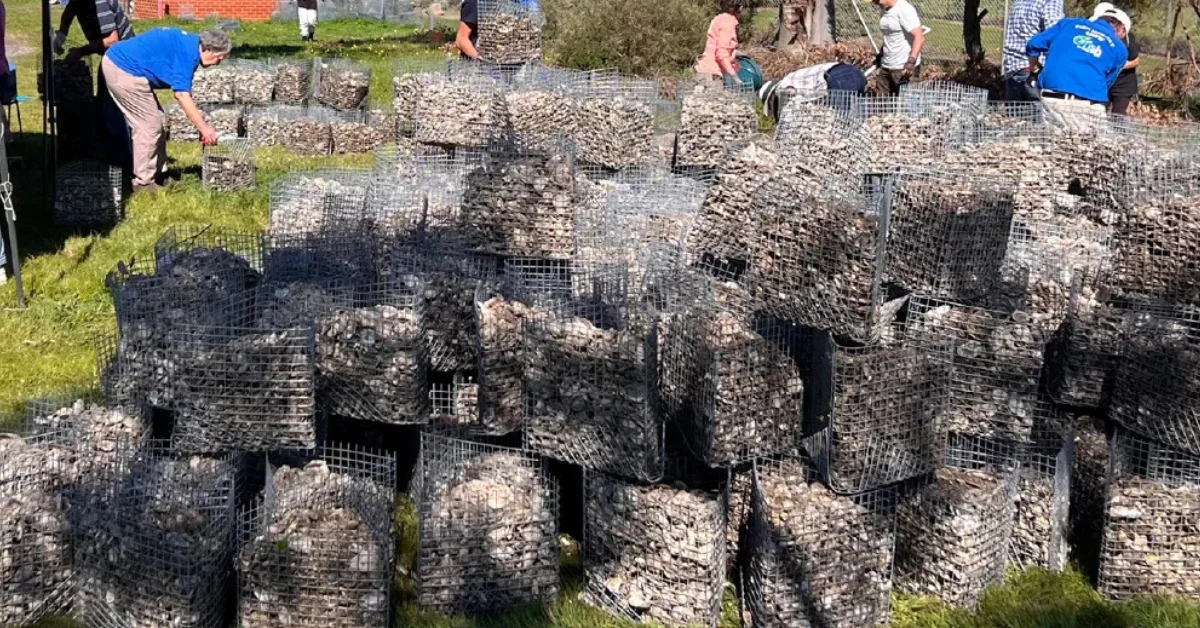
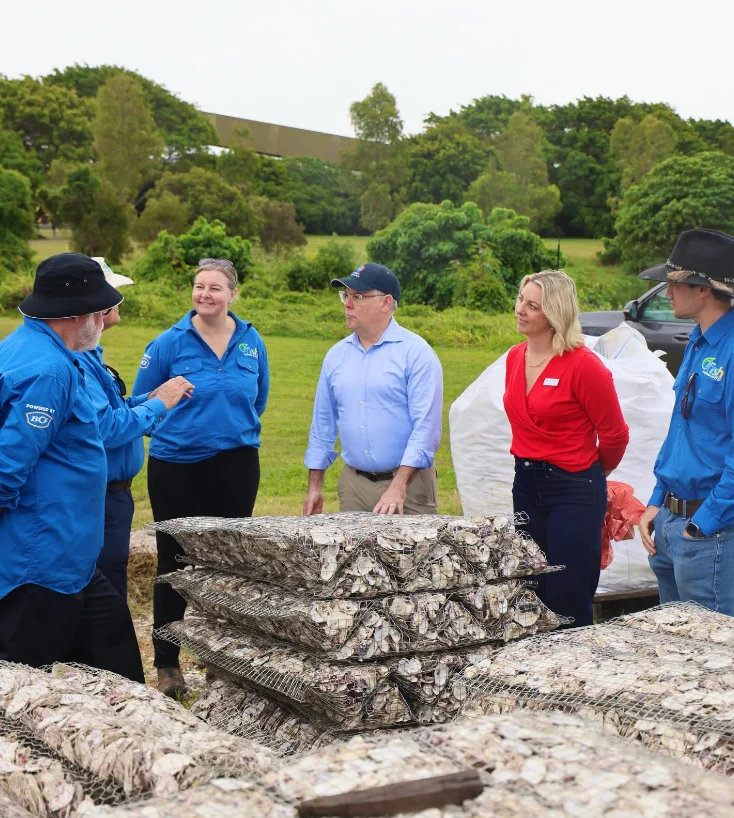
Shellfish reefs in Moreton Bay are set to be restored through a $1.5 million project that will use recycled shell material to support new oyster habitat. The project will support OzFish in creating and deploying 10,000 Robust Oyster Baskets over two years at three confirmed locations: the Port of Brisbane, Peel Island and Fisher’s Lease.
The work is aimed at restoring shellfish reefs that have been lost through historical harvesting, coastal development, disease and declining water quality.
The oyster baskets will be made using recycled shell material collected from seafood businesses and restaurants across Brisbane. The shells will be cleaned and cured to meet biosecurity requirements before volunteers help turn them into Robust Oyster Baskets.
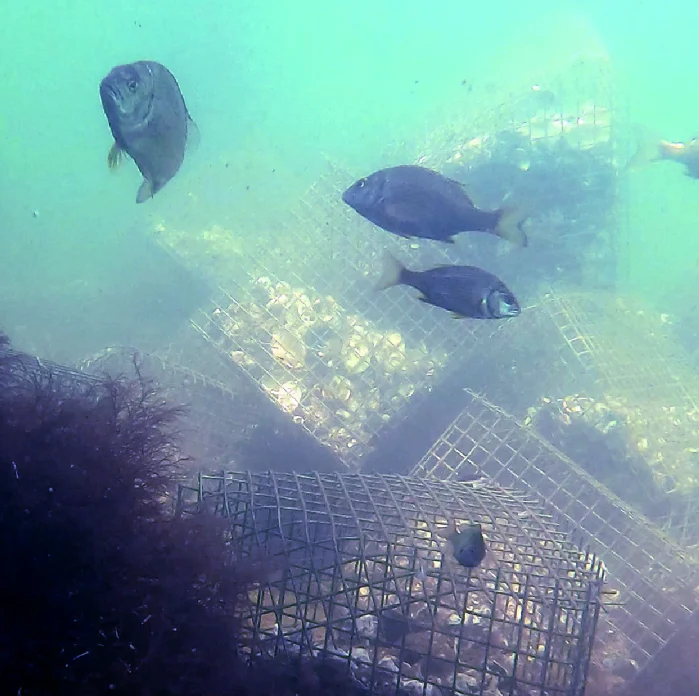
A single basket can provide shelter for more than 10,000 baby oysters. Once deployed, the baskets are intended to help rebuild shellfish reef habitat and support marine life.
The project also gives recycled shells a practical role in the bay’s restoration. Material collected from the seafood sector will be used as part of a process designed to help rebuild reef habitat rather than relying only on new materials.
Shellfish reefs provide important habitat for fish and crustaceans. Their restoration is expected to support biodiversity by creating reef structures that can be used by marine life across selected parts of Moreton Bay.
Oysters also help filter water by trapping microscopic algae and other particles. One oyster can filter more than 100 litres of water a day, making shellfish reefs an important part of Moreton Bay’s marine environment.
The work is expected to support marine habitat, water quality, biodiversity, cultural values and community engagement as the oyster baskets are deployed.
Emergency services were called to a quarry on West Mount Cotton Road in Sheldon at about 2:20 pm on Monday, 20 April after reports a worker had suffered serious injuries in a forklift-related incident.
Paramedics attended the scene and treated the man for life-threatening injuries. Despite treatment efforts, he was declared dead at the scene.
The worker is believed to have been crushed by a forklift while on site, with the circumstances surrounding the incident yet to be established.
The fatal incident at the Sheldon quarry is now under investigation by Resources Safety and Health Queensland, which has confirmed the matter remains an active inquiry.
Authorities have indicated that investigations are continuing, with no further details released at this stage. The focus remains on determining how the incident occurred.
Second Workplace Fatality In Recent Days
The Sheldon quarry death is the second fatal workplace incident in the Greater Brisbane area within a week. A separate incident in Tingalpa days earlier resulted in the death of a worker who was reportedly crushed between two trucks at a job site.
Both incidents are now subject to investigation, with inquiries continuing into the circumstances surrounding each case.
At this stage, only limited information has been made available about the events leading up to the Sheldon quarry fatality. Investigations remain ongoing as authorities continue to examine the incident.
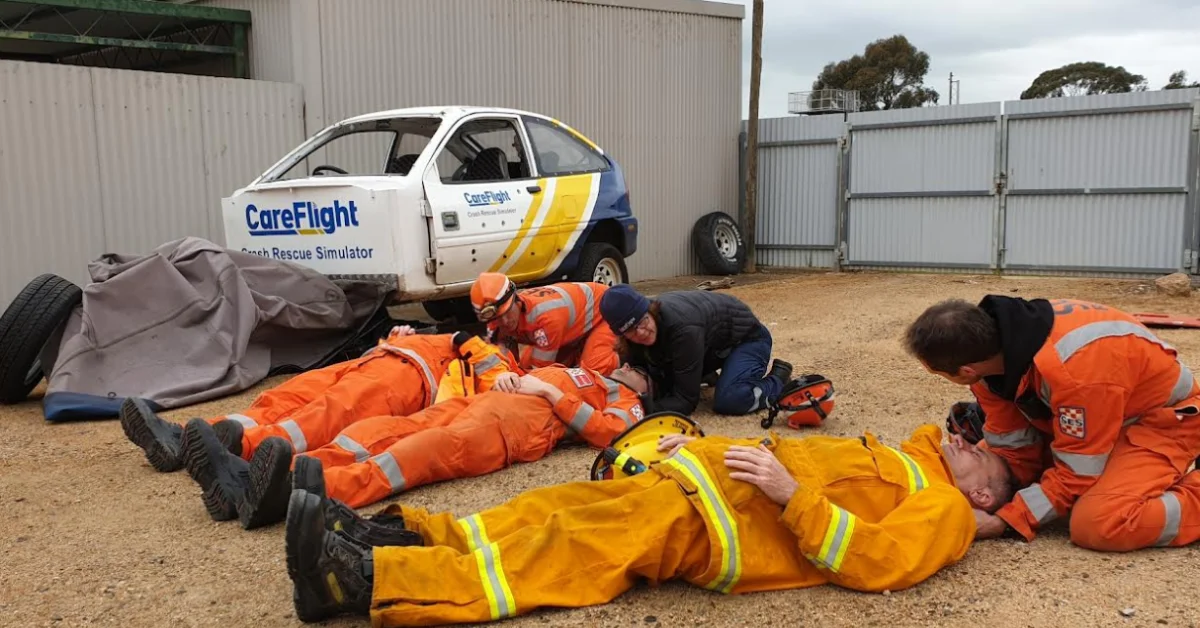
Free trauma care workshops are set to take place in Capalaba, offering local community members and first responders practical training to manage medical emergencies before professional help arrives.
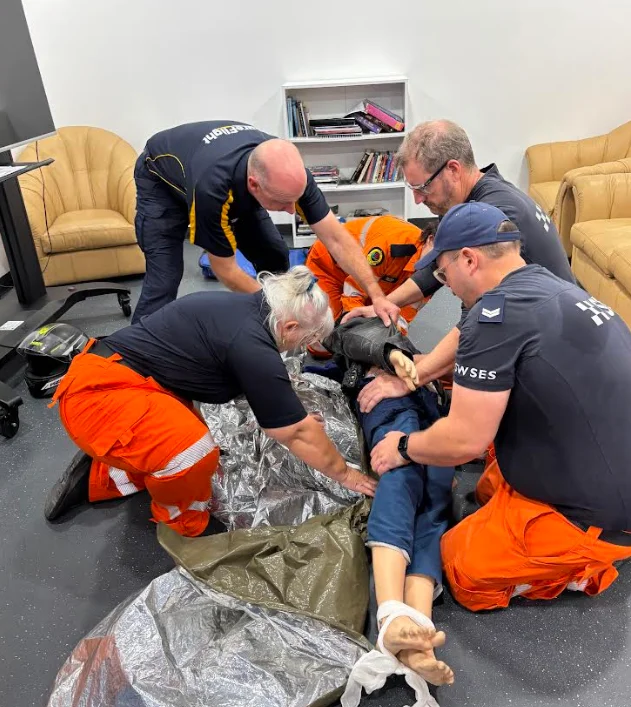
CareFlight will deliver a series of Trauma Care Workshops in Capalaba as part of its national training program aimed at strengthening community response during medical emergencies.
The two-day workshops will be held at the Redland Community Centre on Saturday 18 April and Sunday 19 April 2026, where participants will take part in scenario-based training designed to reflect real-world situations. The program forms part of a broader effort to build community resilience by improving the readiness of those most likely to be first on scene.
Photo Credit: Supplied
Practical Skills For Real Emergencies
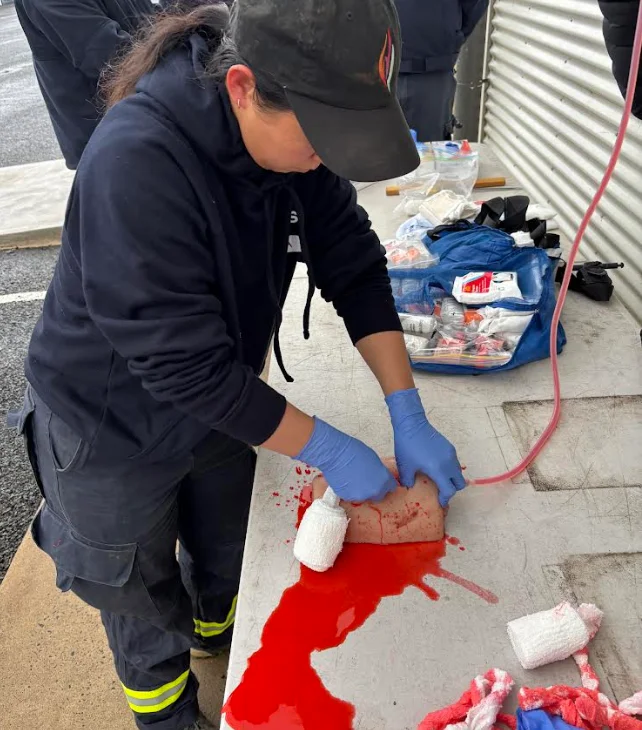
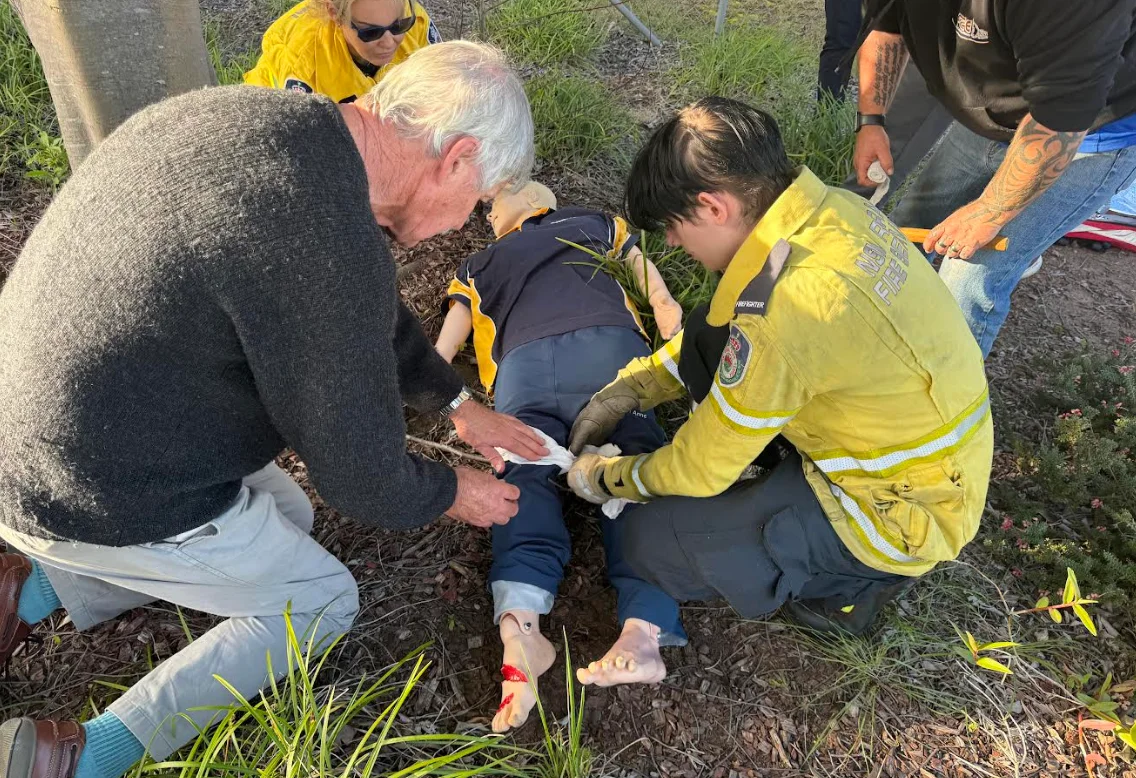
The Capalaba sessions focus on hands-on learning using lifelike medical mannequins and simulated accident environments. Participants will be guided through key emergency response skills, including patient triage, managing complex injuries, and handing over care to medical professionals.
Training is delivered by experienced doctors, paramedics and nurses, with sessions designed to strengthen communication, teamwork and situational awareness during high-pressure situations. These skills are central to effective response in the early stages of an emergency, when immediate action can influence outcomes.
Photo Credit: Supplied
Supporting Early Response In Capalaba Communities
Emergencies can place pressure on local health services, particularly when professional assistance is not immediately available. In many situations, community members are first on scene, making early intervention an important factor in patient care.
The Capalaba workshops are structured to support this by equipping participants with the knowledge and practical skills needed to respond during those initial moments. By reinforcing the role of community responders, the program contributes to improving the chain of care before patients reach formal medical services.
Photo Credit: Supplied
National Program Continuing In 2026
Since 2011, CareFlight has delivered thousands of workshops across Australia, targeting both community members and first responders. The program continues in 2026, with sessions offered at no cost to participants.
The Capalaba workshops are supported through funding and donations, enabling the delivery of accessible training designed to help participants build practical emergency response skills.
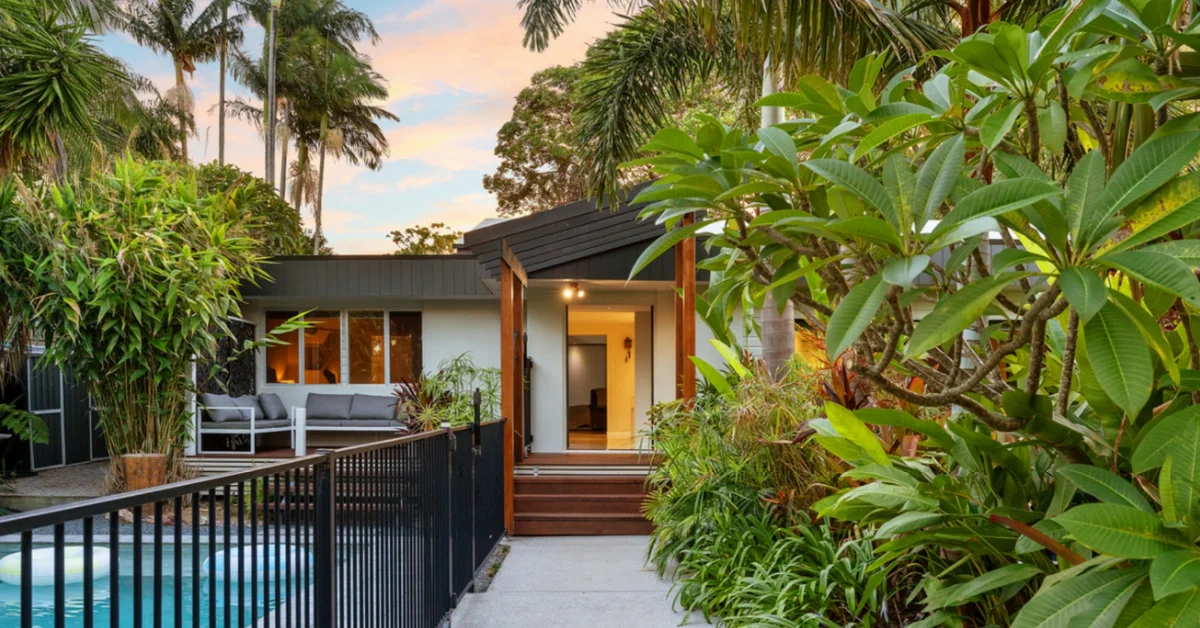
A four-bedroom home at 4 Stuart Street, Capalaba, featuring a 14,000-litre aquarium converted from a former pool beneath the living area, is set to go to auction.
The Capalaba home has been owned by the same family for 17 years and is now being offered to the market as they prepare to relocate inland.
Photo Credit: LJ Hooker
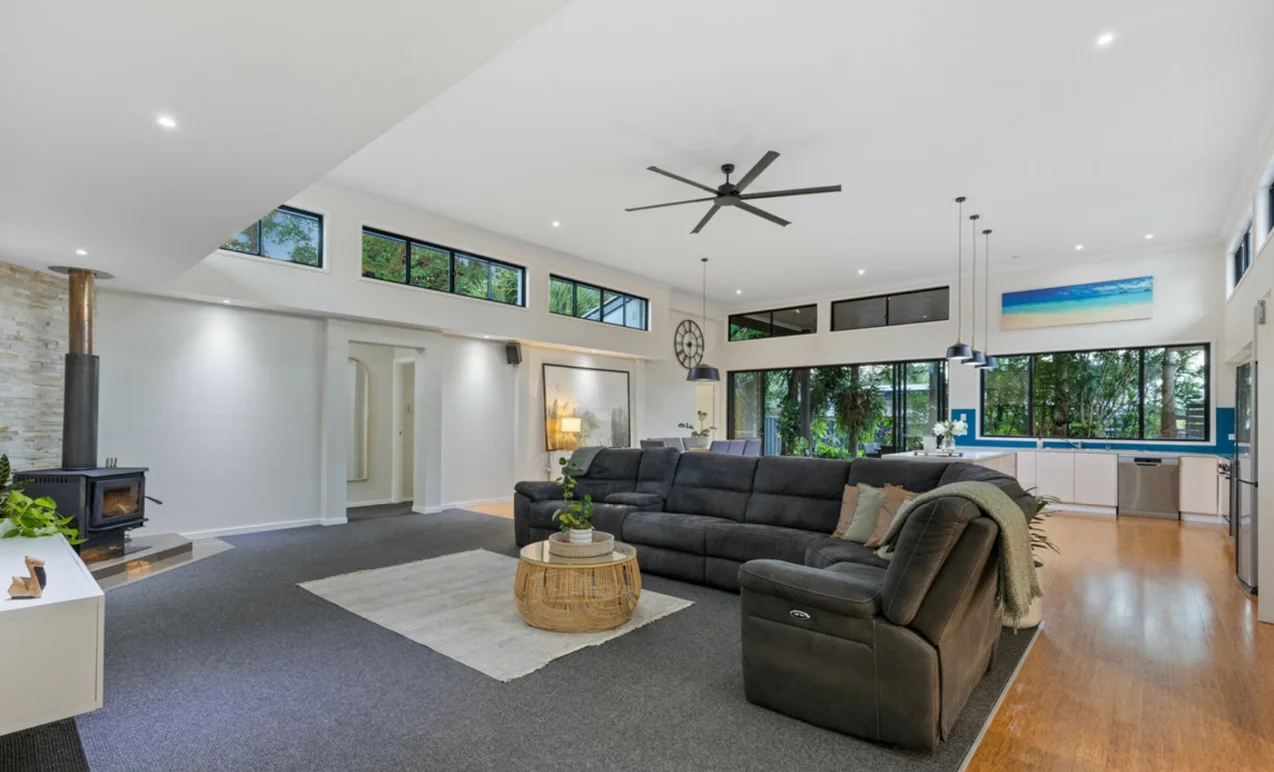
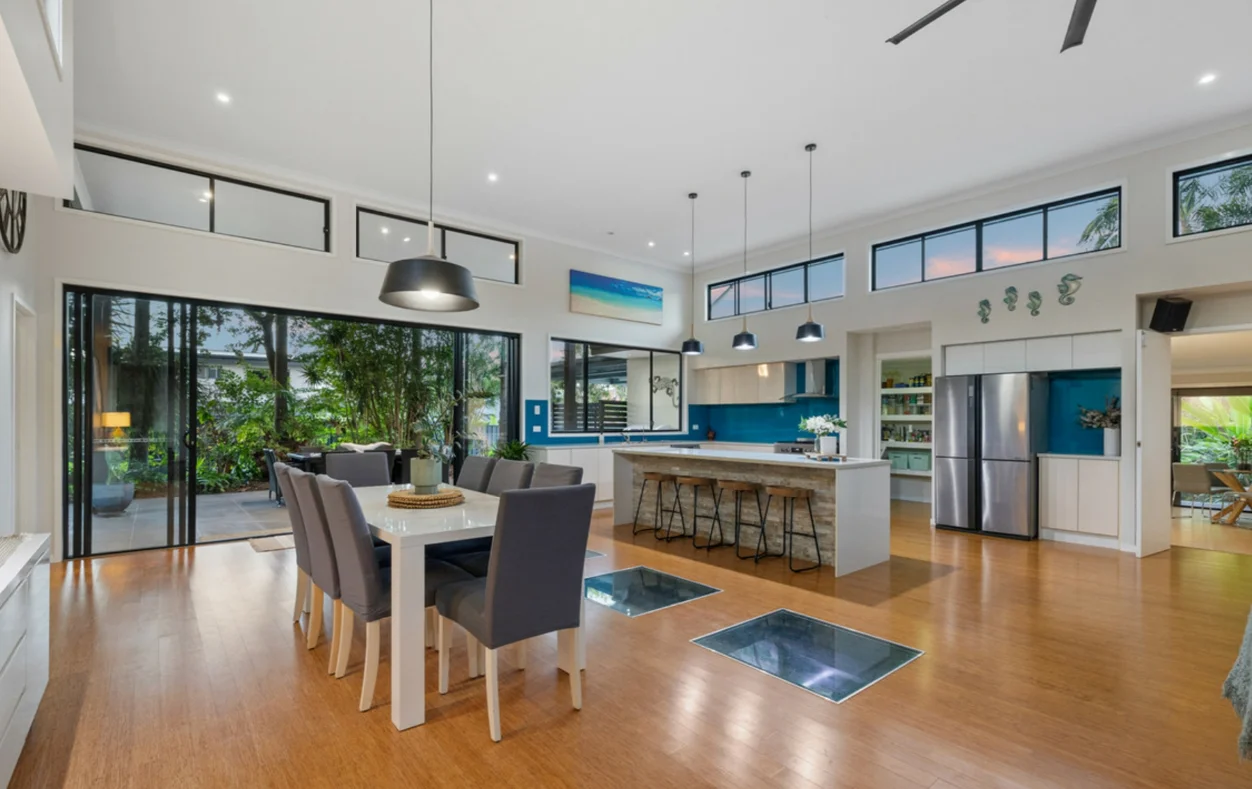
Set on a 1,720 square metre block at the end of a cul-de-sac, the residence includes four bedrooms and three bathrooms. Interior features include high ceilings, a fireplace and a kitchen fitted with a walk-in pantry.
Photo Credit: LJ Hooker
Aquarium Built From Existing Pool
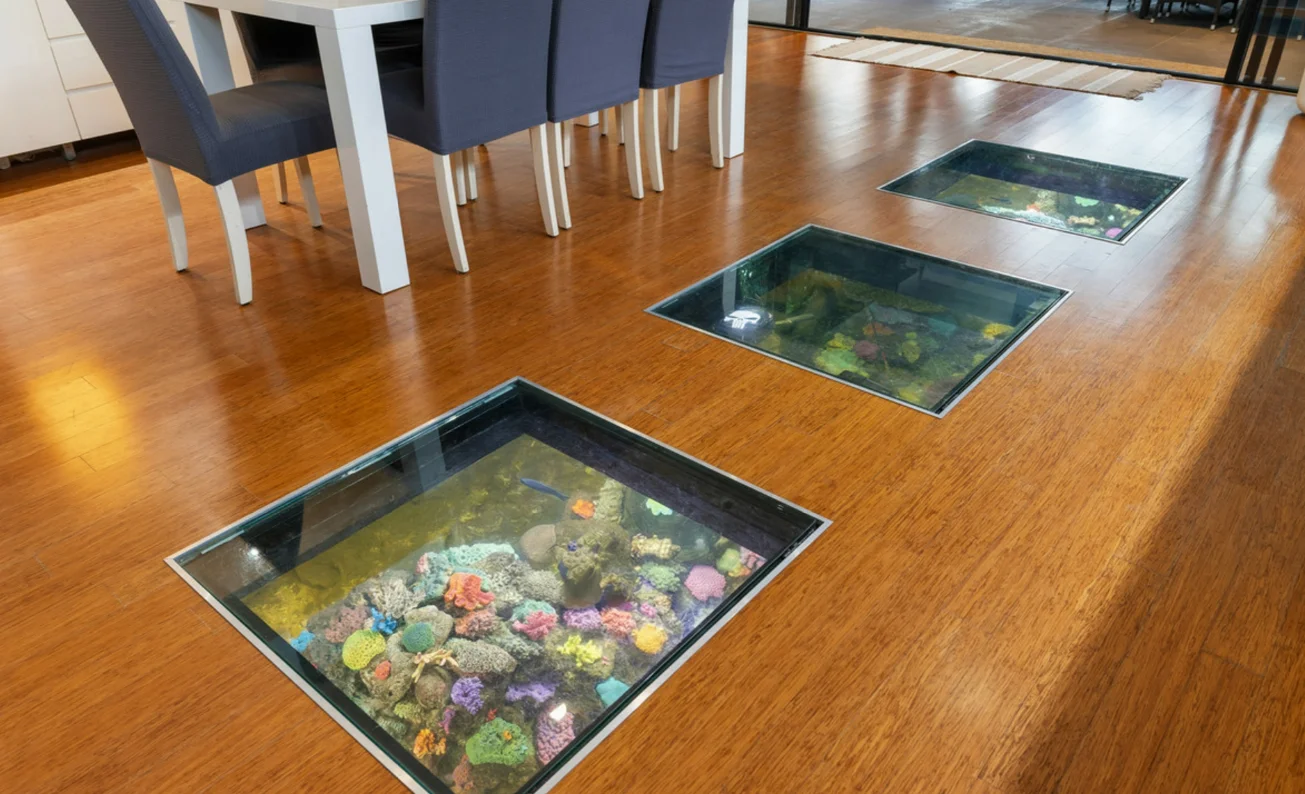
A central feature of the Capalaba property is the 14,000-litre aquarium positioned beneath the main living area. The structure was developed after the existing pool on the site was refurbished rather than built over.
The aquarium can be viewed from windows positioned near the kitchen, as well as from a lower viewing area within the home. The layout also allows access for swimming or snorkelling within the tank.
Over the years, the aquarium has housed various marine species, including a wobbegong shark, stingray, lionfish and stonefish. The feature has been described as Brisbane’s largest residential aquarium.
Photo Credit: LJ Hooker
Additional Features Of The Capalaba Home
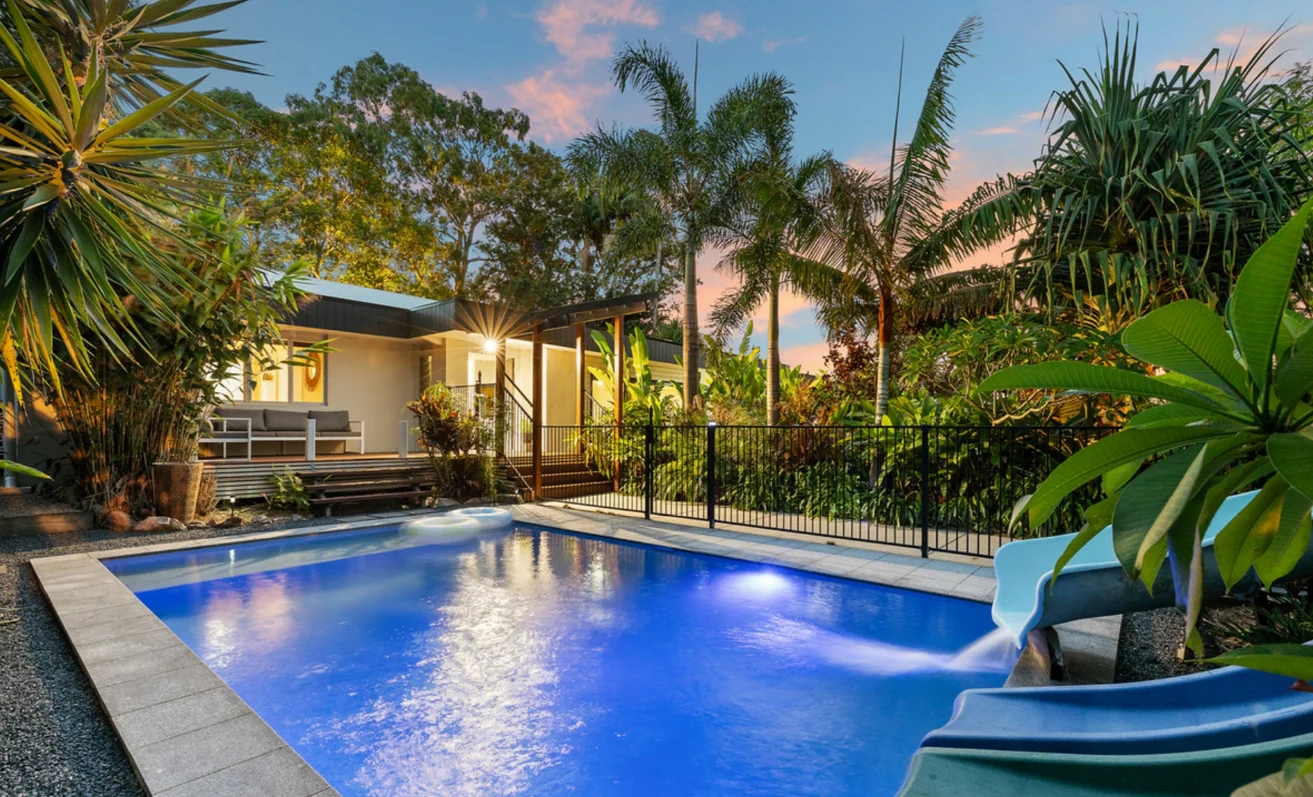
Beyond the aquarium, the property includes a separate in-ground pool with a slide and an expansive outdoor area. A three-bay shed with three-phase power is also located on the site.
Side access provides space for vehicles, boats, caravans or trailers, while the surrounding garden incorporates plantings inspired by tropical North Queensland.
Photo Credit: LJ Hooker
Auction Scheduled For 21 March
Recent touch-ups have been completed ahead of the sale. The aquarium no longer houses the original fish, though new wildlife has been installed and maintenance information is available for the next owner.
The property is scheduled for auction on-site on Saturday, 21 March at 1:00 p.m., with inspections planned earlier the same day. The sale is being handled by LJ Hooker agents Jimmy Regan and Shane Kelsey.
A 35-year-old man has been charged after an alleged attempted break-in at a home in Capalaba, before police located him in Cleveland following a search across bayside suburbs.
On Sunday, 15 March 2026, officers attended an address on Buenavista Avenue in Thornlands about 3.50 p.m. in relation to a separate incident. The man they intended to speak with had already left.
Later that afternoon, police carried out a search across surrounding suburbs, with aerial support reported. The 35-year-old man was located on Middle Street in Cleveland about 5.20 p.m. and taken into custody.
Charges Laid Over Capalaba Incident
The man, identified as being from Dunwich on North Stradbroke Island, has been charged in relation to the Capalaba incident. The charges include attempted enter dwelling with intent while armed in company, wilful damage, and stealing.
He has also been charged with contravention of a domestic violence order in connection with the Thornlands incident on 15 March 2026.
The case was mentioned in Cleveland Magistrates Court on Monday, 16 March 2026. No plea was entered during the brief mention and no application for bail was made.
The matter has been adjourned and is scheduled to return to court on 14 April 2026.
Disclosure Requests Raised
During the court mention, the defence sought disclosure material including CCTV footage and the complainant’s statement.
The prosecutor indicated that a complainant statement was not then on file and inquiries would be made to determine whether one had been taken or was yet to be provided.
Something is shifting in how Queensland families think about schooling — and the numbers are hard to ignore. Enrolments at Steiner and Montessori schools across the state have jumped 12.8 per cent over the past five years, climbing from around 1,804 students in 2021 to roughly 2,045 in 2025, according to an Education Department spokesperson.
Among the new schools contributing to that growth is South East Brisbane Steiner School (SEBSS) in Thorneside, which is one of three Steiner schools to have opened in Queensland in recent years, alongside the Village School Gold Coast and Cairns Hinterland Steiner School.
For families in the Capalaba and Redlands area, SEBSS offers a local option for those seeking an alternative to mainstream schooling.
What Does a Steiner Education Actually Look Like?
Photo credit: Facebook/South-East Brisbane Steiner School Initiative
Steiner education takes a markedly different approach to learning. At SEBSS, the curriculum weaves together English, mathematics, humanities, sciences and the arts into integrated, project-based learning rather than treating each subject in isolation. The school’s stated mission is to provide children with a holistic education that balances academic, artistic and real-world learning, with a strong emphasis on nurturing what it calls an “intrinsic love of learning.”
Practical and artistic activities are not elective extras here. They are central to the program. Subjects like woodwork, knitting, music and languages are taught imaginatively alongside conventional academic content. Natural materials are used extensively, and children are encouraged to develop an appreciation of the natural world as part of their broader learning.
Photo credit: sebsteinerschool.org
Diverse learners, those who don’t always find success in traditional classroom settings, are a particular focus. The school’s philosophy holds that all children deserve increased opportunities to experience achievement, including those who are not always successful in traditional classrooms.
Why Families Are Looking Elsewhere
The statewide trend reflects a growing interest in alternative schooling that, according to industry observers, has been building since at least 2019. Industry voices have pointed to what some are calling a “crisis in education,” driven by growing parental frustration with increasing rigidity in traditional school settings. Many families have expressed frustration that the mainstream curriculum lacks the flexibility to meet the individual needs of their children.
Experts have offered an additional lens on the trend, suggesting that broader societal anxieties may also be at play. So-called “negative social moods,” linked to distrust of mainstream institutions and concerns about ideological tensions playing out in schools, are thought to be pushing parents toward environments they perceive as more values-driven and emotionally safe for their children.
That sentiment resonates locally. Capalaba State College has run its own Montessori program since 2019, with school leadership acknowledging that while mainstream schools do important work, they do not meet every child’s needs, and that genuine family choice in education matters.
A Shift That Looks Set to Continue
Education Minister John-Paul Langbroek has said the state believes parents are best placed to make decisions about their children’s schooling, and remains committed to creating inclusive school environments across Queensland.
For families in the Redlands and south-east Brisbane corridor, SEBSS offers a local alternative to mainstream schooling. As one school year rolls into the next, it seems more and more parents are deciding that for their child, the mainstream path simply isn’t the right fit, and they’re not waiting around to find out what the alternative might offer.
Featured image: South East Brisbane Steiner School (Photo credit: Google Street View)
When Capalaba mother-of-two Jasmine Papalii lost her brother Jean-René Lebet suddenly in 2024, she found unexpected comfort in knowing his decision to donate his organs and tissues gave multiple strangers a second chance at life.
Jean-René Lebet was 38 years old when he suffered a ruptured brain aneurysm and was found unconscious at home. Despite undergoing brain surgery, he passed away four days later. In the aftermath of his death, his family learned that he had been able to donate his heart, parts of his pancreas and liver, skin tissue and eye tissue, helping an extraordinary number of people through a single act of generosity.
For Jasmine, the knowledge that her brother’s heart continues to beat inside someone else carries a particular resonance. Her eldest daughter had open-heart surgery at just three months old for a heart condition, and the connection between her brother’s heart donation and her daughter’s own experience made his gift feel deeply personal. She described the realisation as bringing the family tremendous joy in the middle of profound grief, and reflected that there are people alive today who would not be without him.
A Brother Who Gave Everything
By Jasmine’s account, Jean-René was the kind of person who would have given anything to help someone in need. She remembered him as warm, sarcastic, fiercely funny and endlessly generous, the kind of uncle her eldest daughter adored and called “funny uncle.” The pair exchanged TikToks constantly, and his humour and intelligence left a mark on everyone around him.
When Jasmine discovered she was pregnant shortly before his death, Jean-René was the first person she told. After he passed away, she named her second daughter Jean as a middle name in his honour, a quiet and lasting tribute to the bond they shared. As the only two siblings in their family, the closeness between Jasmine and her brother made his loss all the more profound, and his legacy through organ donation all the more meaningful.
Jasmine described her brother’s ability to help so many people as something he himself would have found extraordinary. She reflected that he would have been overjoyed to know the reach of his generosity, because giving to others was simply who he was.
Organ Donation Rates and a Push for Change
Jean-René’s story comes at a moment when organ donation is drawing renewed attention across Queensland and nationally. New data released by DonateLife in early 2026 shows that only around 35 per cent of eligible Australians are currently registered organ donors, with new registrations down 15 per cent on the previous year. Queensland’s registration rate sits at just 30 per cent of eligible residents.
By contrast, South Australia, the only state where residents can still register as organ donors when applying for a driver’s licence, has a registration rate of 74 per cent among those aged 16 and over. The gap between South Australia and every other state has prompted a broader conversation about whether reintroducing the option on driver’s licence applications could help close the shortfall nationally.
Queensland health authorities are currently in discussions about whether to reinstate organ donor registration on driver’s licence applications, a practice that was once common across multiple states before electronic registers were introduced. DonateLife has noted that a consent rate of 60 per cent, compared to the current 53 per cent, would have delivered an additional 200 life-saving transplants in 2025 alone.
Jasmine herself described the reinstatement of driver’s licence registration as something she considers vitally important, a view shaped directly by her family’s experience of what organ donation can mean for both the donor’s family and the lives saved.
Why This Matters to the Capalaba Community
For families across Capalaba and the broader Redlands area, Jean-René’s story is a reminder that organ donation is not a distant or abstract concept. It is a decision that ordinary people make, or do not make, and one that has consequences that ripple out far beyond the individual. Every registered donor represents potential for multiple lives to be saved or transformed, and every family that navigates sudden loss, as Jasmine’s did, faces the same crossroads.
With Queensland’s registration rate among the lowest in the country, there is real scope for local communities to make a difference simply by registering. Talking with family members about donation wishes is equally important. Even a registered donor’s decision can be overturned by family members who are unaware of their loved one’s intentions, which is why the conversation matters as much as the registration itself.
Capalaba residents can register as organ and tissue donors at donatelife.gov.au. Registration takes only a few minutes and can be updated or changed at any time. Sharing your decision with family members ensures your wishes are known and respected.